

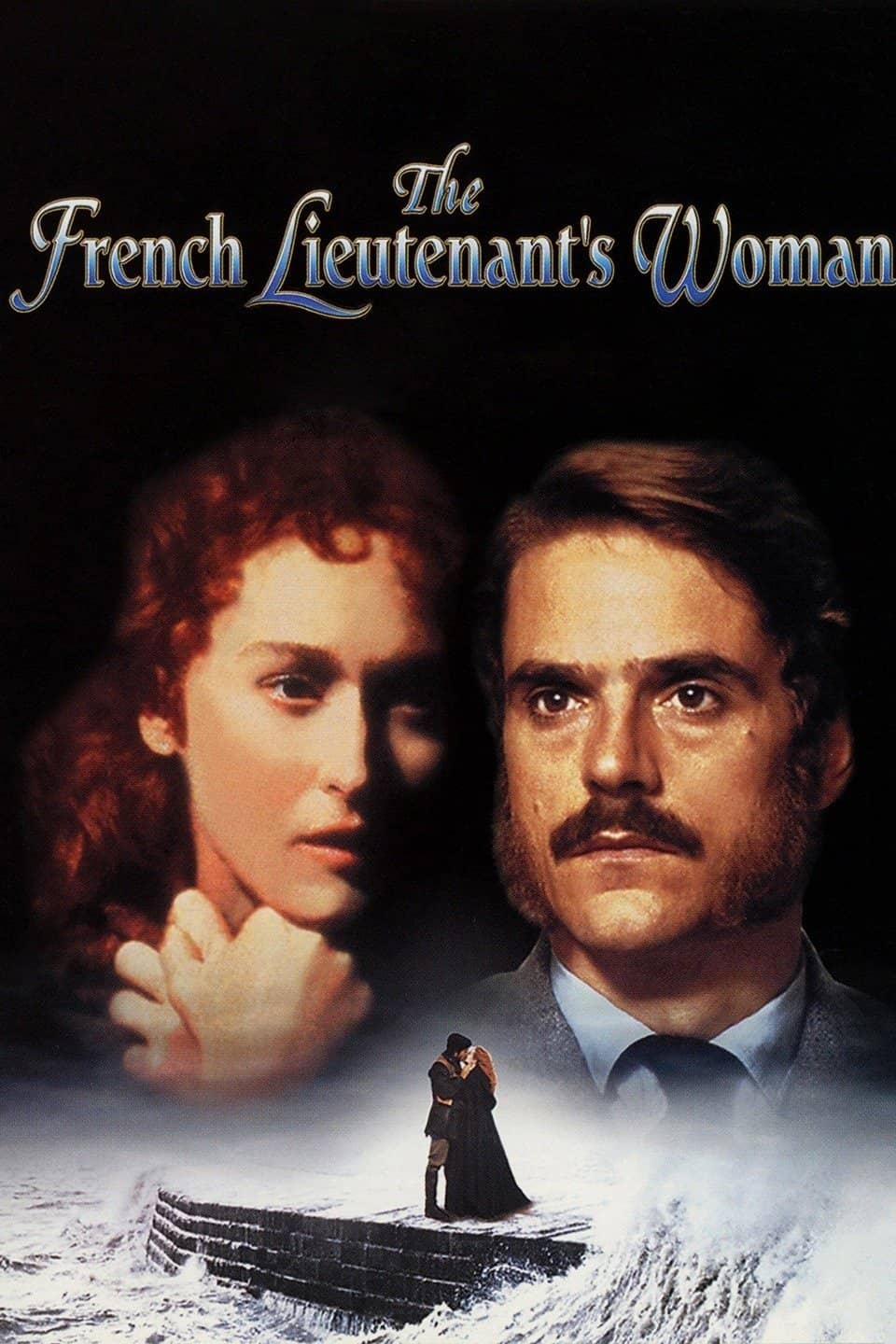
The French Lieutenant's Woman
Presented as a story within a story, Anna plays a leading actress opposite Mike in a period drama that chronicles the forbidden romance between their on-screen characters, Sarah and Charles. Both performers are bound by serious real-life relationships, yet the script's ardor sparks an off-camera love affair. As they strive to maintain their poise and professionalism, Anna and Mike contend with the consequences of their infidelity.
Director(s)
Karel Reisz
Paul Tivers
Richard Hoult
Peter Kohn
Mathew Simmons
Where to watch

Apple TV Store
Rent

Amazon Video
Rent
Apple TV Store
Buy
Cast & Crew
























Details

Reviews
CinemaSerf
Usually if there are two separate timelines featured in a story, the director tries to ensure that we cannot readily distinguish between one that might be true and one that might be artificial. It's the complete opposite that really works well here as we mingle the story of an 18th century woman living within the constraints of high Victorian society with a more profligate 1970s one. To fit out the earlier scenario, we meet the shy "Sarah" (Meryl Streep) who is rebounding from a liaison with the titular French lieutenant by having an even less suitable assignation with the altogether more decent "Charles" (Jeremy Irons). The modern day scenario has the same two actors playing "Anna" and "Mike", only both are married to others and they are the "real" life actors portraying these other characters in a film of their lives. Now we get to experience the story of both relationships undulating in parallel. It sounds way more complex than it actually is as a combination of Harold Pinter's adaptation of the original novel and the acting from both Streep and Irons manages to convince us that though we are seeing two separate stories play out before us, they have remarkable similarities in the life imitating art sort of space. I preferred the older scenario, but only because the supporting cast of characters could make much more of their rigid, sexist and downright hypocritical environment and Streep works well with her frankly quite insipid "Sarah". The more modern day story tended more to soap for my liking: their behaviour more duplicitous, selfish and that led to a disappointing degree of predicability. More relatable, if you like. I'm not really a fan of Irons, but here he works well across both iterations and gels remarkably well with a Streep who seems to morph from both of her persona effortlessly and convincingly. The pace can dawdle at times, and maybe Karel Reisz could have just tightened things up a little at the rather plodding start, but the production design across both storylines looks good and it's once the tram lines are laid down and the two become entrenched, it becomes quite a compelling story of love, lust, betrayal and lies.
All Trailers
![The French Lieutenant's Woman (1981) Original Trailer [FHD]](https://i.ytimg.com/vi/y4vXZPATrOA/maxresdefault.jpg)
Media engagement

The French Lieutenant's Woman FAQs
The directors of The French Lieutenant's Woman are Karel Reisz, Paul Tivers, Richard Hoult, Peter Kohn, and Mathew Simmons.
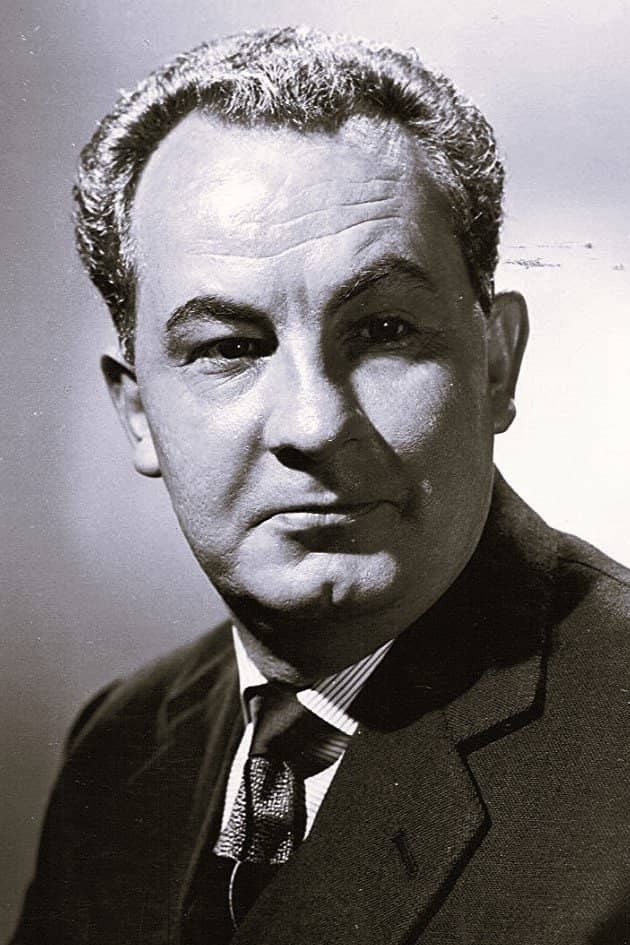
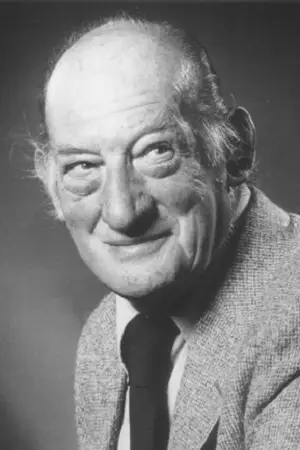
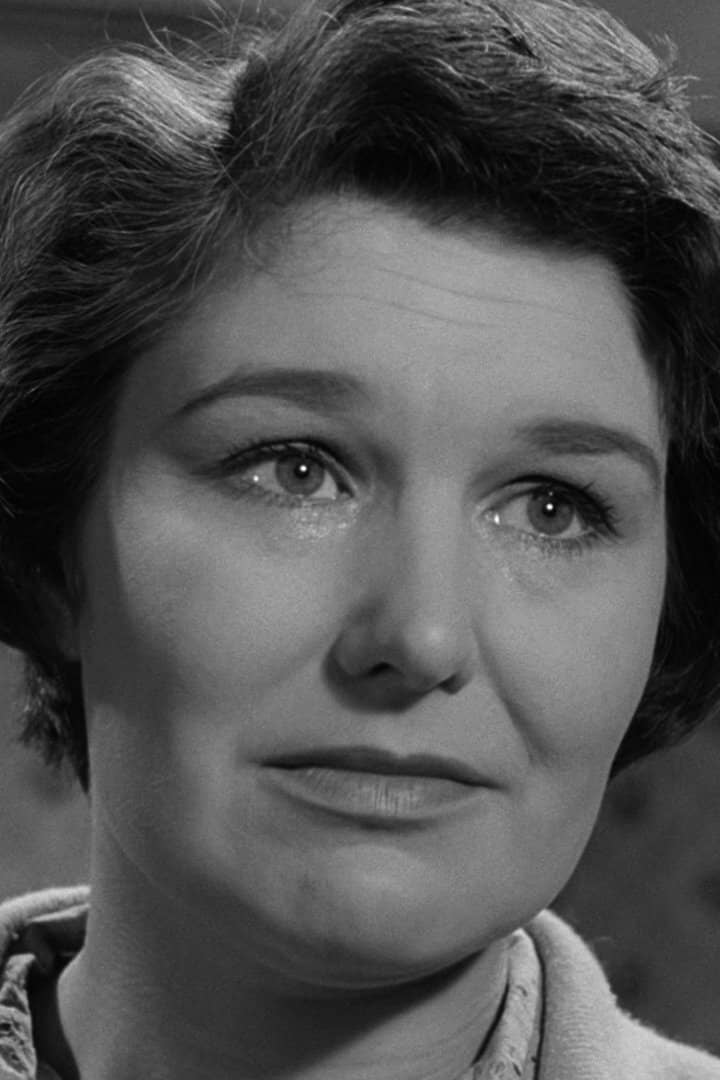
The cast of The French Lieutenant's Woman includes Leo McKern as Dr. Grogan, Alun Armstrong as Grimes, Cecily Hobbs as Betty Anne, Meryl Streep as Sarah / Anna, Jeremy Irons as Charles Henry Smithson / Mike, David Warner as Murphy, Colin Jeavons as Vicar, Richard Griffiths as Sir Tom, Penelope Wilton as Sonia, Michael Elwyn as Montague, Lynsey Baxter as Ernestina, Doreen Mantle as Lady on the Train, and more.
The duration of The French Lieutenant's Woman is 2h 4 mins.
Yes. You can watch the The French Lieutenant's Woman trailer on this Fanbiz page on Fanziz.
You can watch The French Lieutenant's Woman on Apple TV Store (Rent), Amazon Video (Rent), and Apple TV Store (Buy). Check this Fanbiz page for the latest platforms.
The French Lieutenant's Woman was released on 28 Aug 1981.
The French Lieutenant's Woman is listed under Drama, Romance, and History on Fanbiz.
The French Lieutenant's Woman has 1 review on Fanziz, with an average rating of 7.0/10. One reviewer wrote: "Usually if there are two separate timelines featured in a story, the director tries to ensure that we cannot readily distinguish between one that might be true and one that migh..."
