

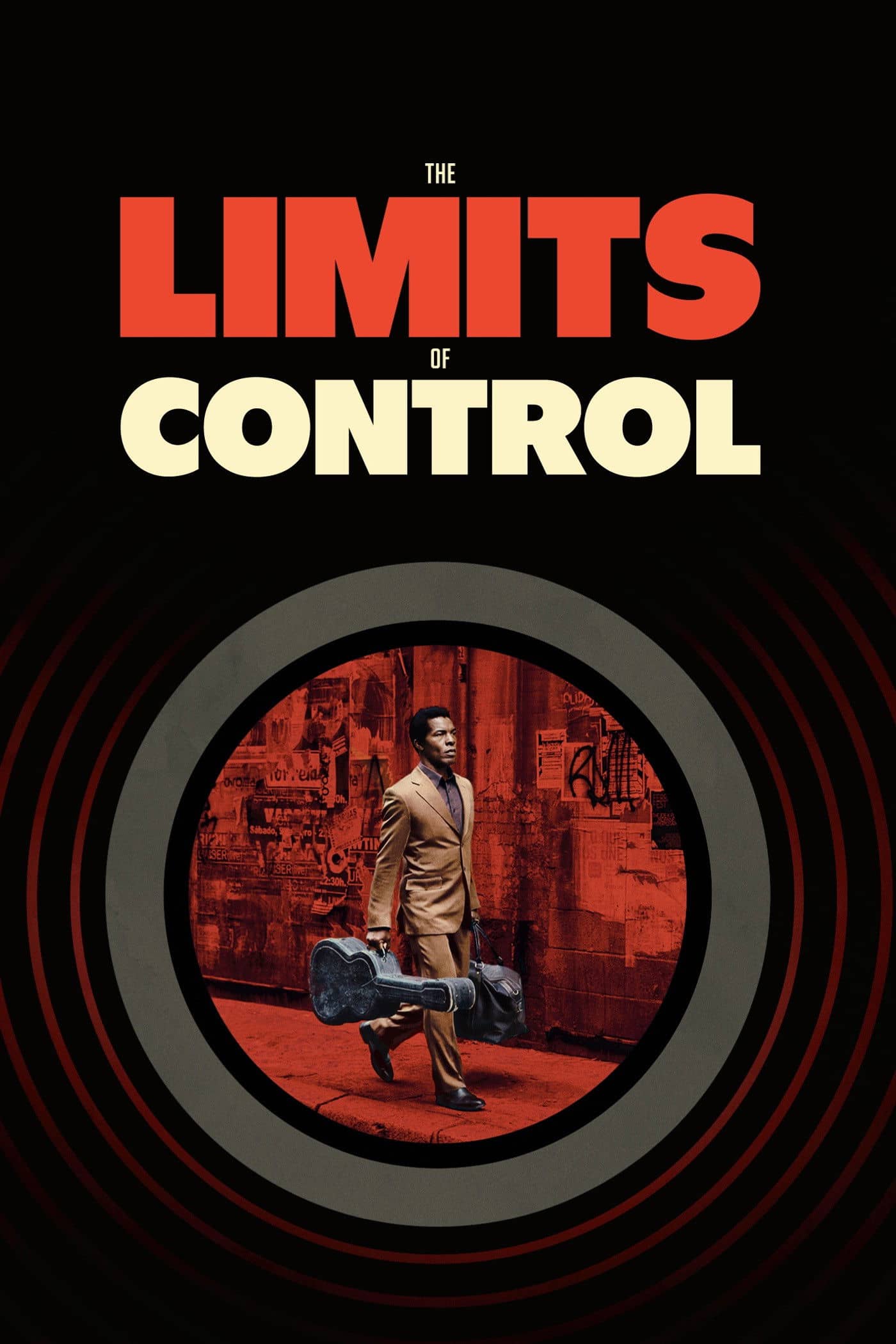
The Limits of Control
A mysterious stranger operates beyond the law, his aims concealed and his trust reserved for no one. His demeanor is at once razor-sharp and dreamlike as he undertakes a journey that takes him across Spain and travels through the depths of his own consciousness.
Director(s)
Ferran Rial
Jim Jarmusch
Catalina Parra
Cristina Amengual Watson
Adrian Grünberg
Andrea Vázquez
Chris Downs
Maralyn Causley
Where to watch

Amazon Video
Rent
Cast & Crew





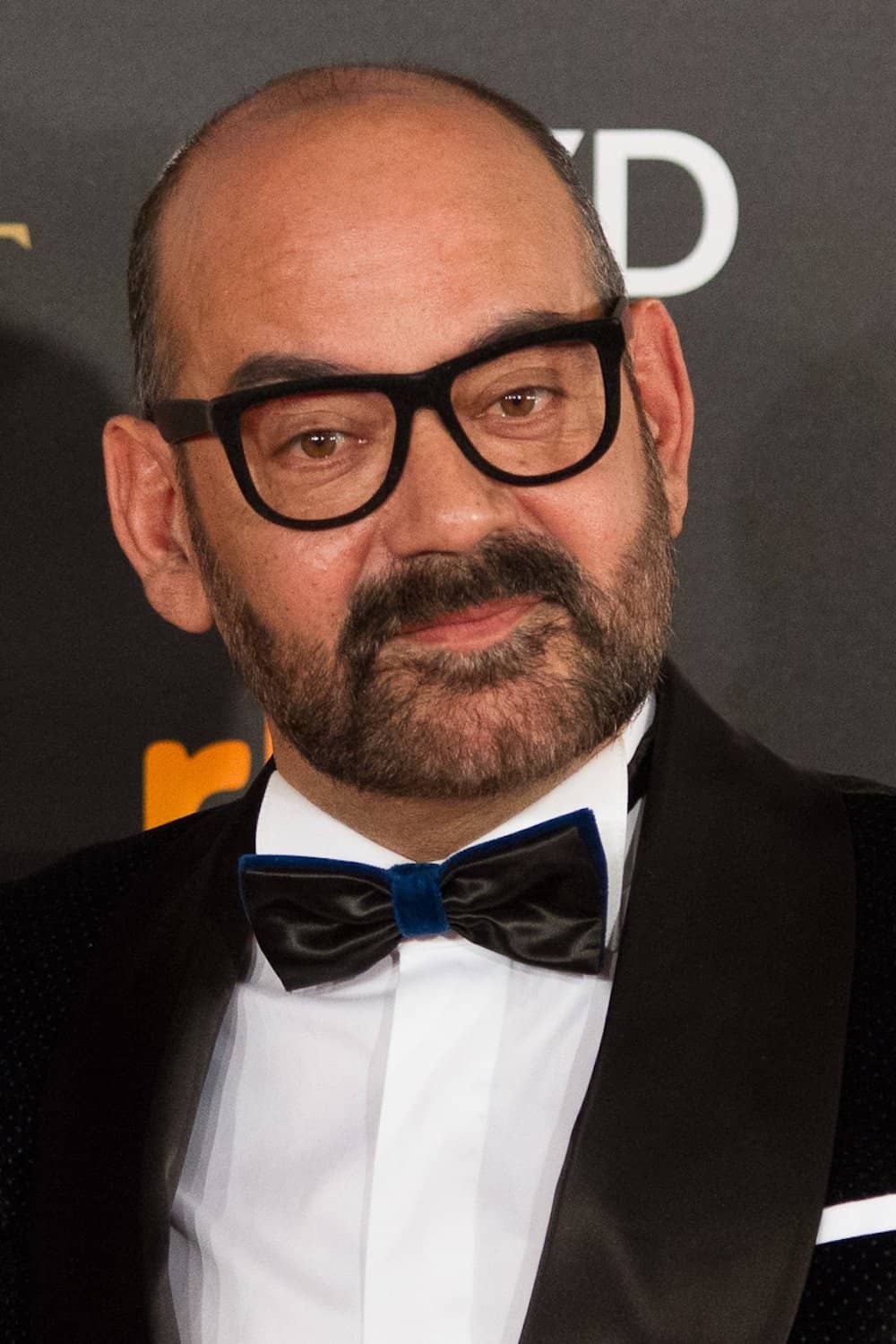
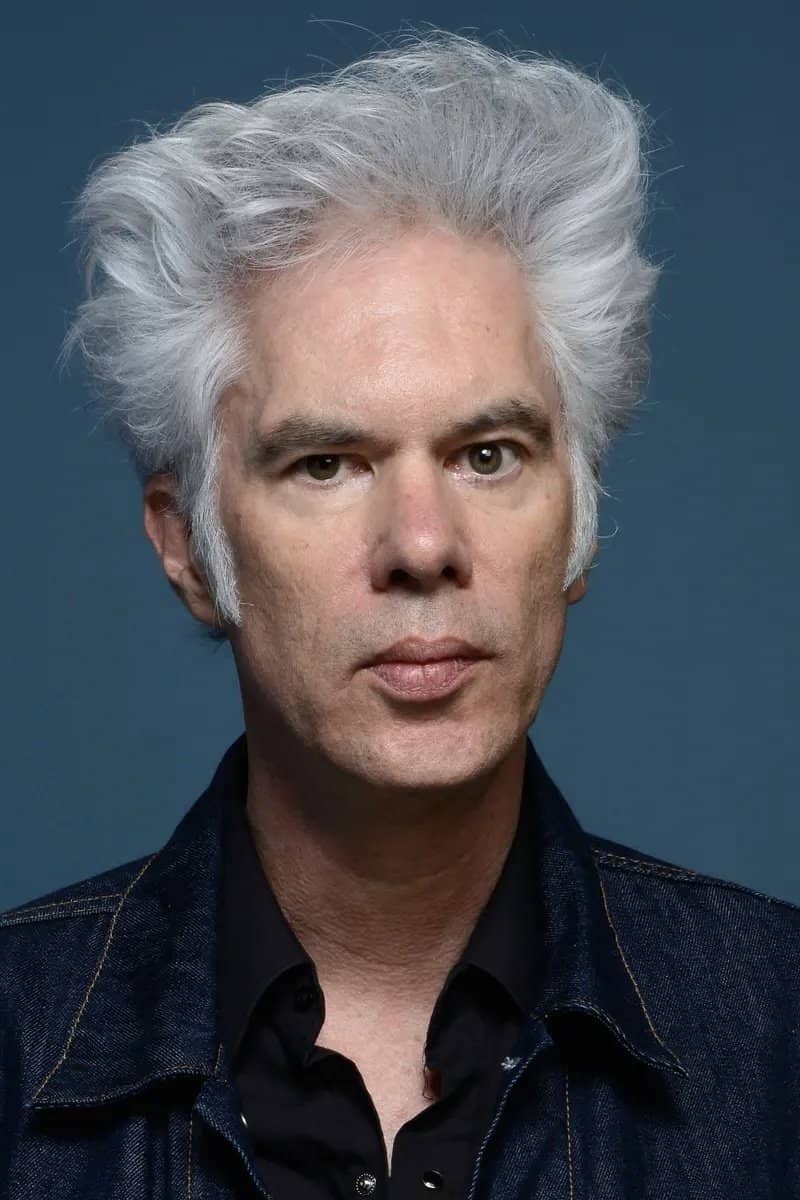

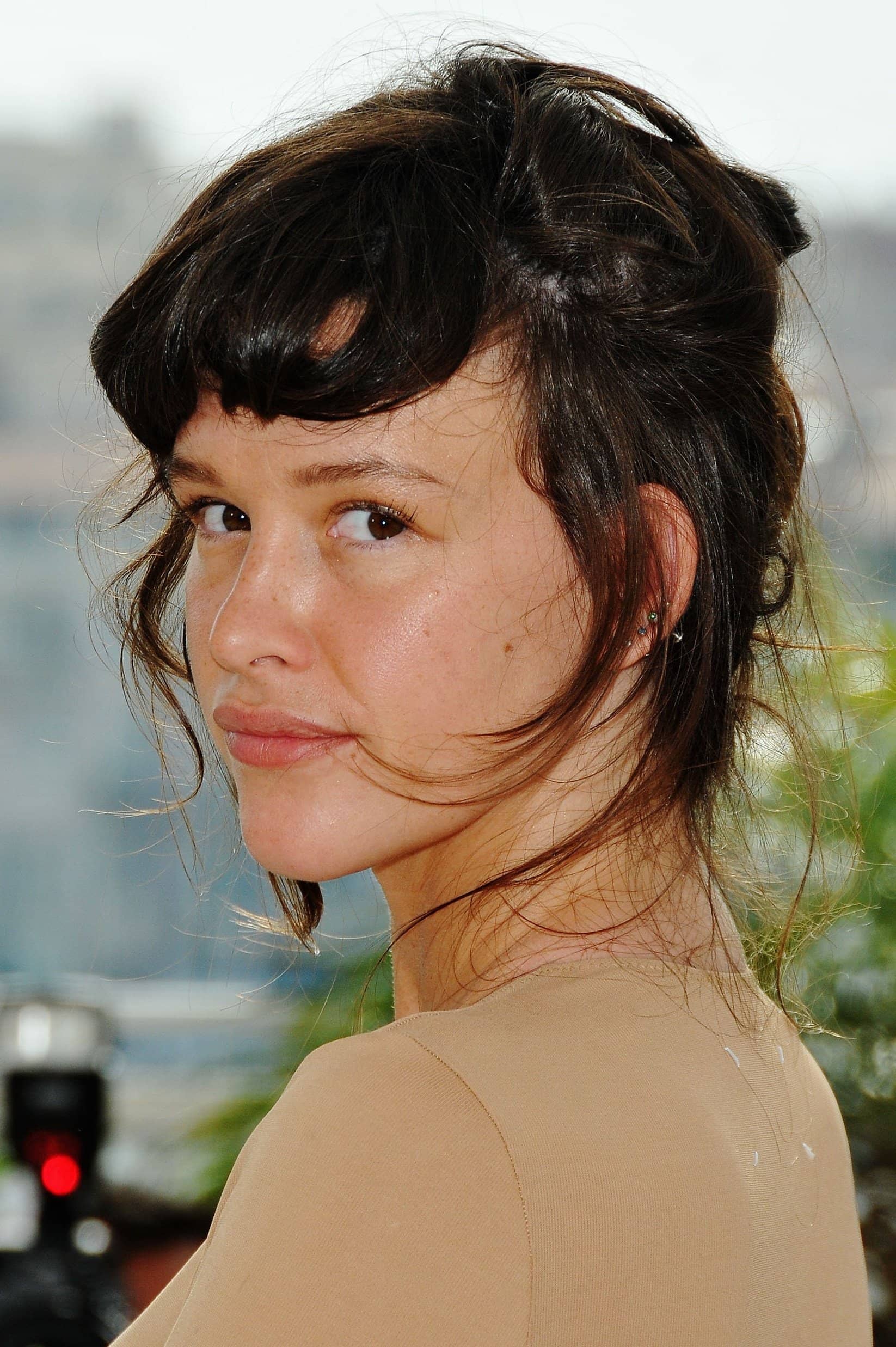
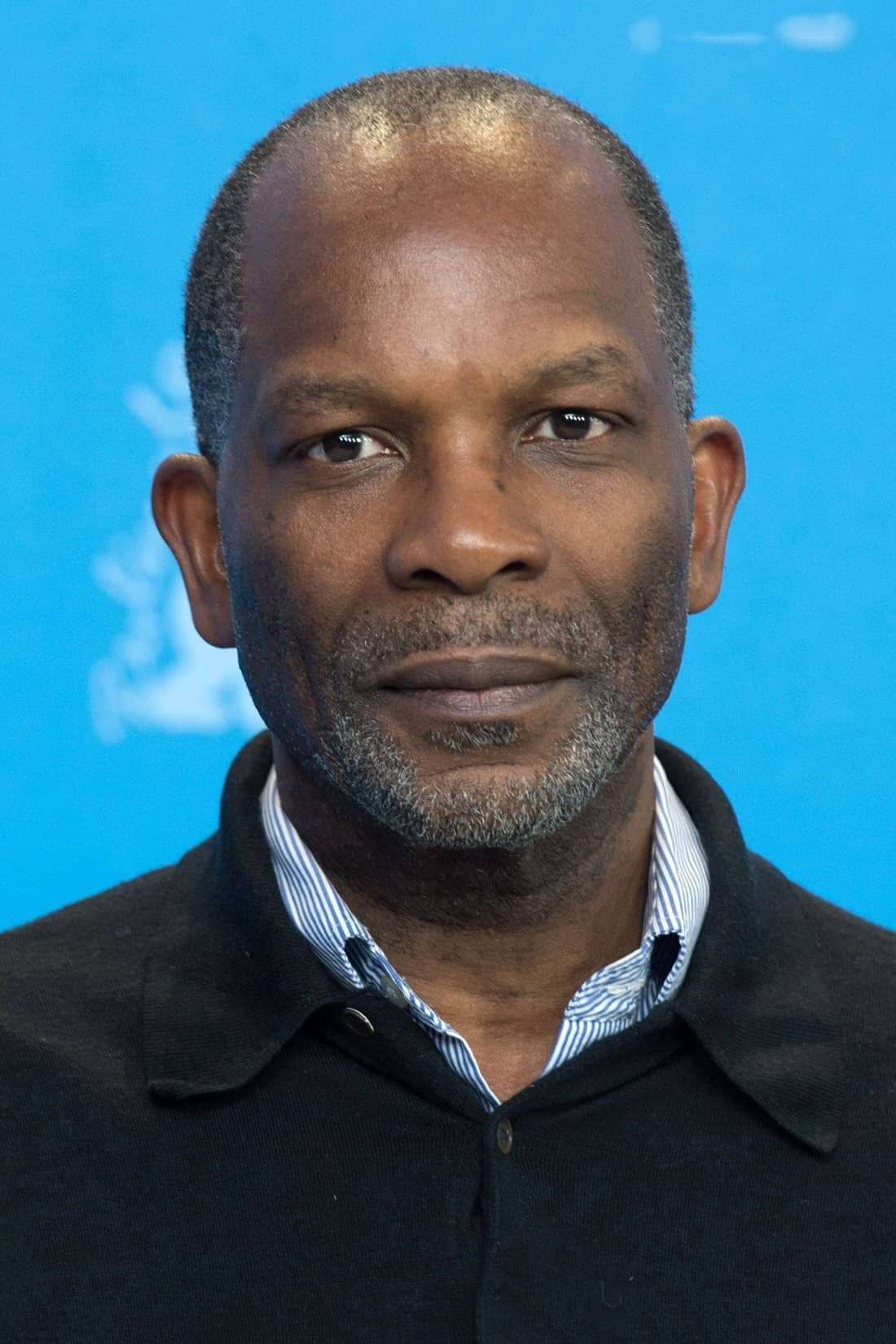
Details

Reviews
CRCulver
Jim Jarmusch's 2008 film <i>The Limits of Control</i> concerns a nameless hitman (Isaach De Bankole) as he prepares to carry out an assassination in Spain. It is not overtly stated that he is a professional, but his uncompromising posture, his unchanging expression and the omnipresent suitcase make it clear from the very first minutes of the film. Isaach De Bankole is perfect in this role, as he has a face that seems carved out of granite. The hitman's few intimations of humanity are thus all the more shocking. As the film proceeds, the hitman meets a series of individuals who send him onwards in his journey to pick up necessary equipment and finally confront his victim. These employees of his mysterious employer are left nameless, though often referred to by items they carry or other qualities: "Guitar" (John Hurt), "Blond" (Tilda Swinton), "Violin" (Luis Tosar), "Mexican" (Gael García Bernal), and "Molecules" (Youki Kudoh). In engaging the assassin in conversation to subtly convey their messages, they end up delivering eccentric monologues. Many critics lambasted these lines as so much metaphysical babble. In fact, everything said relates very directly to the plot, but this is the sort of film that demands a second viewing to really tie everything together, and those who fail to be intrigued enough on the first viewing to go on to a second may find this film a failure. Though Jarmusch alludes to America under the Bush administration at points, this is ultimately a psychological drama: the hitman's task and contacts represent only parts of his own psyche. While some have tried to view this as a simple Freudian struggle between the id, ego, and superego, I feel that Jarmusch is aiming for something more subtle, something that he has great difficult putting into words and, even with his best efforts, this film can only hint at. THE LIMITS OF CONTROL feels like a cinematic analogue to the late albums of Scott Walker, where the songs' characters, cultural references and "plot" only serve to express some burning flame in the artist's own psyche. Jim Jarmusch has always stated that his aesthetic is to absorb everything he can from prior films (and books, music, etc.) and let those inspirations reflect in his own films.<i>The Limits of Control</i> abounds with references to the film canon: Jean-Pierre Melville (namely "Le Samouraï"), Orson Welles ("The Lady from Shanghai"), Alfred Hitchcock, Aki Kaurismäki ("Le Vie de Bohème"), Alejandro Jodorowsky (that auteur's entire trippy aesthetic), and probably more that I just didn't recognize. The film's lack of conventional interaction between characters and the compilation of references ultimately makes THE LIMITS OF CONTROL feel relatively cold and lifeless compared to Jarmusch's many other films. Still, the visuals of the film make it a worthwhile experience in spite of its flaws. With Christopher Doyle, funny enough, working the camera, we get a number of beautifully composed shots that will prove memorable.
All Trailers

Media engagement
The Limits of Control FAQs
The directors of The Limits of Control are Ferran Rial, Jim Jarmusch, Catalina Parra, Cristina Amengual Watson, Adrian Grünberg, Andrea Vázquez, Chris Downs, and Maralyn Causley.
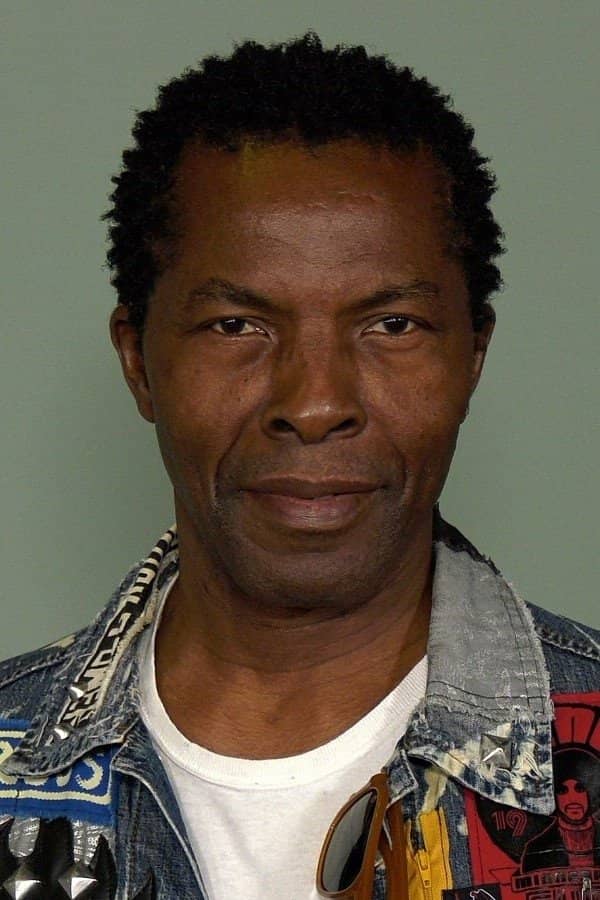
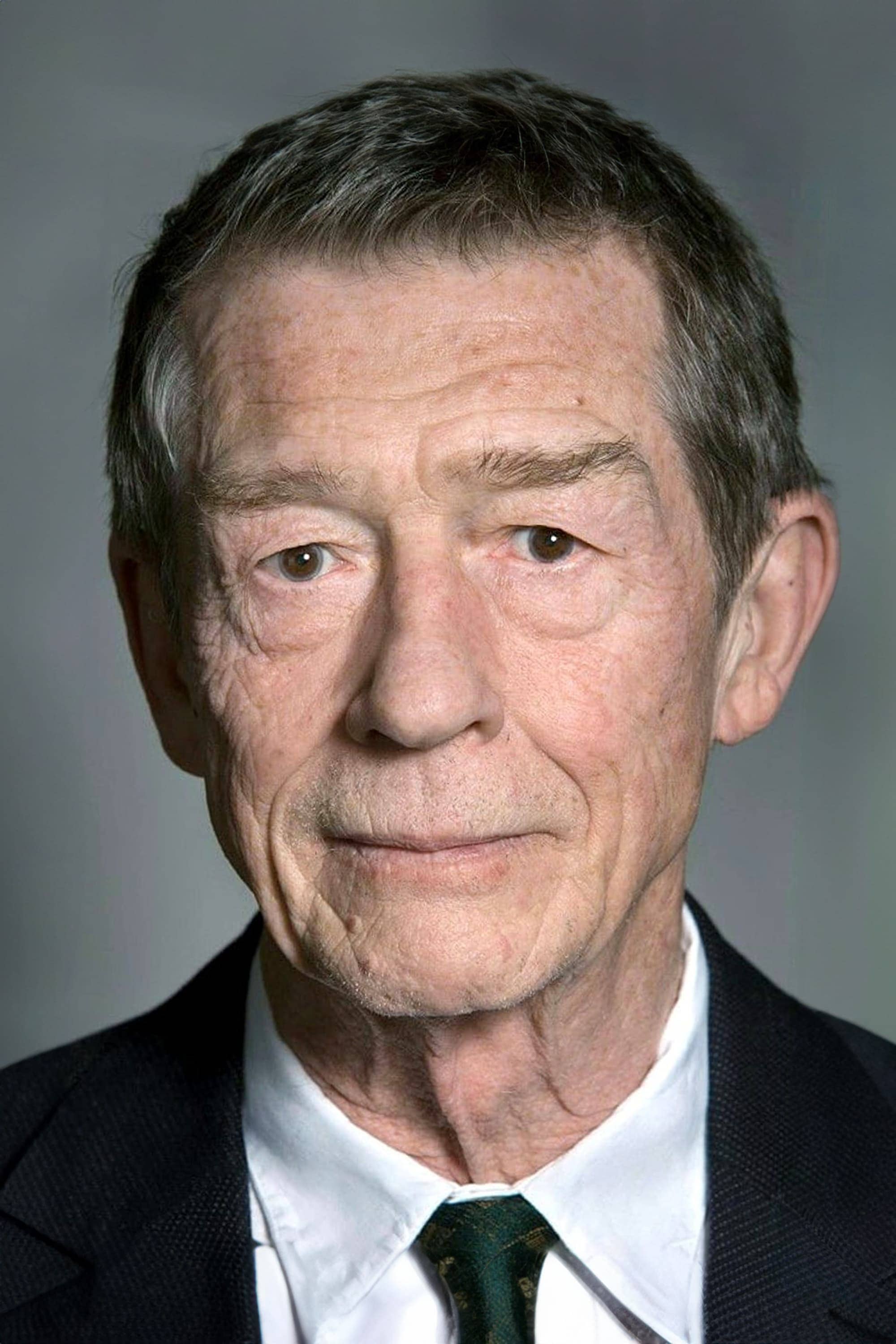
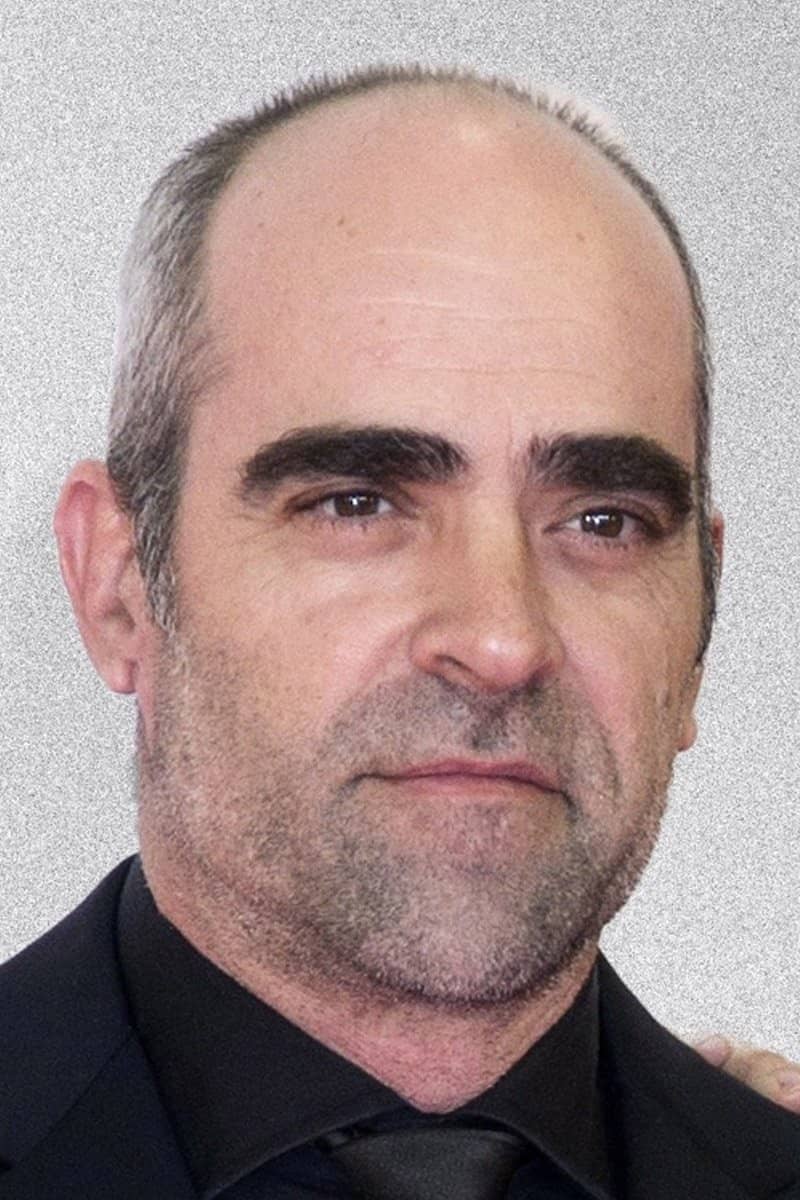
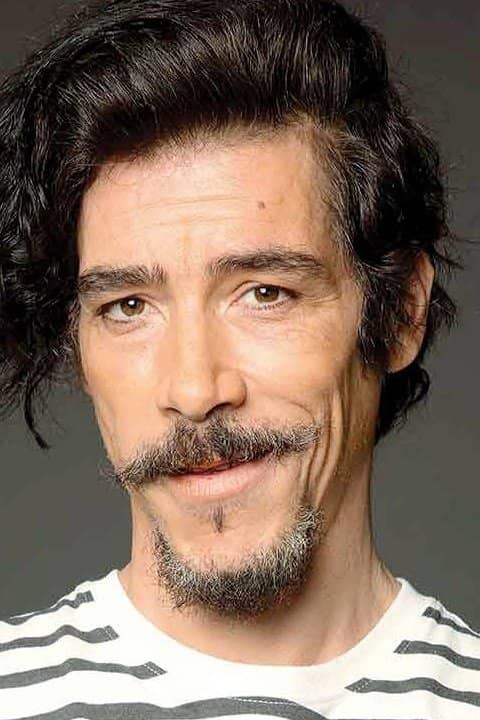
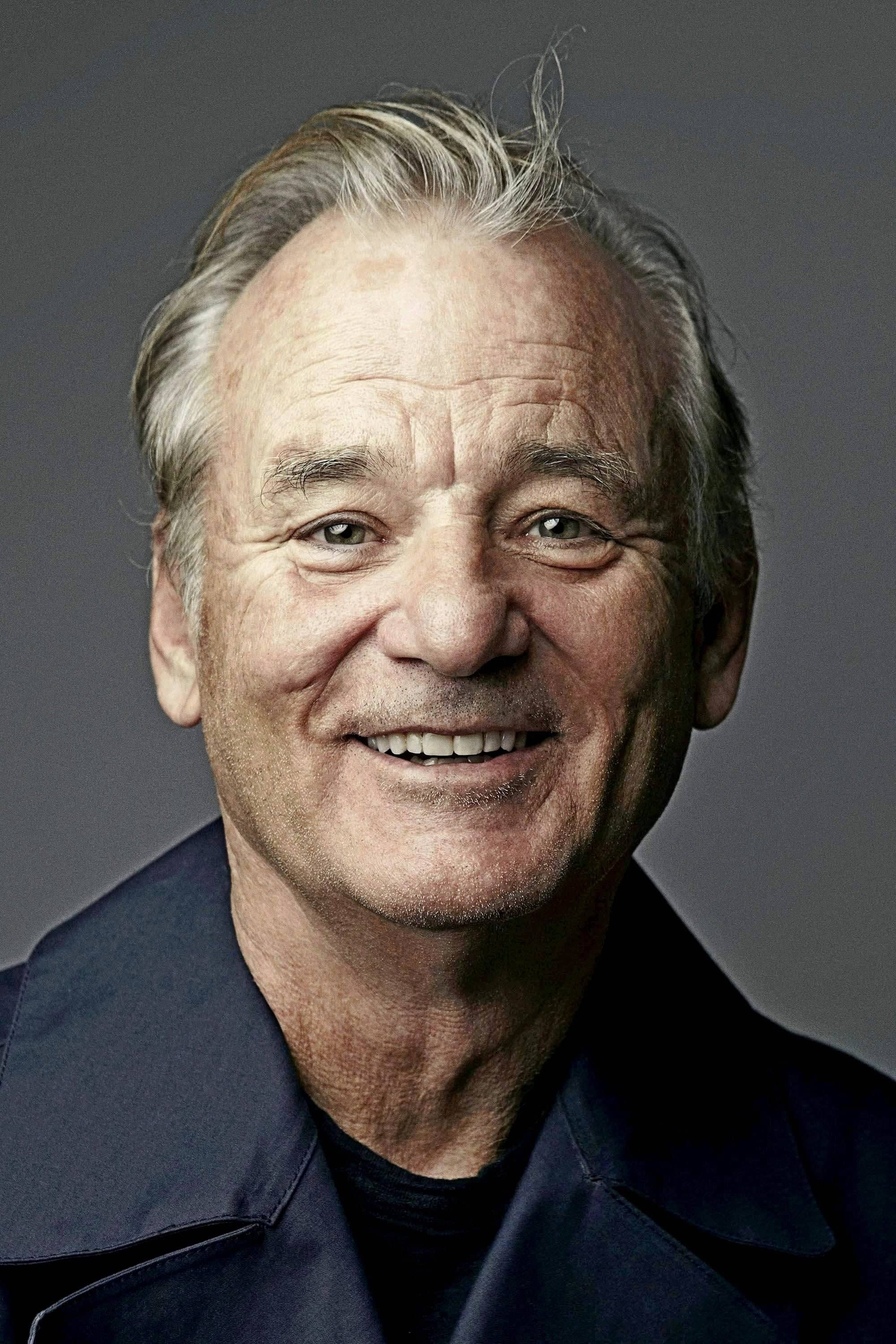
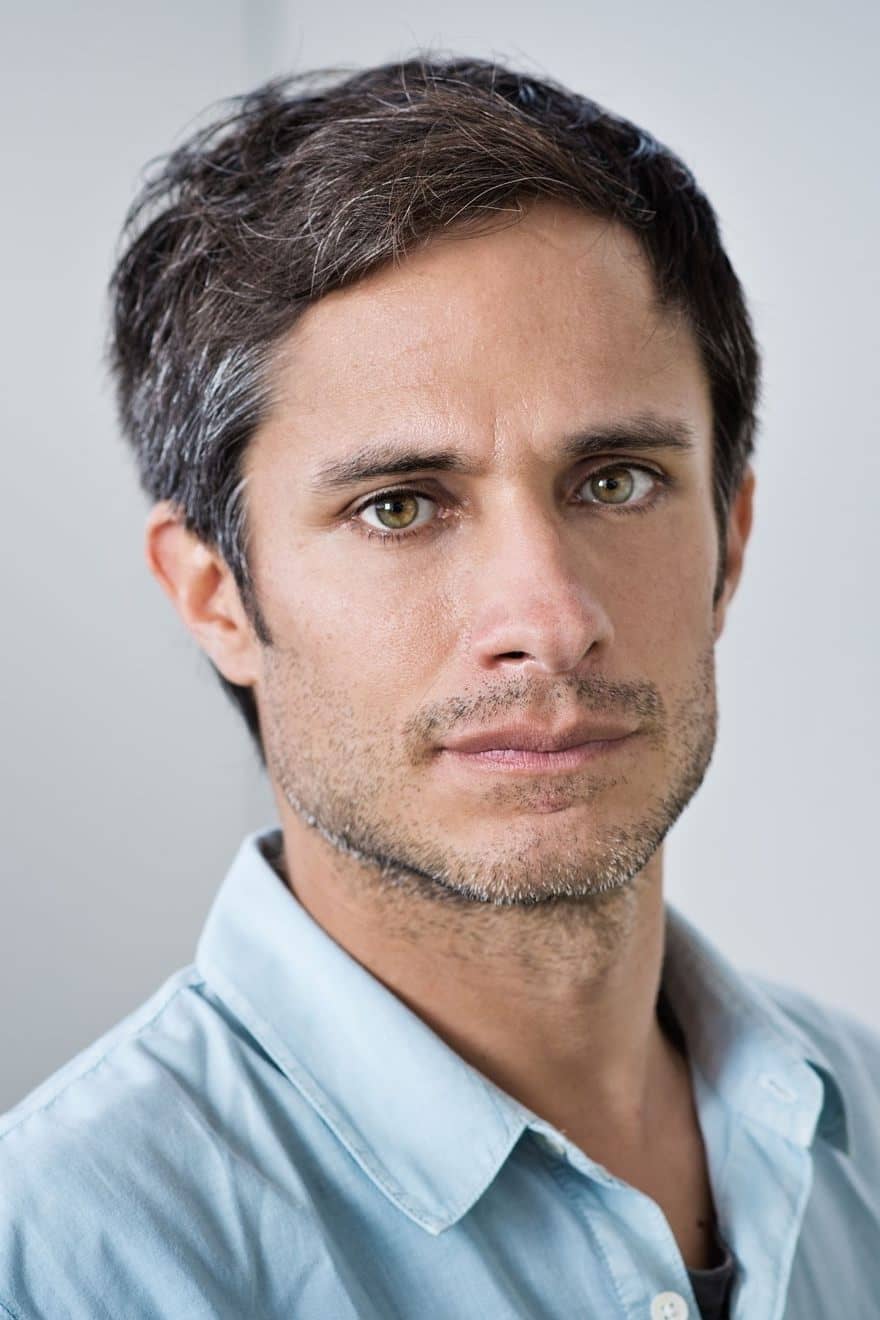
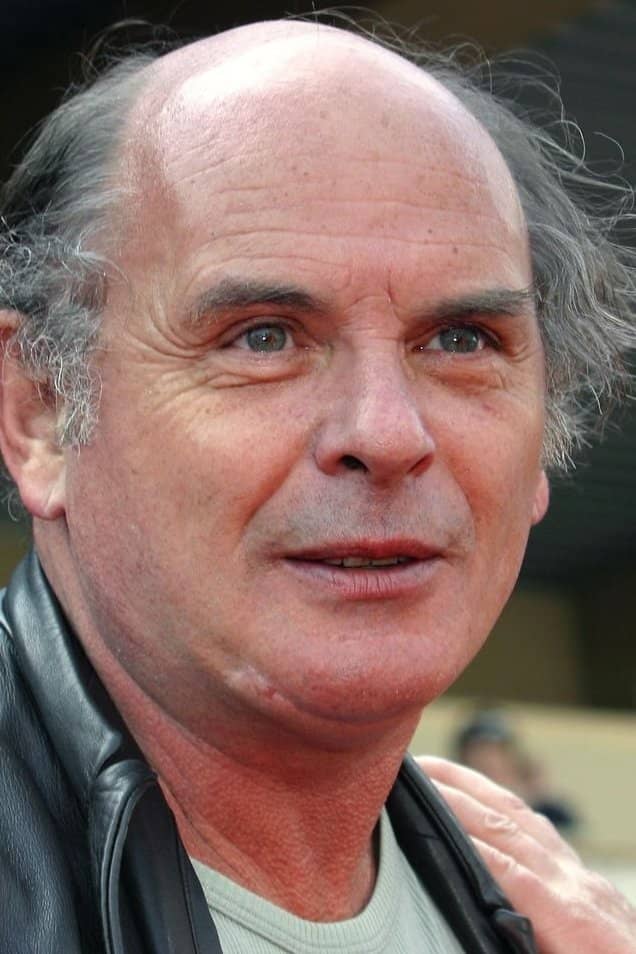
The cast of The Limits of Control includes Tilda Swinton as Blonde, Isaach de Bankolé as Lone Man, John Hurt as Guitar, Luis Tosar as Violin, Óscar Jaenada as Waiter, Bill Murray as American, Gael García Bernal as Mexican, Héctor Colomé as Second American, Hiam Abbass as Driver, Jean-François Stévenin as French, Youki Kudoh as Molecules, Paz de la Huerta as Nude, and more.
The duration of The Limits of Control is 1h 56 mins.
Yes. You can watch the The Limits of Control trailer on this Fanbiz page on Fanziz.
You can watch The Limits of Control on Amazon Video (Rent). Check this Fanbiz page for the latest platforms.
The Limits of Control was released on 01 May 2009.
The Limits of Control is listed under Crime, Drama, Mystery, and Thriller on Fanbiz.
The Limits of Control has 1 review on Fanziz, with an average rating of 6.0/10. One reviewer wrote: "Jim Jarmusch's 2008 film <i>The Limits of Control</i> concerns a nameless hitman (Isaach De Bankole) as he prepares to carry out an assassination in Spain. It is not overtly sta..."
