

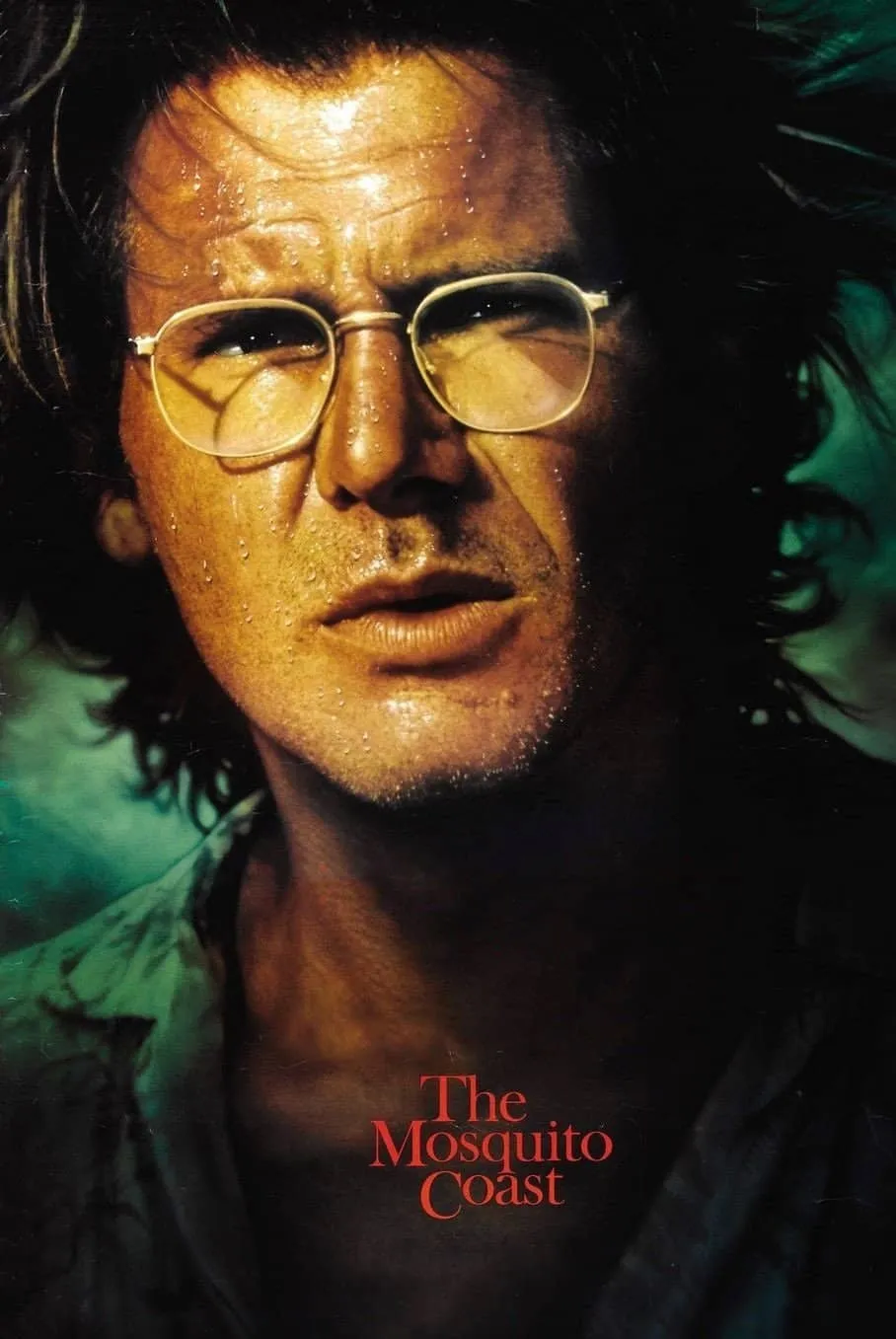
The Mosquito Coast
An inventor spurns his city life and moves his family into the jungles of Central America to make a utopia.
Director(s)
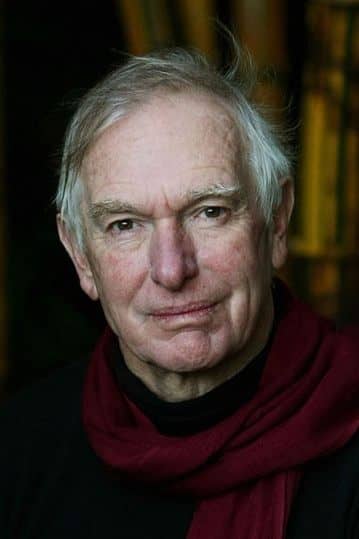
Peter Weir
Steve E. Andrews
Mark Egerton
Philip A. Patterson
Cast & Crew

Details

Reviews
tmdb39513728
**Disney for Anarchists** Before there was a McConaissance there was a Harrisance, That's right, you heard right: Harrisance. Within a few years in the 1980's Harrison da Chicago lead what was arguably the greatest adventure movie ever mounted, and possibly the best science fiction movie ever launched. He was also featured in that adorable little _Star Wars_ trilogy. Not to mention a slew of fine movies like _Presumed Innocent_, _Frantic_, _the Fugitive_, and two thrillers as Jack Ryan. Among my favourite movies from the Harrisance period (if I keep saying it, it will be a thing) were two directed by Peter Weir, an Aussie who never met a cultural clash he didn't want to shoot. Weir directed a couple of American films and chose the right man to lead them. _Witness_ was well-liked and had a righteously tough Harrison cop defending the Amish. But in my opinion, _Mosquito Coast_ was better. Look at the headliners. Harrison Ford , Helen Mirren, River Pheonix, from a story by Paul Theroux, scripted by Paul (_Taxi Driver_, _Raging Bull_) Schrader. The jaded Film Critics at the time weren't exactly blown away by the movie's ambitious scope but liked the way Harrison could play an anti-hero. What's so anti about him? He was great! I wish he was my dad. I would have loved to go on an escapist adventure with a genius inventor father who had grand visions of erecting a new utopia in the forests of Belize by manufacturing ice in the tropics. Okay, maybe he went too far. Got a bit swollen-headed and delirious. Became the patriarchal tyrant he was running away from. But that was from the rage he felt when realizing that while (in the 1980's) he might be able to elude multinational greed, he can't escape human avarice. O the tragedy of humans
All Trailers

The Mosquito Coast FAQs
The directors of The Mosquito Coast are Peter Weir, Steve E. Andrews, Mark Egerton, and Philip A. Patterson.
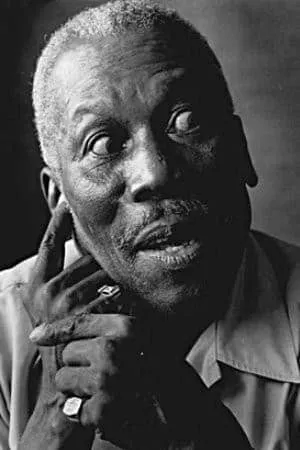
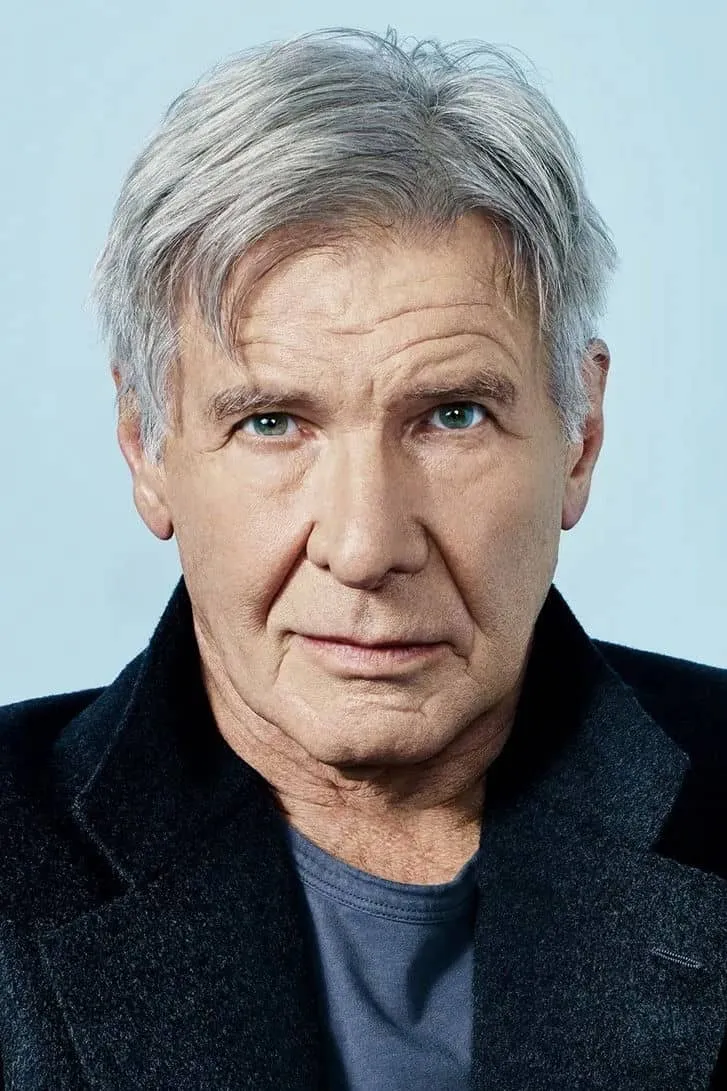
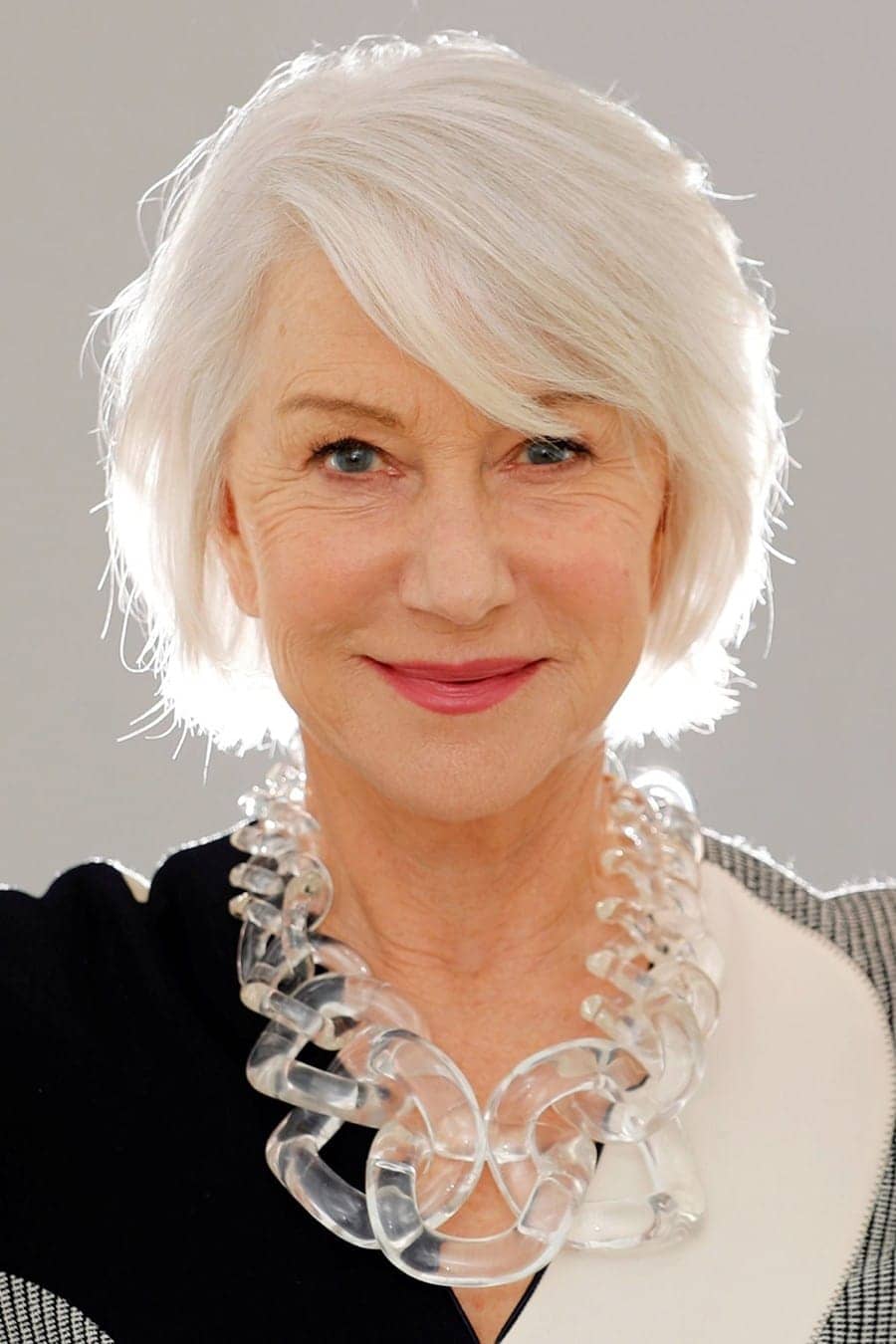
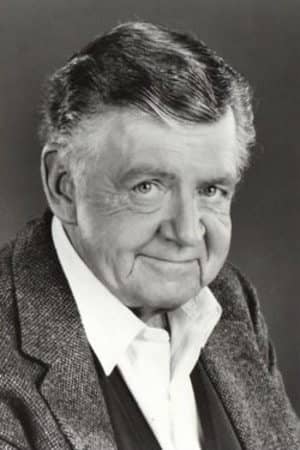
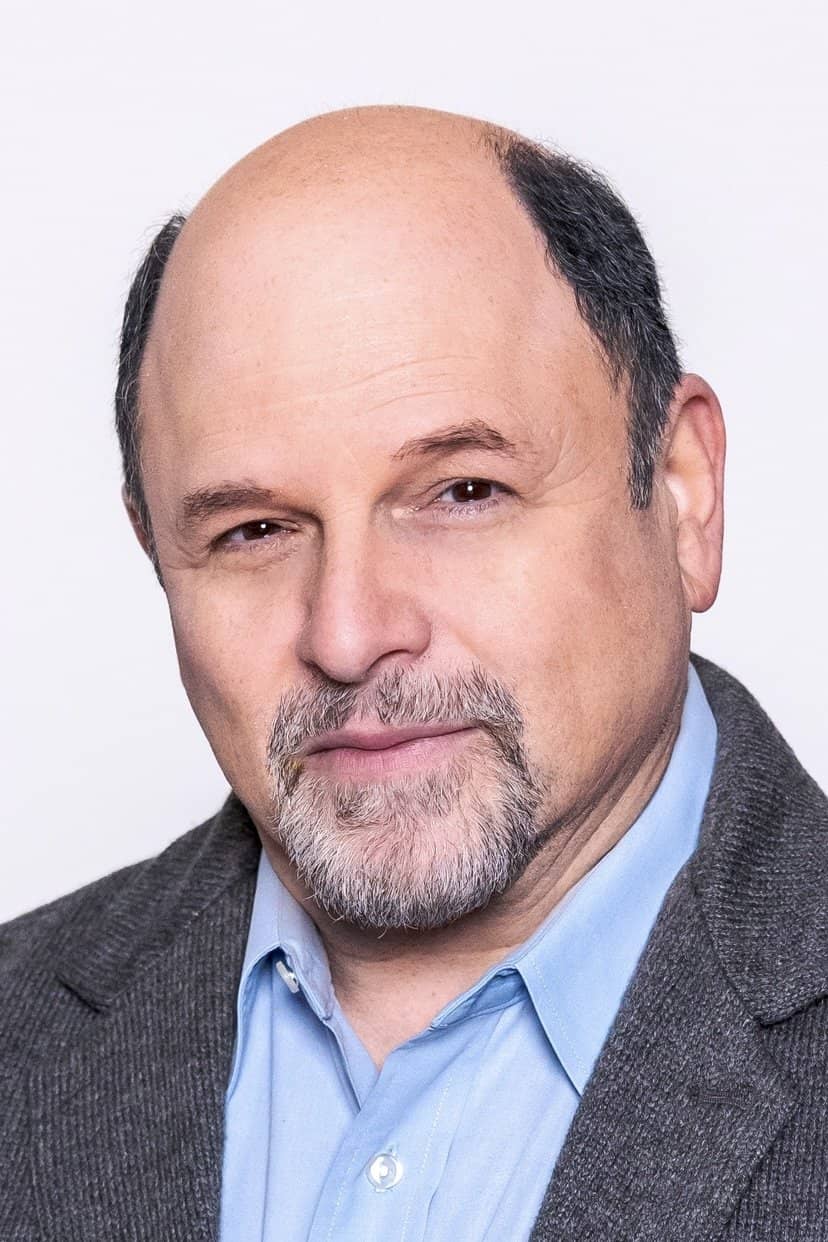
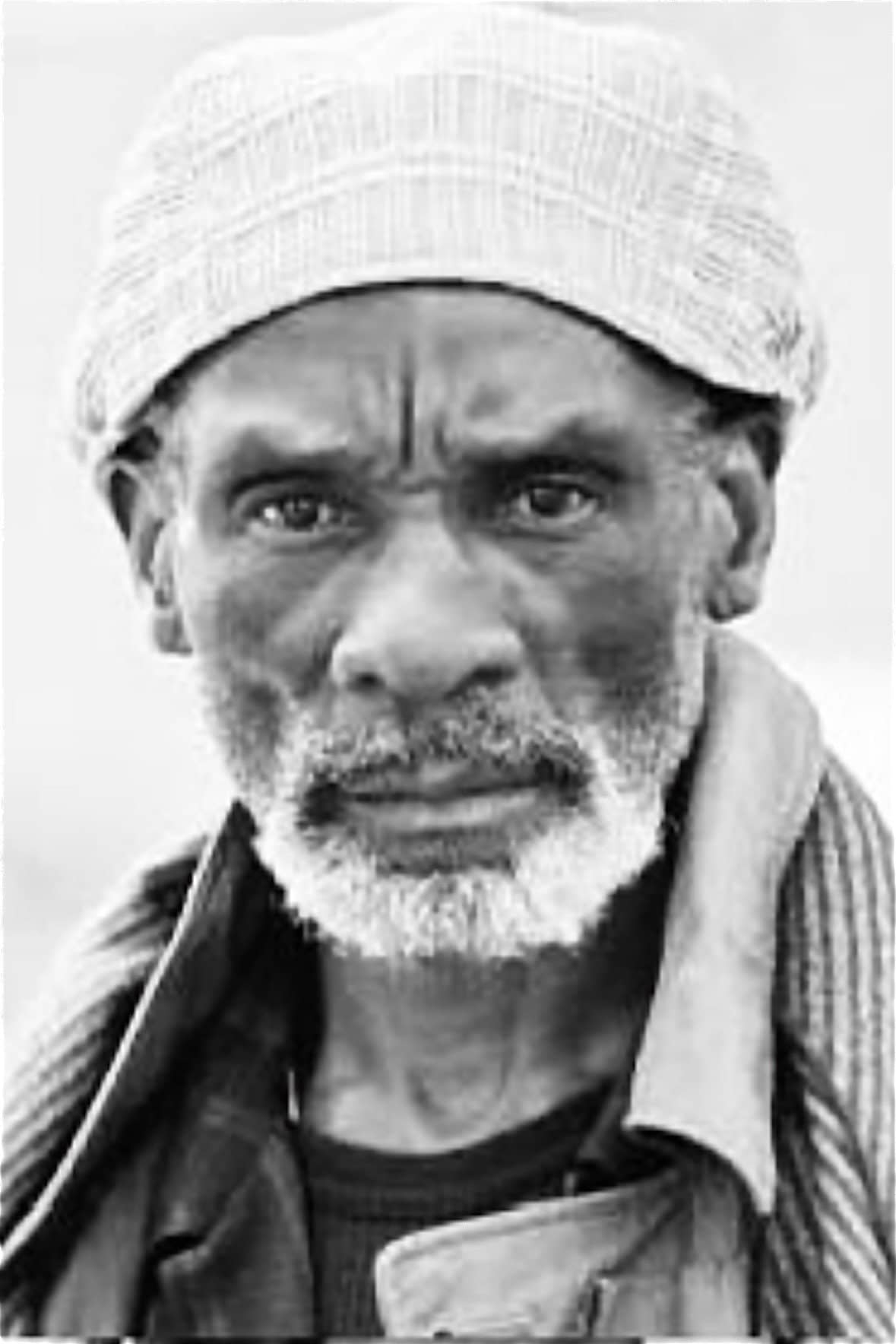
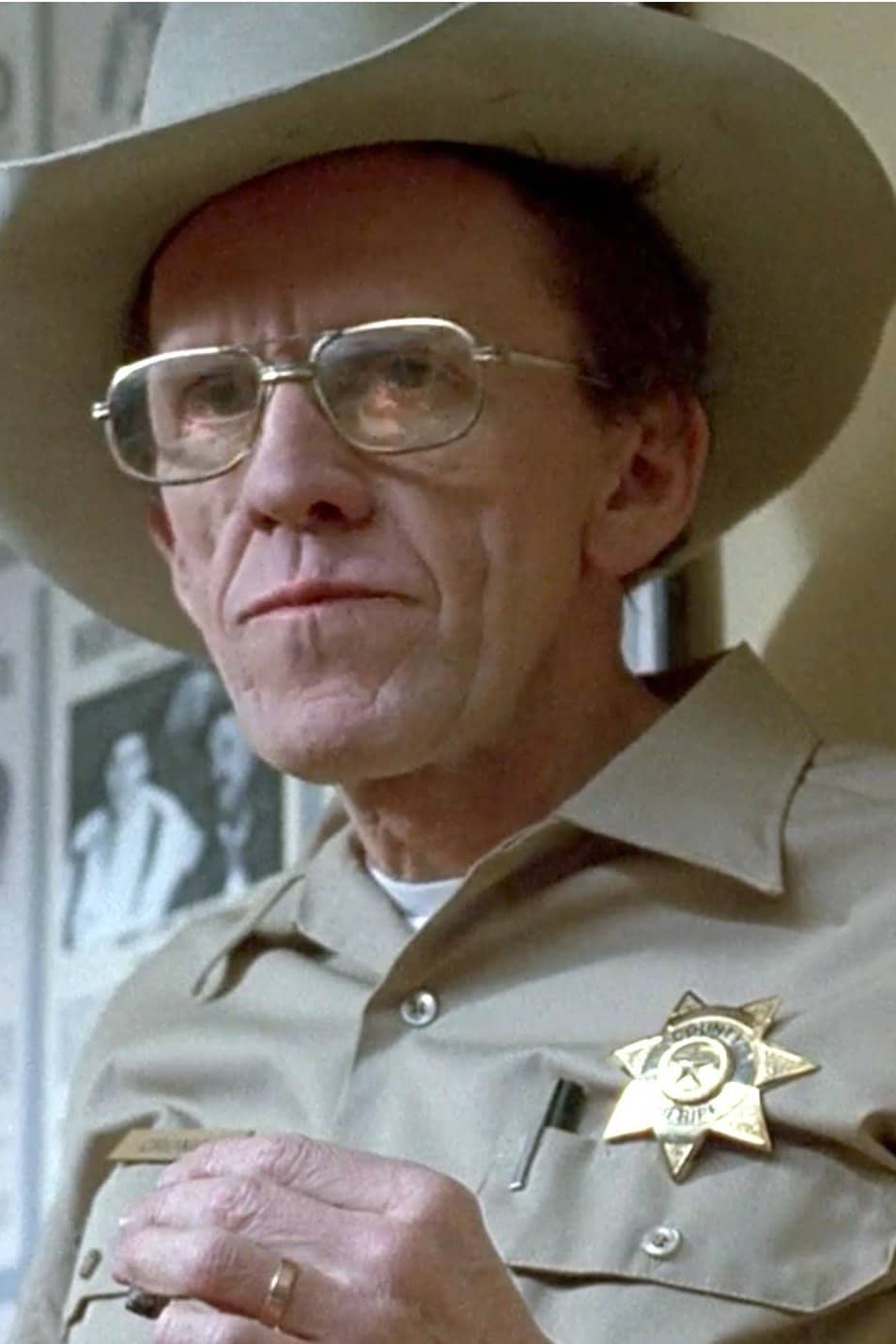
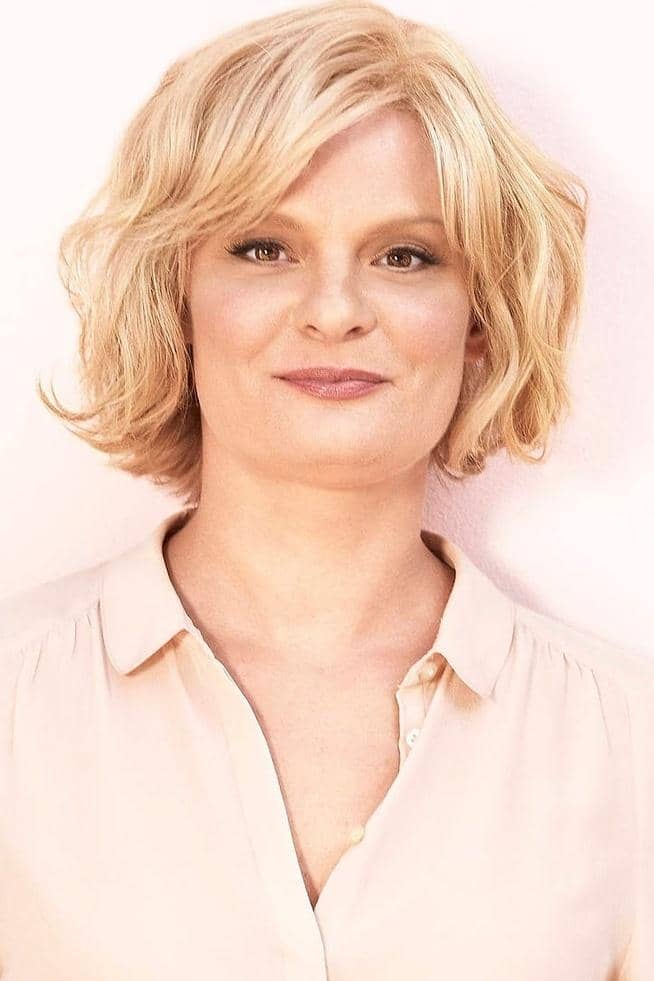
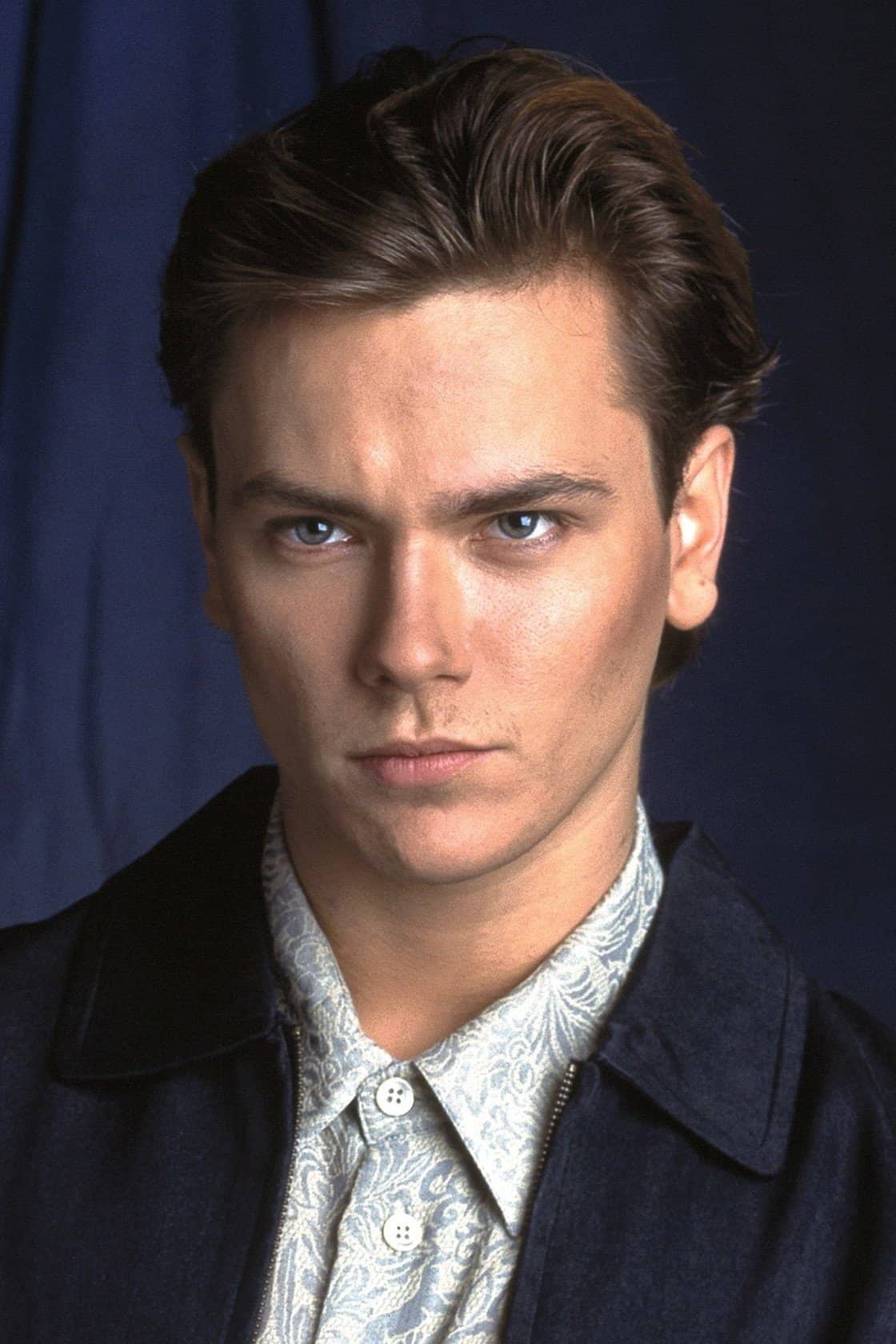
The cast of The Mosquito Coast includes Tiger Haynes as Mr. Semper, Harrison Ford as Allie Fox, Helen Mirren as Mother Fox, Dick O'Neill as Mr. Polski, Jason Alexander as Hardware Clerk, Conrad Roberts as Mr. Haddy, William Newman as Captain Smalls, Martha Plimpton as Emily Spellgood, River Phoenix as Charlie Fox, Jadrien Steele as Jerry Fox, Hilary Gordon as April Fox, Rebecca Gordon as Clover Fox, and more.
The duration of The Mosquito Coast is 1h 59 mins.
Yes. You can watch the The Mosquito Coast trailer on this Fanbiz page on Fanziz.
The Mosquito Coast was released on 26 Nov 1986.
The Mosquito Coast is listed under Drama and Adventure on Fanbiz.
The Mosquito Coast has 1 review on Fanziz, with an average rating of 0.0/10. One reviewer wrote: "**Disney for Anarchists** Before there was a McConaissance there was a Harrisance, That's right, you heard right: Harrisance. Within a few years in the 1980's Harrison da Chi..."
