

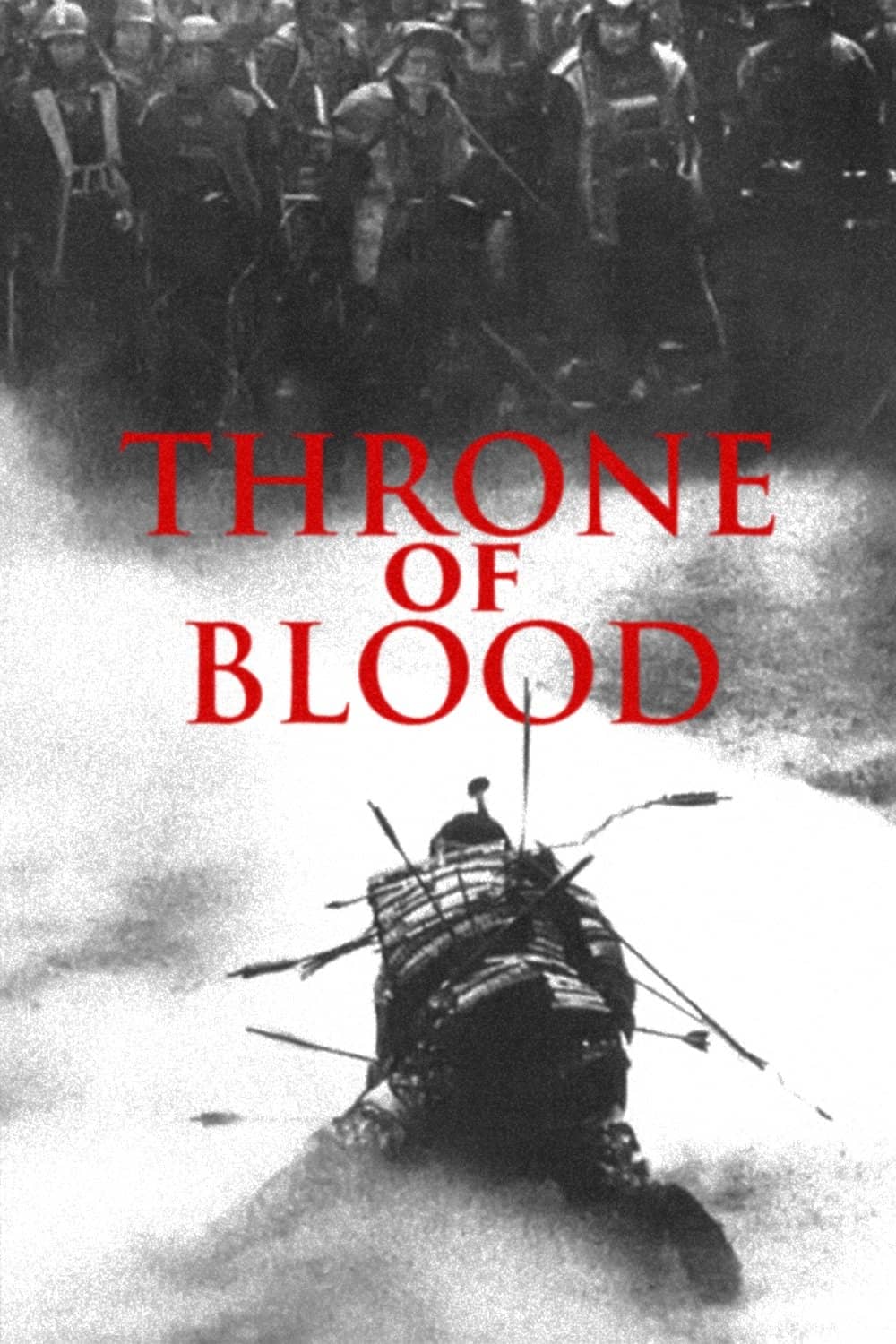
Throne of Blood
Returning to their lord's castle, samurai Washizu and Miki are waylaid by a spirit that foresees their futures. When the first portion of the spirit's prophecy comes true, Washizu's scheming wife, Asaji, presses him to accelerate the rest of the prophecy by murdering his lord and usurping his place. Director Akira Kurosawa's resetting of William Shakespeare's Macbeth in feudal Japan is one of his most acclaimed films.
Director(s)
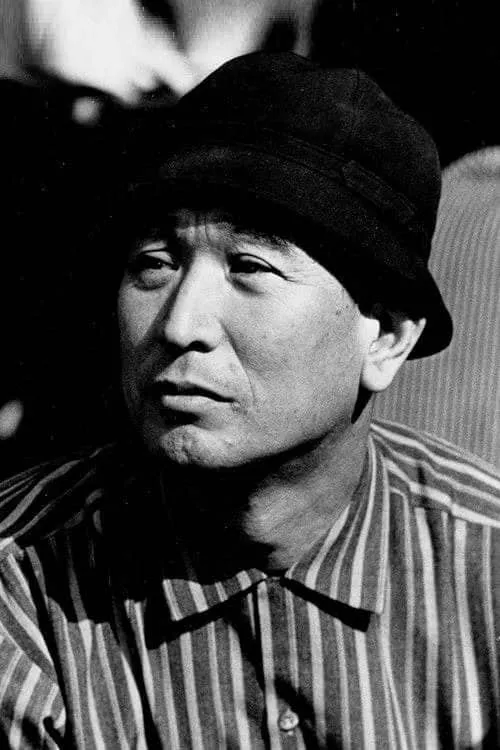
Akira Kurosawa
Yoshimitsu Banno
Cast & Crew

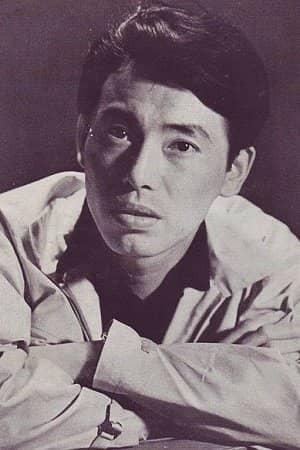
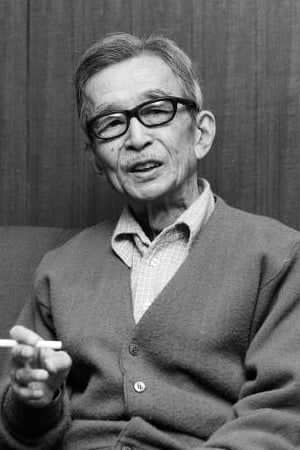
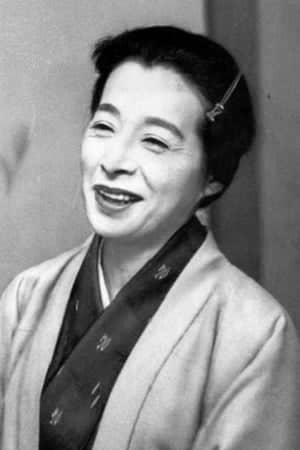
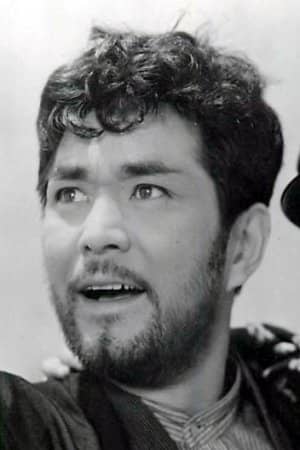
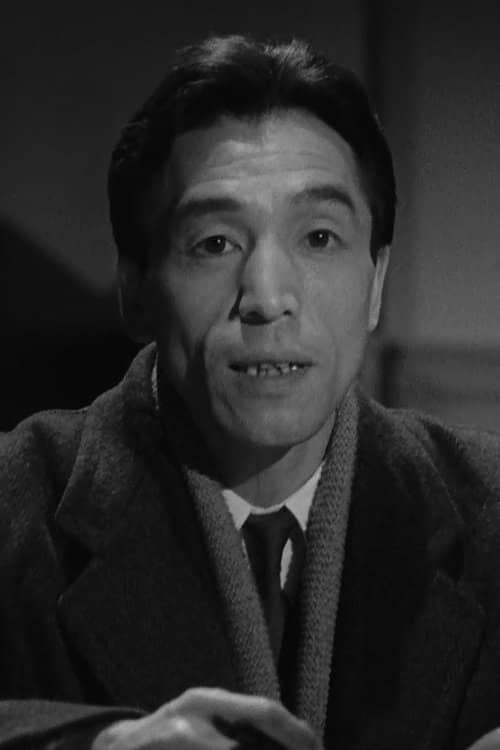
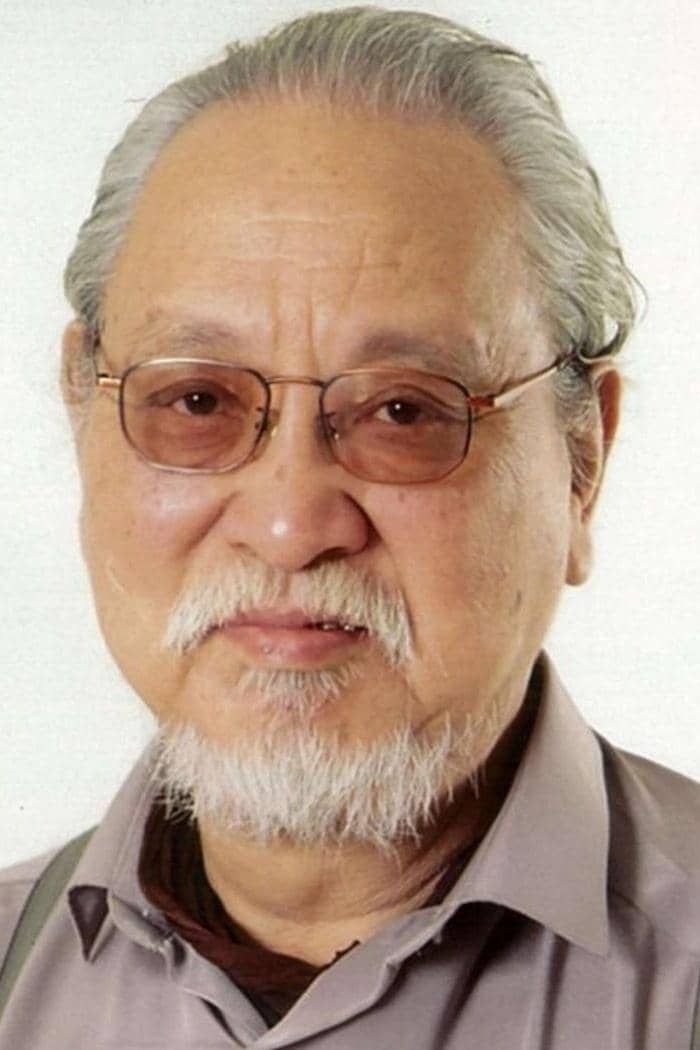
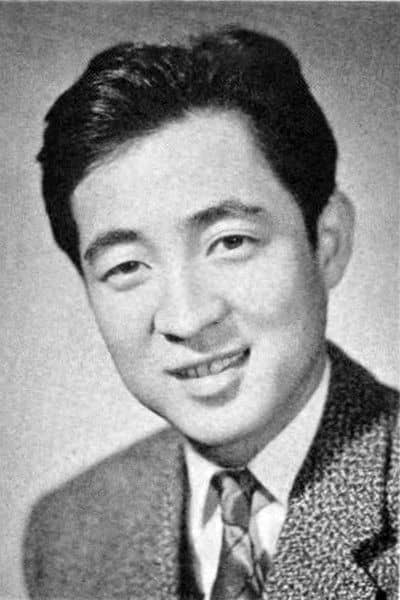
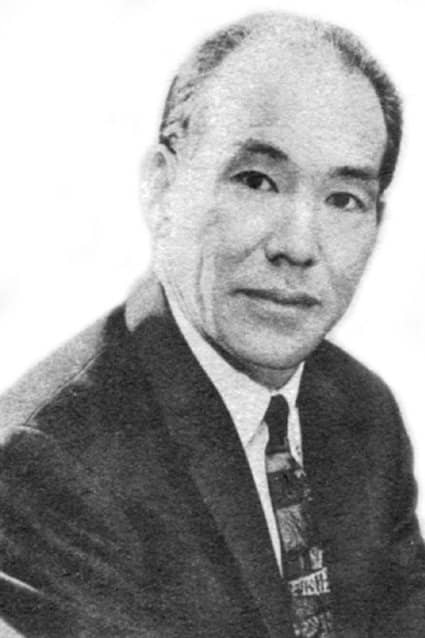
Details

Reviews
CinemaSerf
I think that this is a superb tragi-adventure story that stands out well amongst the numerous loose adaptations of Shakespeare that have been made over the years. Kurosawa takes the Scottish play and gives it the "Noh" treatment that delivers an enigmatic and tautly directed rendition of a story of betrayal, power and insanity. Toshirô Mifune is magnificent as "Washizu" who after getting lost with his colleague (Minoru Chiaki) in the doleful "Spider's Web" forest is given a cryptic prophecy that one day he too is destined to rule the great "Spider's Web castle"... Initially reluctant to embark on this path, he soon becomes blinded by this ambition on the misguided advice of his wife (Isuzu Yamada) and so he sets out on a despotic path than can only end in disaster for everyone. The cast work the story well, ably aided by the eeriness of the sets and a sharp pace. It works far better, in my opinion, in monochrome - no colourful distractions from the moody cinematography of the forest nor of the castle architecture and the mobilisation of grand armies - especially in the scenes set in winter; and the general grittiness of the scenarios are easily akin to those of 11th Century Scotland. Once the delirium of the final scenes is upon us, the performances become plausible and in the end , I almost felt sorry for "Washizu". Great stuff.
CRCulver
One of a number of films that Akira Kurosawa made in the 1950s and which have become classics, <i>Throne of Blood</i> is the director's adaptation of Shakespeare's Macbeth, set in feudal Japan but showing that lust for power is a perennial feature of human society. Washizu (the Macbeth character, Toshiro Mifune) is a soldier serving the lord of Spiders-Web Castle. While riding through a forest with his comrade and childhood friend Miki (the Banquo character, Minoru Chiaki), they come upon a forest spirit that foretells an elevation in rank for the two, and eventually Washizu's reign over Spiders-Web Castle. While Washizu denies that he has any desire to seize the throne, the forest spirit could see into his heart, as can his wife Asaji (the Lady Macbeth character, Isuzu Yamada) who spurs him on to murder any potential rivals. Thus Mifune moves inextricably towards his own elevation, but also his own fall. Although the film is an adaptation of Shakespeare, the way the actors move before the camera owes much to the Japanese theatre called Noh. So much of the film is carried by the powerful facial expressions of the main actors: the over-the-top snarls and gasps of Mifune; the sad mien of Chiaki, as if his character is already aware of his fate; and the chilling calm of Yamada, a coldblooded killer even if she doesn’t personally murder anyone but has others do it. Kurosawa's set design is elaborate, one really feels back in Edo Japan. Furthermore, by shooting the film in a bleak part of Japan with abundant fog, the landscape powerfully mirrors the predicament in which the characters find themselves. This is one of those films that any Westerners with a solid liberal arts education (by which I mean at least some general knowledge of Macbeth) should see and will probably enjoy. Because it is based on a universal theme that just happened to be so well packaged by Shakespeare, the plot is straightforward and engaging in spite of the exotic setting. But because viewers can so easily follow that plot, the feudal Japan dressing with its distinct mores will prove a fascinating touch, and Kurosawa has depicted this world in rich detail. I don't know if postwar scarcity was still a thing in 1956 when Kurosawa shot <i>Throne of Blood</i>, but it seems like no expense was spared here.
All Trailers
![Throne of Blood (1957) Original Trailer [HD]](https://i.ytimg.com/vi/oa0CcrHB4rc/maxresdefault.jpg)
Media engagement

Throne of Blood FAQs
The directors of Throne of Blood are Akira Kurosawa and Yoshimitsu Banno.
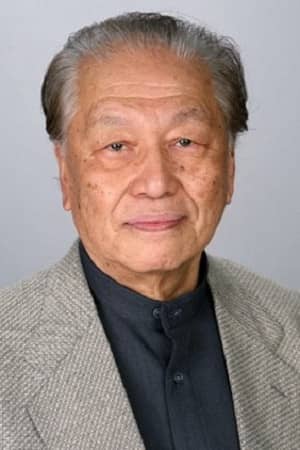
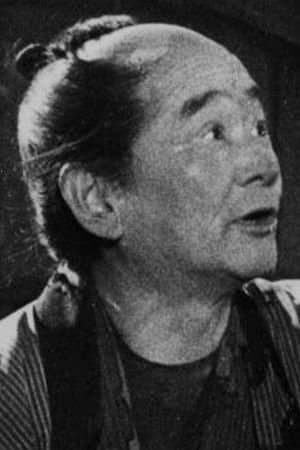
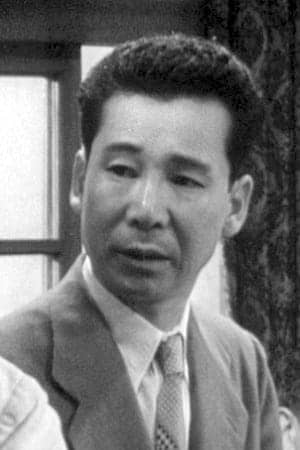
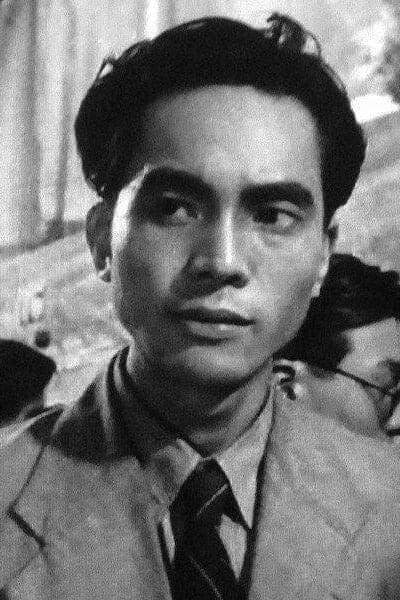
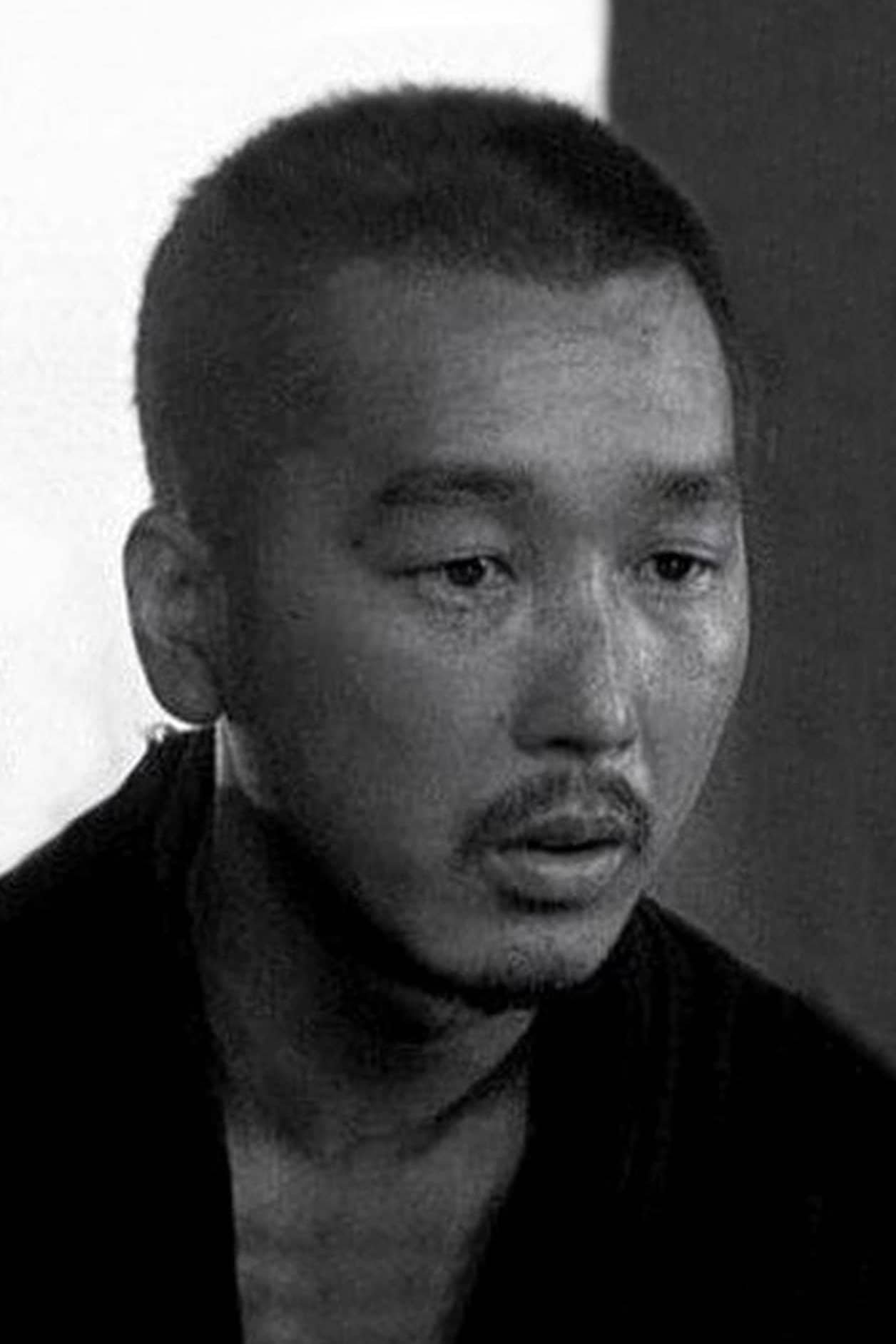
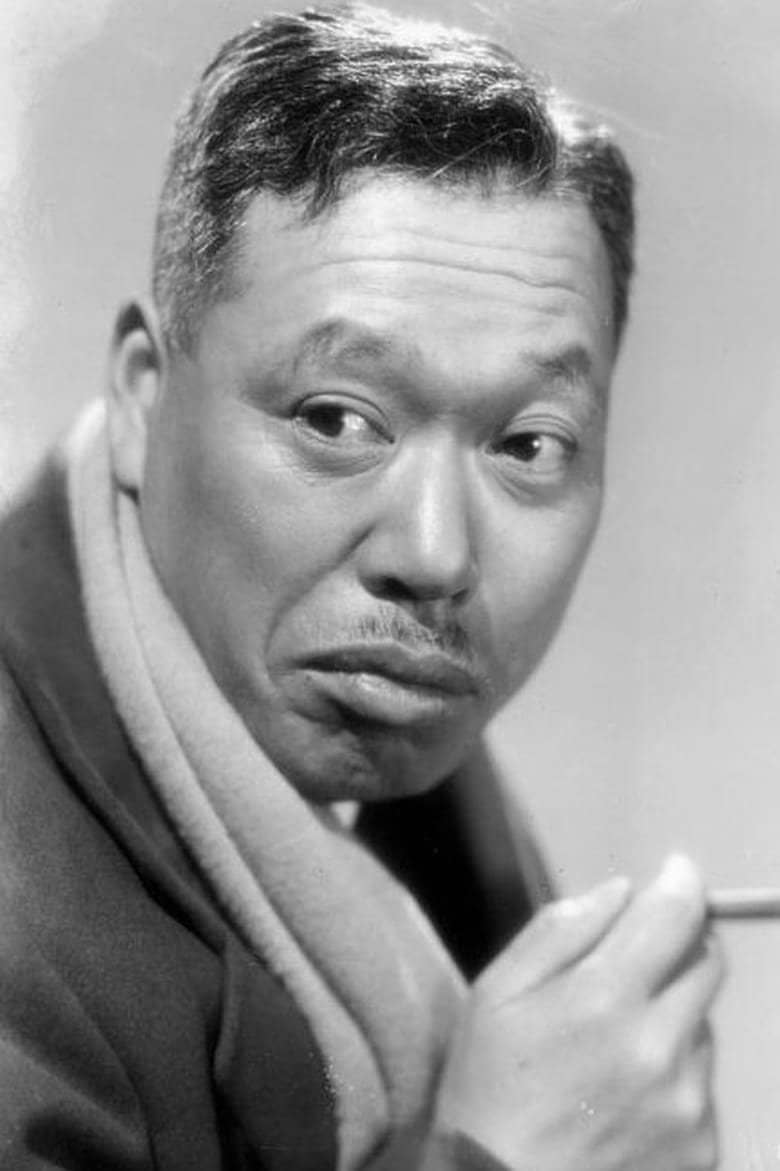
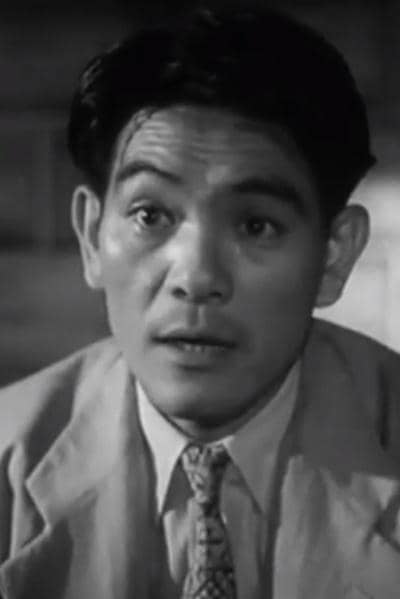
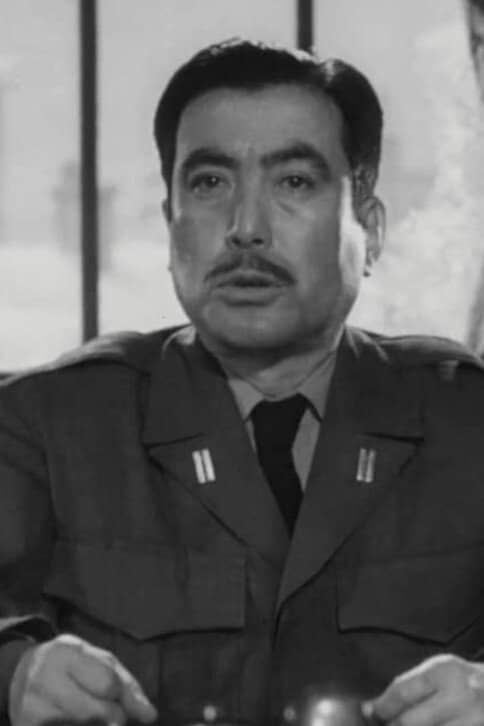
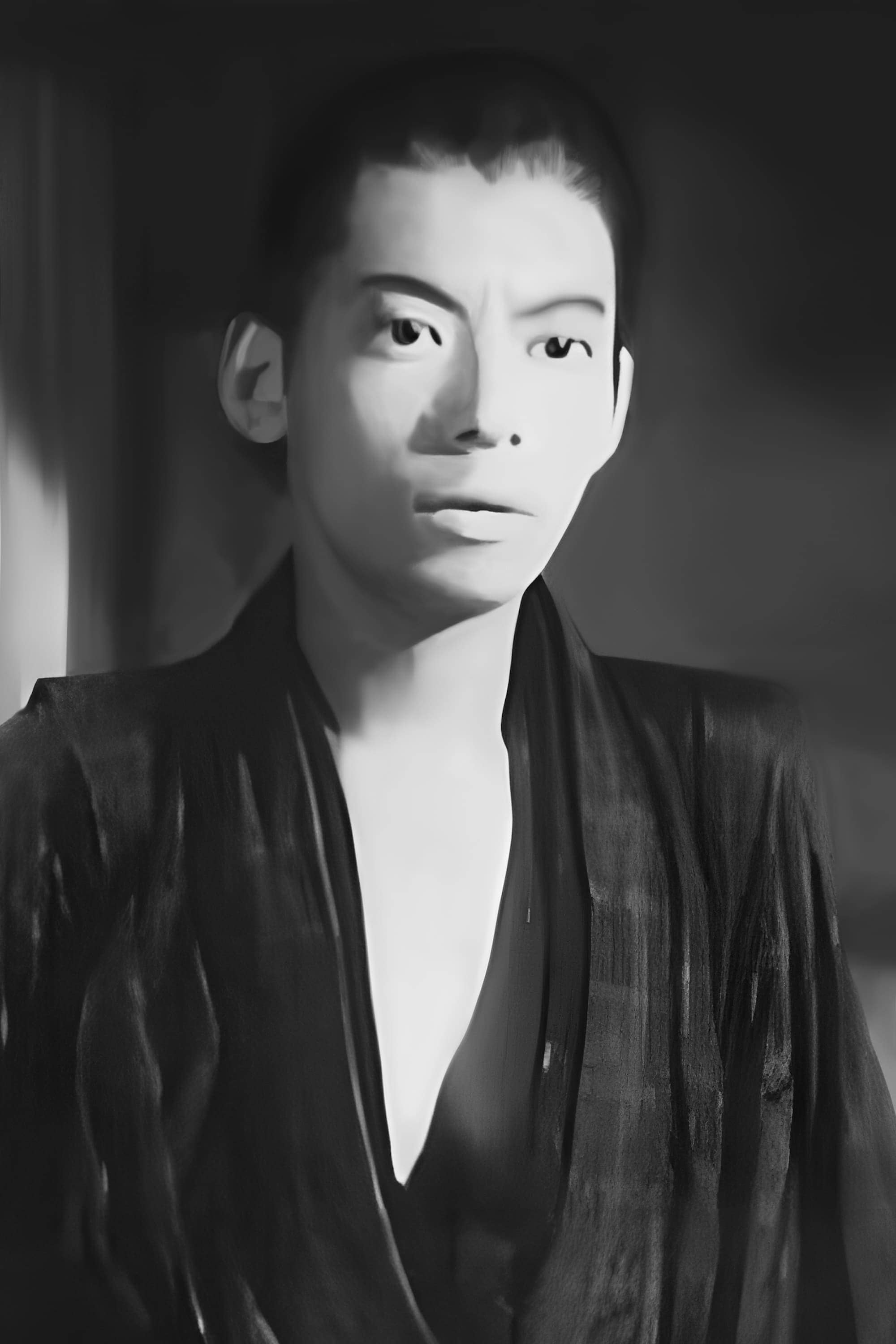
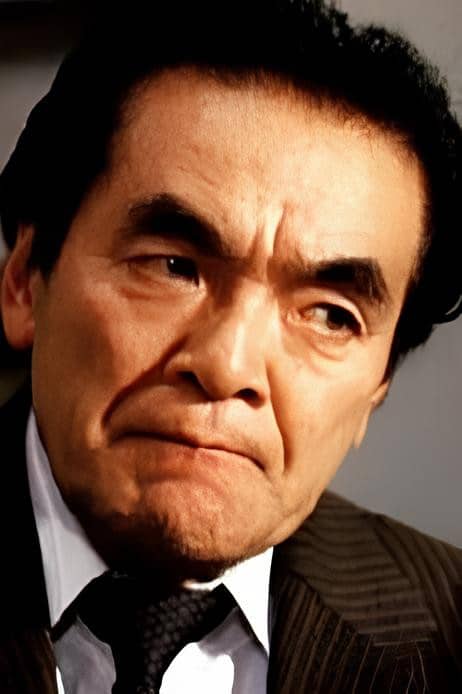
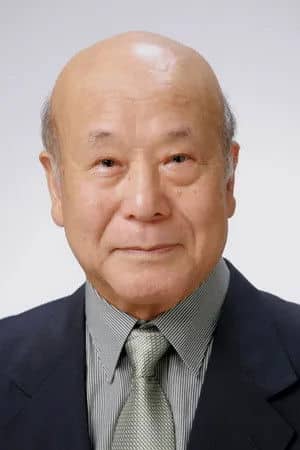
The cast of Throne of Blood includes Isuzu Yamada as Lady Asaji Washizu, Asao Koike as Tsuzuki soldier, Takeshi Katō as Guard killed by Washizu, Ikio Sawamura as Washizu soldier, Yutaka Sada as Washizu samurai, Yoshio Tsuchiya as Washizu samurai, Kamayuki Tsubono as Servant, Minoru Chiaki as Yoshiaki Miki, Takashi Shimura as Noriyasu Odagura, Sachio Sakai as Washizu samurai, Seijirô Onda as Miki party member #2, Senkichi Ōmura as Washizu samurai, and more.
The duration of Throne of Blood is 1h 48 mins.
Yes. You can watch the Throne of Blood trailer on this Fanbiz page on Fanziz.
Throne of Blood was released on 15 Jan 1957.
Throne of Blood is listed under Drama and History on Fanbiz.
Throne of Blood has 2 reviews on Fanziz, with an average rating of 7.5/10. One reviewer wrote: "I think that this is a superb tragi-adventure story that stands out well amongst the numerous loose adaptations of Shakespeare that have been made over the years. Kurosawa takes..."
