

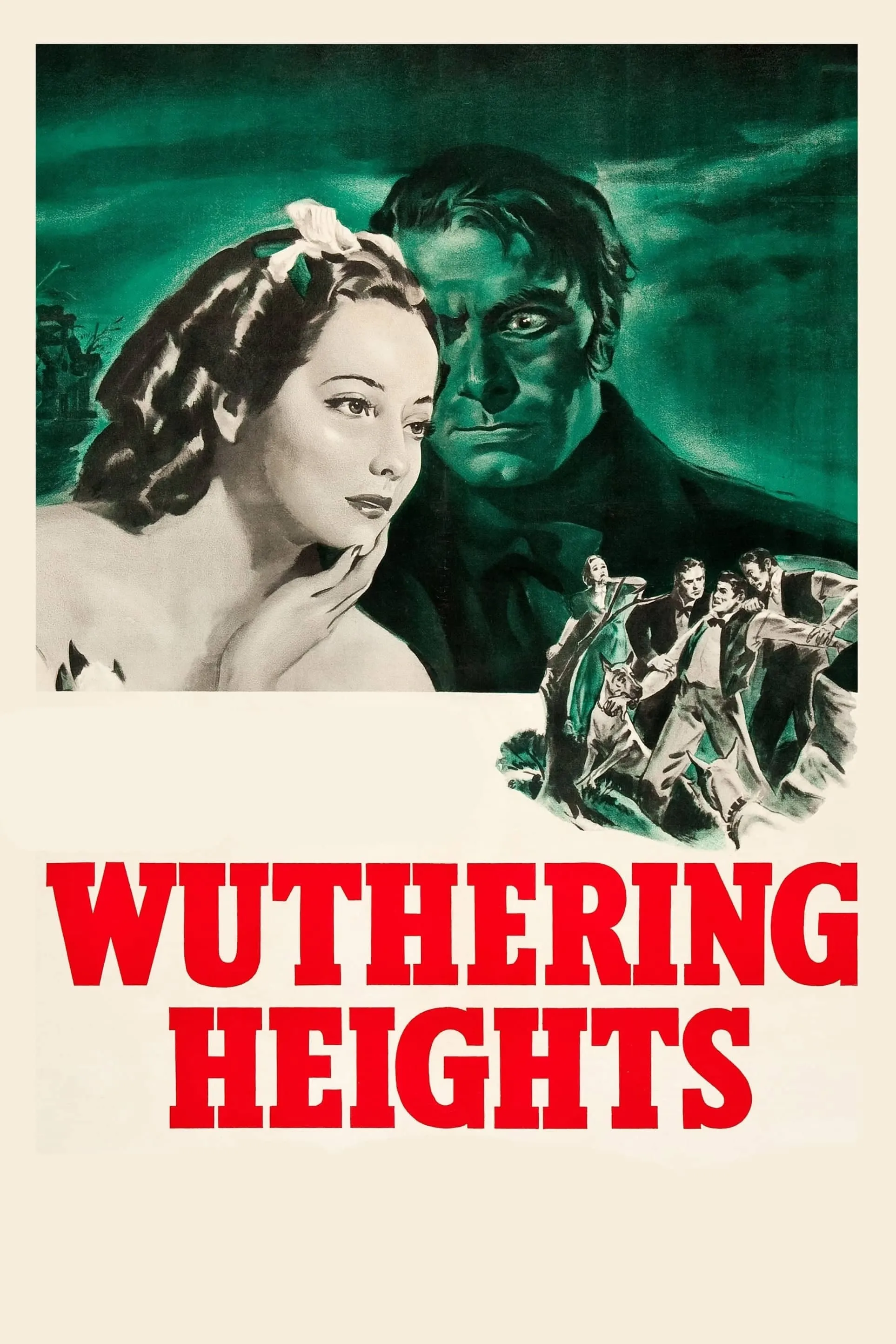
Wuthering Heights
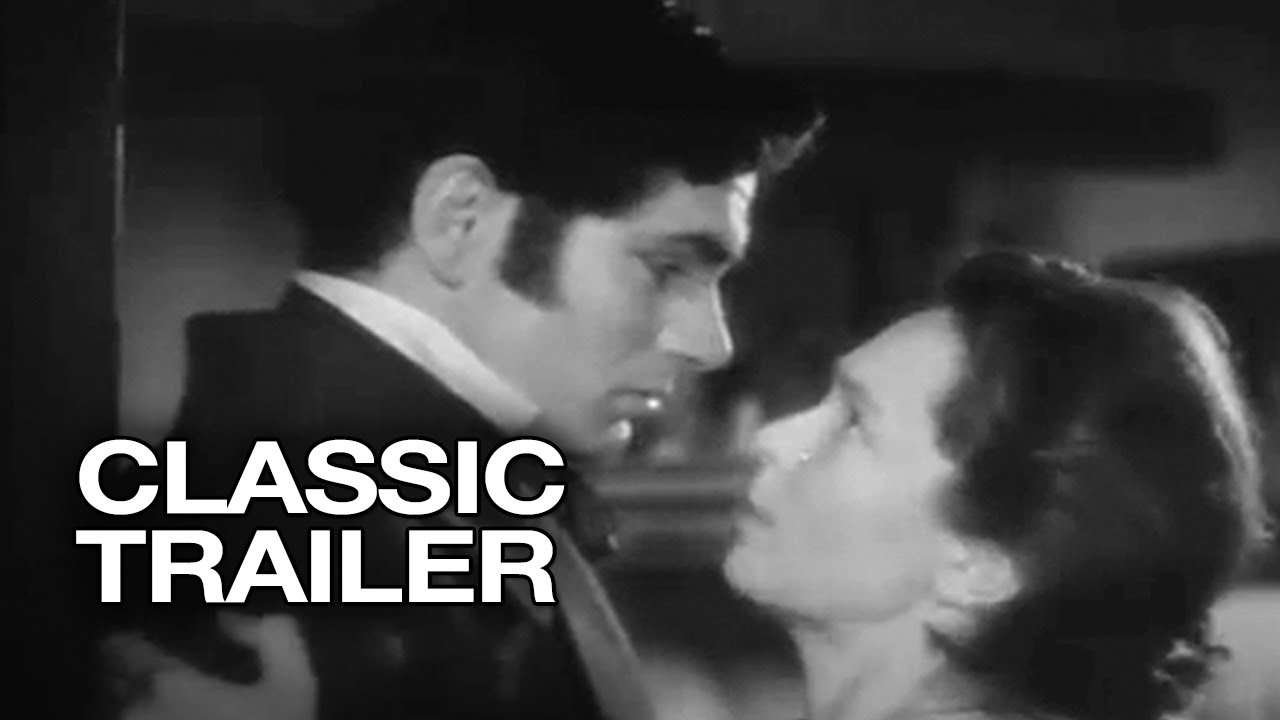
Young orphan Heathcliff is adopted by the wealthy Earnshaw family and moves into their estate, Wuthering Heights. Soon, the new resident falls for his compassionate foster sister, Cathy. The two share a remarkable bond that seems unbreakable until Cathy, feeling the pressure of social convention, suppresses her feelings and marries Edgar Linton, a man of means who befits her stature. Heathcliff vows to win her back.
Director(s)
William Wyler
Walter Mayo
Cast & Crew

Details

Reviews
John Chard
Cathy, Cathy, come in, Cathy come back to me. Wuthering Heights is directed by William Wyler and adapted to screenplay by Charles MacArthur & Ben Hecht from the novel of the same name written by Emily Bronte. It stars Merle Oberon, Laurence Olivier, David Niven, Geraldine Fitzgerald and Flora Robson. Music is scored by Alfred Newman and cinematography is by Gregg Toland. OK, so it's only a part of Bronte's classic novel, and yes some liberties have been taken, but Wuthering Heights is still a wonderfully involving picture. Expertly played by the actors and directed with adroitness, it's a haunting tale of tragedy, love and passions never to be sated. Moodily photographed by Toland, who won the Academy Award for Best Cinematography in the process, tale unfolds in flashback style that's aided by retrospect narration from Robson's wily house keeper Ellen Dean. Characters are perfectly formed as children, expanded upon into adulthood; with Olivier and Oberon coming into their own on the acting front, then the story reaches its denouement to leave the viewer flushed with emotion. All given dramatic impetus by Alfred Newman's sweeping score. 1939 was a stellar year for classic cinema, Wuthering Heights is deservedly a part of that upper echelon number. Brilliant. 9/10
CinemaSerf
I venture to suggest that this wonderfully evocative adaptation of Emily Brontë's classic story will never be surpassed. The novel is essentially a tale of lost love and the trio of Merle Oberon ("Cathy"), Laurence Olivier ("Heathcliffe") and David Niven ("Edgar") manage to encapsulate all the emotions of sadness, of bitterness and of despair superbly. "Heathcliffe" is the abandoned boy brought to the home of the wealthy "Earnshaw" family by Cecil Kellaway where he gradually falls in love with daughter "Cathy". When the old man dies, his son "Hindley" (Hugh Williams) inherits, treating "Heathcliffe" as little better than a servant before he eventually drives him away. When he returns wealthy, many years later, he discovers "Cathy" now married to the debonair, if rather dull, Niven. What happens now is the stuff of English literature at it's most enigmatically dramatic. Whilst the screenplay does skim over much of the detailed characterisations, and some of the sub-plot from the book, it nonetheless captures the spirit of the story in both an atmospheric and charismatic fashion - with Flora Robson at her melancholic best as the recounter of our tale. Oberon and Olivier are excellent at conveying the sense of distress and longing and the cinematography of the bleak, but liberating, Yorkshire Moors all contribute to an engrossing, really rather sad story.
All Trailers
Wuthering Heights FAQs
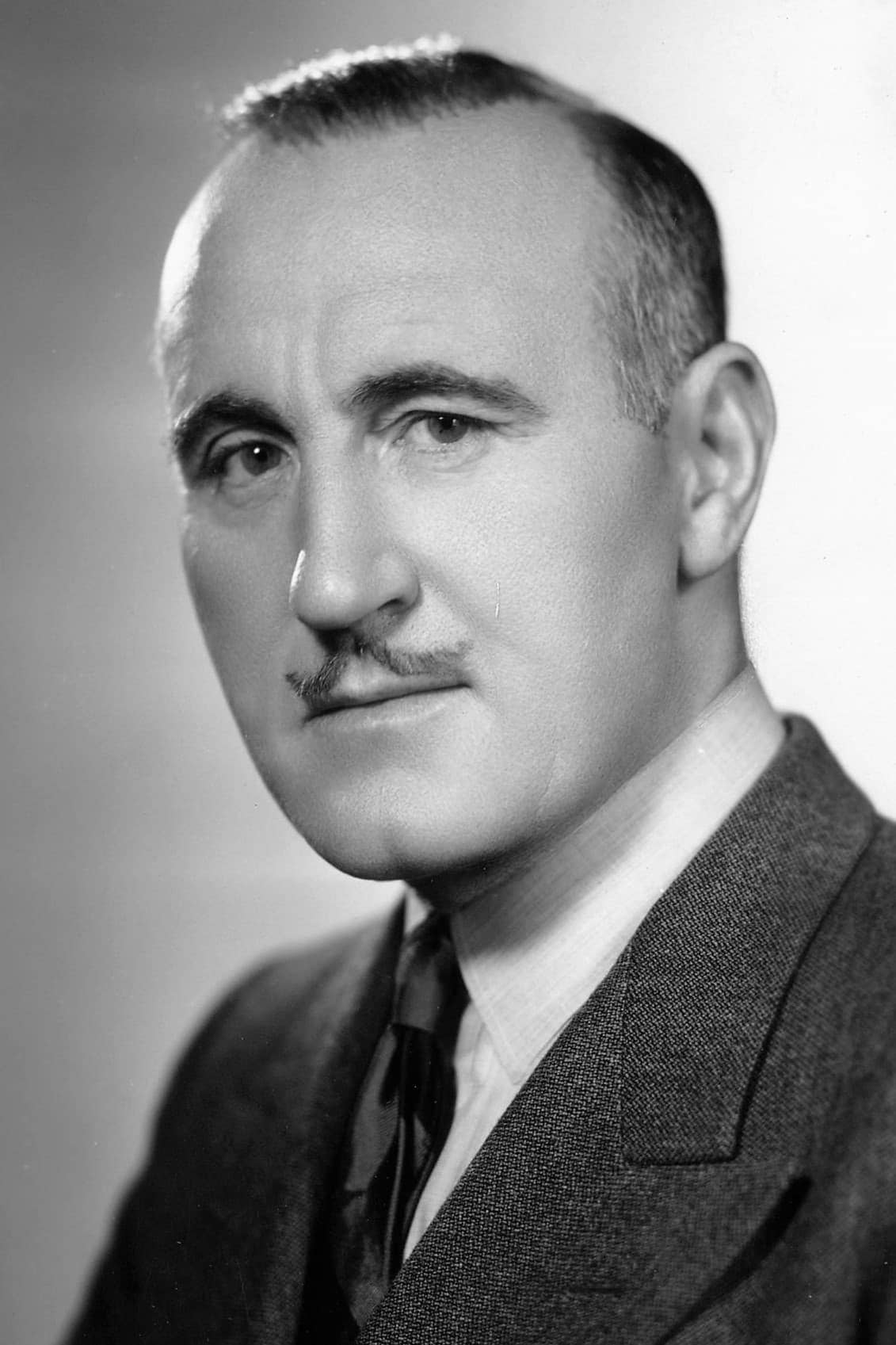
The directors of Wuthering Heights are William Wyler and Walter Mayo.
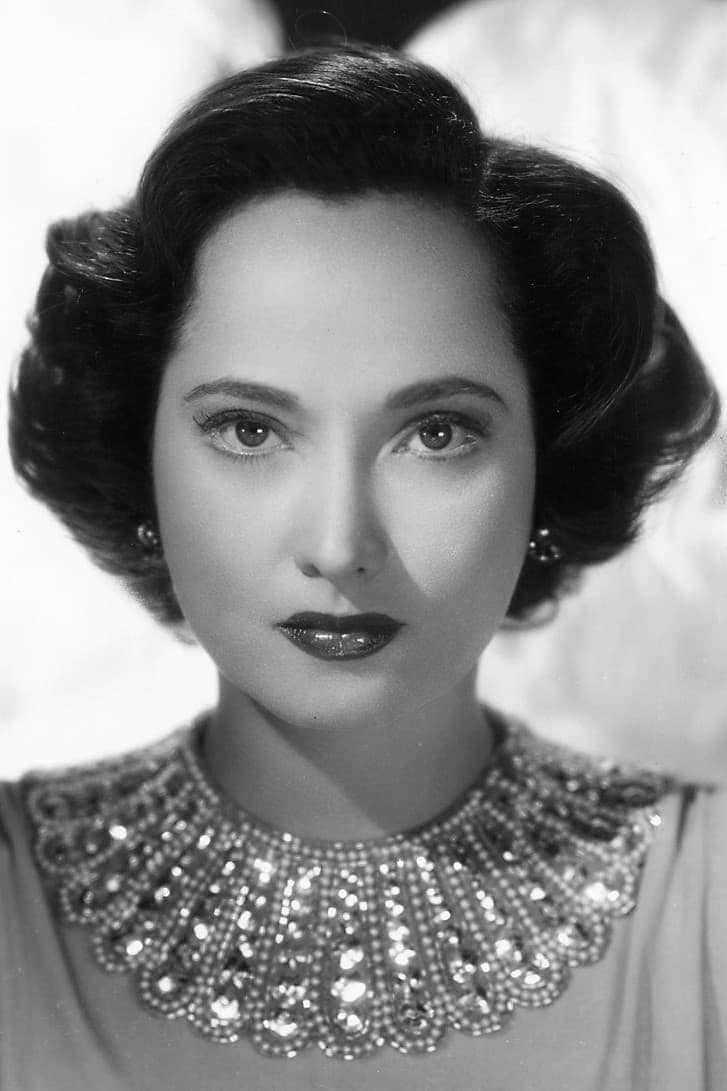
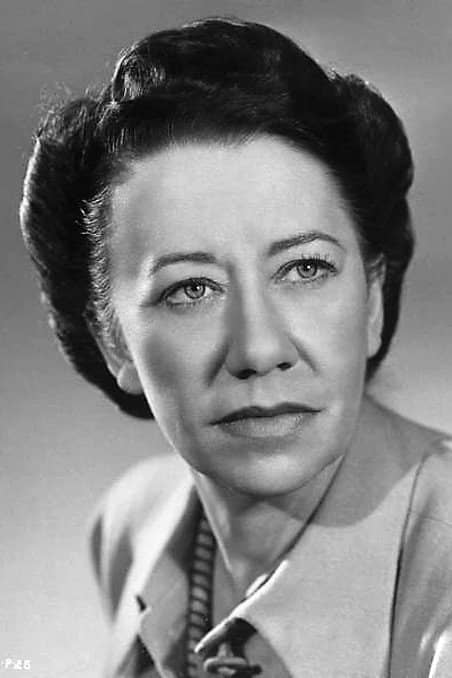
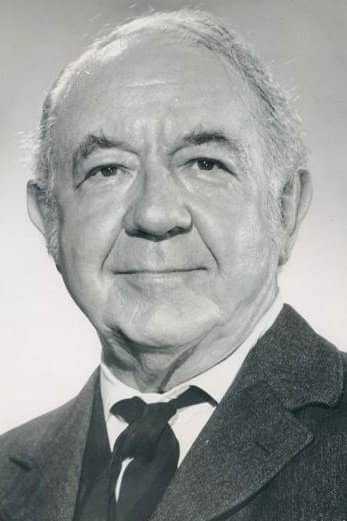
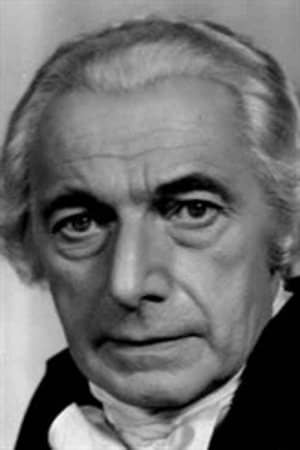
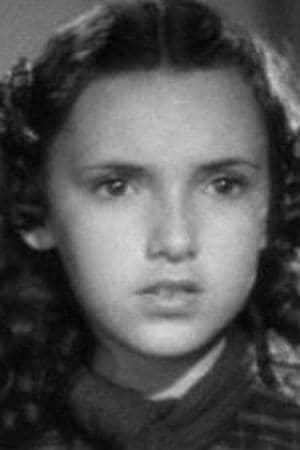
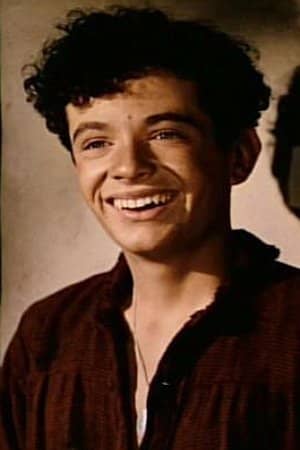
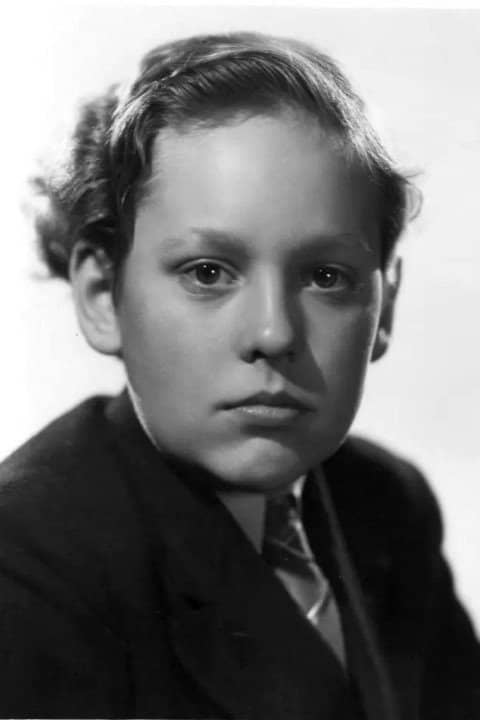
The cast of Wuthering Heights includes David Niven as Edgar Linton, Romaine Callender as Robert (uncredited), Miles Mander as Lockwood, Edmund Mortimer as Party Guest (uncredited), Peter Gowland as Dancer (uncredited), Eric Wilton as Linton Servant (uncredited), Laurence Olivier as Heathcliff, Leo G. Carroll as Joseph, Philip Winter as Cathy's Partner (uncredited), Hugh Williams as Hindley Earnshaw, Frank Benson as Heathcliff Servant (uncredited), Merle Oberon as Catherine 'Cathy' Earnshaw Linton, and more.
The duration of Wuthering Heights is 1h 44 mins.
Yes. You can watch the Wuthering Heights trailer on this Fanbiz page on Fanziz.
Wuthering Heights was released on 07 Apr 1939.
Wuthering Heights is listed under Drama and Romance on Fanbiz.
Wuthering Heights has 2 reviews on Fanziz, with an average rating of 8.5/10. One reviewer wrote: "Cathy, Cathy, come in, Cathy come back to me. Wuthering Heights is directed by William Wyler and adapted to screenplay by Charles MacArthur & Ben Hecht from the novel of the..."
