SportInfo

SportInfo

YoutubeTwitterInstagramFacebookLinkedinTelegram

2.5K

Articles

22.3K

Total Views

Articles

The Auction Price Hangover: Every IPL's Most Expensive Buy, and What Happened Next
Cricket

The Auction Price Hangover: Every IPL's Most Expensive Buy, and What Happened Next

There is a specific kind of pressure that exists in one cricket context: walking out to bat as the franchise's most expensive acquisition. Not as the best player in the squad. Sometimes not even close to the most experienced. Just as the one whose name anchored the auction room, whose price became a headline, and who now carries expectations rooted entirely in a number. Cameron Green felt this for the first time in IPL 2026, batting at No. 3 for KKR after the franchise paid Rs 25.20 Cr for him in December 2025. He is not bowling yet. Cricket Australia has him on a managed return from his fifth back stress fracture, titanium hardware recently implanted. He is, for now, purely a batter at Rs 25.20 Cr, batting at a position he has rarely occupied in international cricket, for a franchise facing a pace crisis that was supposed to involve him. Has the money been well spent? The question is not new. Every IPL since 2008 has produced one player who crossed the auction floor as the number that defined the entire event. Franchises have paid as little as $1.55 million in the USD era and as much as Rs 27 Cr in the mega-auction era, for players ranging from World Cup winners to injury-prone gambles whose risk was visible before the first practice session. The record across 18 completed auction years is not kind to the hypothesis that headline prices produce headline performances. This piece examines every entry in that record: who they were, what they were expected to deliver, and what Year 1 looked like. The Record: 18 Years, 18 Price Tags | Year | Player | Franchise | Price | Role | Year 1 Output | Verdict | |------|--------|-----------|-------|------|---------------|---------| | 2008 | MS Dhoni | CSK | $1.5M (~Rs 6.5 Cr) | WK-Batter | 414 runs, 16M, avg 34, SR 128; CSK reached final | LIVED UP | | 2009 | Andrew Flintoff* | CSK | $1.55M (~Rs 7.7 Cr) | All-rounder | 3M, 62 runs, 2 wkts; knee surgery, sent home | BUST | | 2010 | Kieron Pollard† | MI | $2.75M (tiebreaker) | All-rounder | ~321 runs, SR ~154; strong debut season | LIVED UP | | 2011 | Gautam Gambhir | KKR | Rs 14.9 Cr | Opener | 378 runs, 15M, avg 34.36, SR 119.2; playoffs | LIVED UP | | 2012 | Ravindra Jadeja | CSK | Rs 12.8 Cr | All-rounder | 87 runs, 11 wkts; CSK won IPL (not their engine) | UNDERDELIVERED | | 2013 | Glenn Maxwell | MI | Rs 6.3 Cr | All-rounder | ~201 runs, limited XI time; MI won IPL | UNDERDELIVERED | | 2014 | Yuvraj Singh | RCB | Rs 14 Cr | Batter | 376 runs, avg ~30, SR ~136; RCB missed playoffs | UNDERDELIVERED | | 2015 | Yuvraj Singh | DD | Rs 16 Cr | Batter | 248 runs, avg ~23; DD 6th of 8 | BUST | | 2016 | Shane Watson | RCB | Rs 9.5 Cr | All-rounder | 179 runs, 9 wkts; Kohli's 973 runs made Watson a footnote | UNDERDELIVERED | | 2017 | Ben Stokes | Rising Pune SG | Rs 14.5 Cr | All-rounder | 316 runs SR 142.9, 12 wkts; IPL MVP, RPS in final | LIVED UP | | 2018 | Ben Stokes | RR | Rs 12.5 Cr | All-rounder | 196 runs avg ~17, 8 wkts; inconsistent, RR made playoffs | UNDERDELIVERED | | 2019 | Jaydev Unadkat | RR | Rs 8.4 Cr | Fast bowler | ~6 wkts in 8-10M, econ ~9.65; dropped mid-season | BUST | | 2020 | Pat Cummins | KKR | Rs 15.5 Cr | Fast bowler | 12 wkts, econ ~8.4; KKR 5th, missed playoffs | UNDERDELIVERED | | 2021 | Chris Morris | RR | Rs 16.25 Cr | All-rounder | 15 wkts, 11M, econ ~8; RR 7th of 8 | UNDERDELIVERED | | 2022 | Ishan Kishan | MI | Rs 15.25 Cr | WK-Batter | 418 runs, SR ~132; MI finished last | UNDERDELIVERED | | 2023 | Sam Curran | PBKS | Rs 18.5 Cr | All-rounder | 10 wkts, 14M, econ ~9.78; PBKS 8th | UNDERDELIVERED | | 2024 | Mitchell Starc | KKR | Rs 24.75 Cr | Fast bowler | 17 wkts, econ 10.61; KKR won title, Starc inconsistent | PARTIAL | | 2025 | Rishabh Pant | LSG | Rs 27 Cr | WK-Batter | 269 runs, avg 24.45, SR 133.16; LSG 7th | UNDERDELIVERED | | 2026 | Cameron Green | KKR | Rs 25.20 Cr | All-rounder | IPL 2026 in progress | TBD | *2009 joint: Kevin Pietersen (RCB) was also $1.55M. He scored ~287 runs but RCB underperformed; verdict: UNDERDELIVERED. †2010 auction capped official prices at $750K each; tiebreaker bids revealed Pollard's genuine valuation at $2.75M.

Case Studies Andrew Flintoff, 2009, CSK: $1.55 Million, Three Matches, Two Wickets The number was $1.55 million. The return was 62 runs across three innings, two wickets, and a knee that required surgery before the halfway point of the tournament. CSK paid joint-record price for Flintoff at the 2009 IPL auction in February, fully aware that he had undergone four surgeries between 2007 and 2008. His ankle and knee injuries were among the most documented in English cricket. He played only 13 of England's 36 Test matches across 2007 to 2009. Flintoff was a calculated gamble that failed at the first contact with competitive cricket. Franchises make this mistake for a structural reason. At an auction, you are buying a name on a day when hype is the primary driver. What Flintoff represented in February 2009 was destructive swing bowling and an aura that terrified batsmen. That was worth $1.55 million at the level of reputation. CSK needed performance, and Flintoff lasted three matches before the knee collapsed. IPL 2009 was held in South Africa due to India's general elections. Flintoff played three matches before being sent home. On a per-match basis, CSK spent roughly Rs 2.6 Cr per appearance at 2009 conversion rates. CSK reached the semi-finals without their headline buy. Jacob Oram, who cost a fraction of Flintoff's price, delivered 12 wickets at economy 6.75 across the tournament. The franchise's other decisions absorbed the Flintoff failure. But absorption is not a strategy. It was the exception. Gautam Gambhir, 2011, KKR: The One Who Changed the Franchise The most expensive player in IPL history at that point went to the most chaotic franchise in the league. KKR had finished sixth, eighth, and sixth in their first three IPL seasons. Their dressing room was a well-documented dysfunction, Shah Rukh Khan's visible emotion at matches either a distraction or a mirror for the squad depending on whom you asked. Gambhir cost Rs 14.9 Cr in 2011, the first player to clear Rs 14 Cr at auction. He delivered 378 runs in 15 matches at average 34.36, strike rate 119.2, with two fifties. KKR reached the playoffs for the first time in franchise history. In 2012, Gambhir captained them to their maiden IPL title, scoring approximately 590 runs in 17 matches while dismantling CSK in the final. Gambhir separated himself from most headline buys through more than batting. He arrived at KKR and restructured what being a KKR player meant. The franchise needed a senior figure in the dressing room who would change the culture before changing the scoreboard. Gambhir had batted India to the 2007 T20 World Cup title (75 in the final) and played the anchor innings in the 2011 ODI World Cup final (97 runs while Dhoni finished with 91*). He understood how to hold a batting order under pressure. At No. 1 in IPL 2011, he built innings consistently when others were collapsing. The Rs 14.9 Cr tag was expensive in 2011 terms. Across IPL 2011 and 2012 combined (one playoff appearance and one title), it was among the best two-year returns of any IPL auction buy: 378 runs in Year 1, a culture shift, an IPL trophy the year after. Ben Stokes, 2017, Rising Pune Supergiant: The Exception That Proves the Rule What does a Test match specialist do in a T20 franchise, playing a format his coaches consider secondary, against bowlers who have specifically prepared to stop his most destructive shots? In Ben Stokes's case at Rising Pune Supergiant in IPL 2017, the answer was 316 runs at strike rate 142.9, 12 wickets, an IPL Most Valuable Player award, and a place in the final. RPS lost to Mumbai Indians by exactly 1 run. Stokes arrived at IPL 2017 as the most expensive overseas buy of that auction cycle at Rs 14.5 Cr. The conventional analysis was sceptical: he was primarily known for Test cricket, he bowled seam-up and struggled in T20 conditions against quality spinners, his strike rate at international T20 level was solid but unspectacular. The Rs 14.5 Cr looked like reputation pricing. Stokes's specific skill set was unusually well-fitted to franchise T20 in overs 12 to 18. He had the strength to clear the boundary against pace and the technique to work spinners into gaps. His 103* against Gujarat Lions (63 balls, 7 fours, 6 sixes, including consecutive maximums in the 19th over) was calculated destruction, not a fluke shot-making session. His bowling in IPL 2017 was effective at a level that his overseas T20 numbers had not predicted. 12 wickets at economy around 8.5, in a tournament where the average economy sat near 9, made him tactically useful beyond his batting. Stokes succeeded in 2017 because there was a precise skill match between the role RPS bought him for and the role he occupied. His 2018 RR season (Rs 12.5 Cr, 196 runs at average 17, 8 wickets, inconsistent) shows how quickly the same player can revert to the pattern when injuries disrupt him and role confidence drops. The franchise needed the 2017 version. They got the 2018 reality. Both years, he was the most expensive player at auction. Only one year did he justify it. The difference was role clarity and fitness. Jaydev Unadkat, 2019, Rajasthan Royals: The Repeat Error In the 17th over of a chase RR needed to win, Unadkat conceded 14 runs off his penultimate over: a short ball pulled for six, a wide, a full toss miscued for four. By that point in IPL 2019, this was the expected version of him. Two years earlier, Unadkat had been the second-highest wicket-taker in the IPL: 24 wickets in 12 matches for Rising Pune Supergiant, average 13.41, economy 7.02. That season made him a market-warping commodity. RR paid Rs 11.5 Cr for him at the 2018 auction (most expensive Indian player at that auction) and received 11 wickets in 15 matches at average 44.18, economy approximately 9.7. Rajasthan made the playoffs despite him, not because of him. Then they did it again. Rs 8.4 Cr at the 2019 auction (joint-most expensive in a mini auction), same player, demonstrably the same pattern already established. The result: approximately 6 wickets in 8 to 10 matches, economy around 9.65, dropped mid-season. The 2017 performance for RPS was built on a specific team context. Stokes and others kept pressure at the other end. Unadkat bowled with a defensive field that exploited his movement. Neither element transferred to RR. His 2017 numbers were real, but they were contextual in a way neither franchise that subsequently paid for them accounted for. Between 2018 and 2019, RR invested Rs 19.9 Cr across two auctions in Unadkat. They received 17 combined wickets at an average cost of Rs 1.17 Cr per wicket. For reference, Jasprit Bumrah's entire 2020 retention cost Rs 12 Cr. Mitchell Starc, 2024, KKR: When the Team Wins and the Individual Doesn't Starc's economy in the 2024 IPL league stage was 11.36. Among KKR's bowlers with meaningful overs, that was the worst. His overall tournament economy of 10.61 was the worst of his IPL career. He had not played IPL cricket since 2015, nine years earlier, when he was a different bowler at a different stage of his career with RCB. KKR paid Rs 24.75 Cr to break the IPL auction record in December 2023. They received 17 wickets in 14 matches. The raw number was fine. The context was more complicated. His two four-wicket hauls were contributions. The league-phase economy made every Starc over an event for the wrong reasons. KKR won the 2024 IPL. Their title campaign was driven by Varun Chakravarthy's 21 tournament wickets and control through the knockouts, Sunil Narine's batting (nearly 490 runs at strike rate above 180), and Andre Russell's death-over explosions. Starc delivered when it mattered in the semi-final and final. His Qualifier 1 and Final spells were effective. Whether that makes Rs 24.75 Cr justified depends on which lens you use. The Starc case splits into two readings. On individual metrics across the full tournament, he underdelivered relative to his price. On team outcome, the franchise won the IPL. Starc was not worth Rs 24.75 Cr as a standalone performer. The team that contained him won everything. Across the 18 completed auction years in this dataset, four players lived up to their price tag. Starc is not one of them on the individual metrics test. He may be the cleanest example that individual metrics alone are the wrong way to read a franchise sport. Cameron Green, 2026, KKR: The All-Rounder Pattern Arrives Again Green made his way to Rs 25.20 Cr as the biggest hitter in Australian white-ball cricket and a seam bowler who could take powerplay wickets. The all-rounder every IPL franchise pretends it needs. He was the natural headline at a mini auction where KKR spent Rs 64.30 Cr in total (more than any other franchise), rebuilding around his expected role. The problem is the spine. Green had his fifth back stress fracture in October 2024. The surgery involved titanium hardware. He missed the entire BBL 2024-25 season. Cricket Australia is managing his bowling return and confirmed he will not bowl in his first IPL 2026 matches. A resumption is expected within 10 to 12 days of his debut. KKR are batting him at No. 3. That is a high-pressure position for any batter, made more so when you are the franchise's most expensive purchase and the team needs bowling cover you cannot yet provide. The pattern he is entering is specific. Of the eight headline auction buys classified as all-rounders before him (Flintoff, Jadeja, Maxwell, Watson, Stokes twice, Morris, Curran), one delivered in Year 1. That was Stokes 2017, who was fit, in form, and in a role matched to his skill set. Green needs to clear three gates to join Stokes as an exception. His back needs to hold up through 14 matches of batting and 4-over bowling spells. His batting at No. 3 needs to produce 400+ runs at strike rate 140+, because that is the standard KKR's position and price require. When he starts bowling, he needs economy below 9, the performance level that justifies using him as a fifth-bowling option rather than a cameo. If he clears all three, he joins Gambhir 2011 and Stokes 2017 as the handful of players who walked into a franchise with a record price and made it look reasonable. KKR will know which direction this is heading by the time they reach the halfway mark of the league stage. The Verdict: Does the Curse Hold? Across 18 completed auction years, four headline buys lived up: MS Dhoni in 2008, Kieron Pollard in 2010, Gautam Gambhir in 2011, and Ben Stokes in 2017. Fourteen did not. That is a 78% underdelivery rate. If you count Starc as partial (team won, individual metrics poor), the number rises to 15 of 18. The auction price hangover is a structural pattern, not a coincidence. The pattern is not uniform. Four dimensions explain where the failures concentrate. The role-type breakdown is the sharpest finding. Nine of the 18 headline buys were classified as all-rounders. This is the role franchises pay the most to acquire and the role that most reliably disappoints. Of those nine, only Stokes in 2017 delivered. Eight out of nine all-rounder headline buys underdelivered or busted in Year 1. That is an 11% success rate for a role type that commands IPL's highest prices. The franchise logic (buy someone who contributes in multiple departments, multiply your return) consistently collides with the reality that dual-role performance is the hardest outcome to reproduce across franchise transitions. The era comparison is the second useful finding. Before 2015, across the first seven auction years, three of seven headline buys lived up: Dhoni, Pollard, Gambhir. A 43% success rate. Flintoff was the bust; Jadeja and Maxwell underdelivered at lower prices. In the post-2015 era, across 11 auction years with prices escalating from Rs 9.5 Cr to Rs 27 Cr, one player justified the headline price in Year 1: Stokes in 2017. The other 10 underdelivered or busted. A 9% success rate. Worse players are not the explanation. Rishabh Pant at Rs 27 Cr was the best wicketkeeper-batter in Indian cricket. Sam Curran at Rs 18.5 Cr had just been T20 World Cup Player of the Tournament. The inflation in prices has outpaced the improvement in individual returns, and the bidding wars that produce auction records appear to disconnect price from performance probability more severely than in the tournament's early years. Nationality is a weaker predictor than role or era. Both overseas and domestic players have approximately equal success rates in this dataset. The domestic failures (Yuvraj 2015, Unadkat 2019, Pant 2025) are as pronounced as the overseas failures. The acclimatisation theory does not hold as the primary explanation. What the four successful cases share is specificity. Dhoni arrived at CSK and was immediately the franchise's captain, wicketkeeper, and batting anchor. Every role matched what he had been doing at international level. Pollard at MI was younger and more athletic than any other T20 player in the world in 2010; the format was built for him. Gambhir at KKR was there to transform a culture, and he did. Stokes at RPS in 2017 had a role (impactful middle-order bat and death-phase bowler) that matched his T20 capability. In each case, the franchise bought specifically and received specifically what they paid for. The fourteen failures involved some combination of injury history ignored (Flintoff), format demands underestimated (Stokes 2018), role mismatch (Maxwell as a backup at MI, which already had Rohit and Tendulkar), or expectations outpacing a player's T20 ceiling (Pant 2025, who scored 118* in the final match of a 269-run season). What It Means for Cameron Green Green's profile matches the underperformance archetype in three of four dimensions: he is an all-rounder (9 headline buys, 1 success), he is in the post-2015 era (11 headline buys, 1 success), and his injury history is the kind that should have moderated bidding but did not. The fourth dimension, specificity of role, remains uncertain. KKR batting him at No. 3 is an experiment that may or may not match where his IPL-level batting is. The scenarios that produce a Gambhir/Stokes 2017 outcome look like this: Green's back holds through the full tournament, he develops a relationship with the No. 3 position across the first six matches, and when he starts bowling he takes 8 to 10 wickets at economy under 9 by season end. Under those conditions, 400+ runs and 8+ wickets for a KKR that reaches the playoffs would make Rs 25.20 Cr defensible. Not comfortable, but defensible. The scenario that produces Stokes 2018 looks like this: bowling managed conservatively to protect the spine, batting average around 22 to 25, and a recurring question about whether KKR's strategy has been built around a player who can only contribute in one discipline. He was bought as an all-rounder. If the back limits him to pure batting, the price becomes impossible to justify against what a specialist batter of similar quality would have cost. By the time KKR have played their 10th match of IPL 2026, the outline of which scenario is playing out will be clear. The auction price hangover has taken 14 of 18 headline buys. Whether Green becomes the fifth exception in 19 years, or the 15th who didn't, is a question his spine will answer before his batting does.

Read Article
Unsold to Unstoppable: Five IPL Players Who Were Ignored at Auction, Signed as Replacements, and Won Man of the Match
Cricket

Unsold to Unstoppable: Five IPL Players Who Were Ignored at Auction, Signed as Replacements, and Won Man of the Match

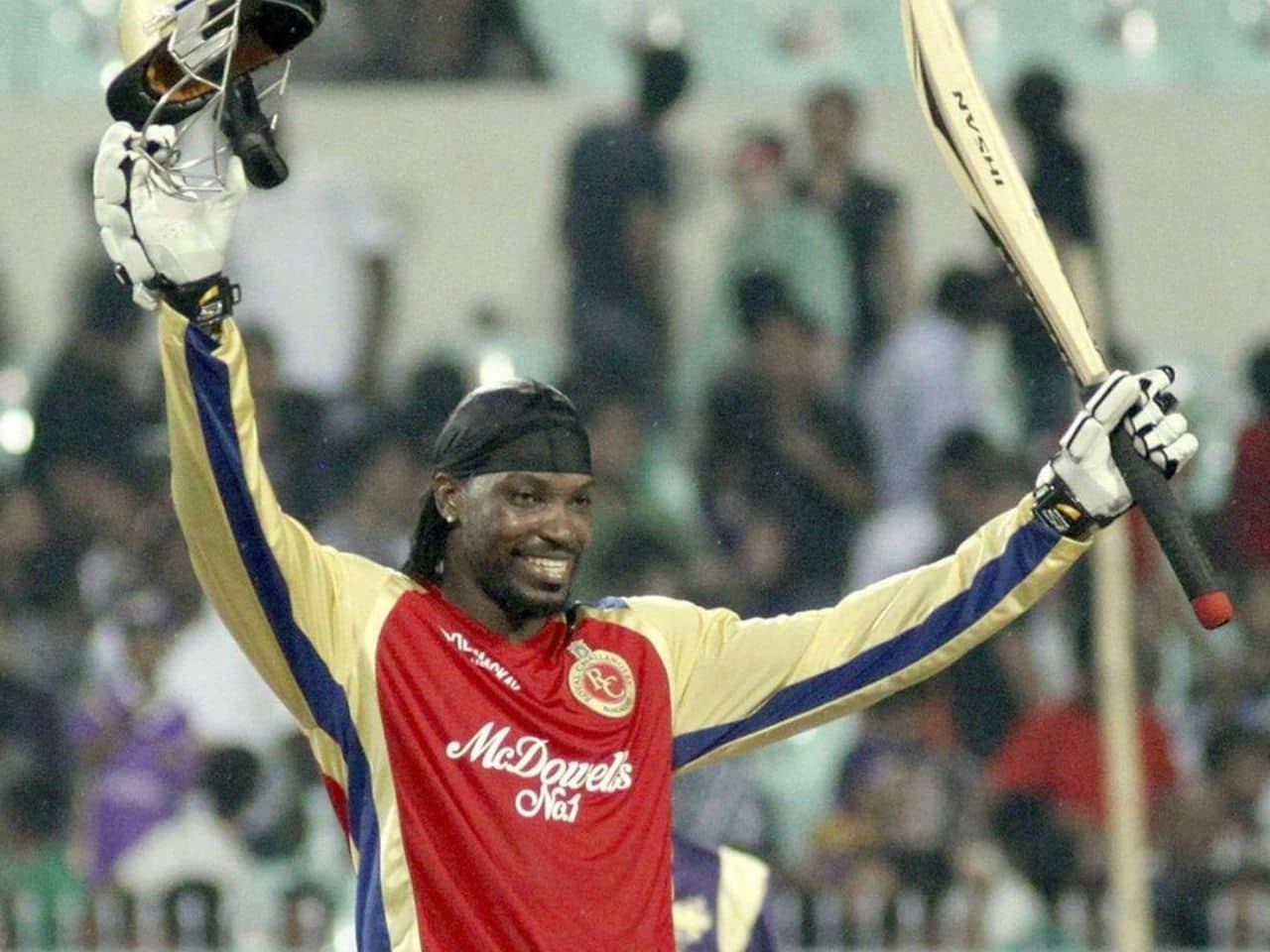
Every franchise in the IPL auction room has analysts, scouts, and season budgets committed to identifying impact players. When the hammer falls with zero bids on a player, that is not one franchise making a bad call. It is the collective judgment of the most resource-heavy cricket ecosystem in the world. This list applies a three-part filter to measure how often that collective judgment failed. The qualifier: officially unsold at auction (presented in the room and passed over, not traded, retained, or absent), then signed mid-season under the IPL replacement clause, then winning Man of the Match in that same season. Five players have cleared all three bars across 18 seasons of IPL cricket. The most famous case is last. It contains a correction most people don't know. Here are 5 cricketers who went unsold at IPL auction, but later came back and won Player of the Match award 5: Shardul Thakur, IPL 2025, Lucknow Super Giants The auction logic for a 33-year-old seamer who had posted economies above 9.00 in his previous two IPL campaigns is uncomplicated: pass. All ten franchises at the 2025 mega-auction reached the same conclusion when Thakur's name came up at a ₹2 crore base price. Lucknow Super Giants, three weeks into the season, made a different calculation. LSG signed Thakur to replace Mohsin Khan, ruled out with an ACL tear before the tournament was three games old. Against Sunrisers Hyderabad on March 27, 2025, Thakur bowled six overs for 34 runs and four wickets. He dismissed Abhishek Sharma, Ishan Kishan, Abhinav Manohar, and Mohammed Shami in the same spell. Player of the Match. Mohsin Khan had taken 16 wickets in IPL 2024 at an economy of 8.52 (per ESPNcricinfo). Thakur's economy on debut for LSG: 5.67. That same evening marked Thakur's 100th IPL wicket. Fewer than 30 bowlers have reached that milestone across 18 seasons of the competition (per ESPNcricinfo). His 100th came in the same match that ten franchises had decided he was not worth ₹2 crore. 4. Phil Salt, IPL 2024, Kolkata Knight Riders Six days before the 2024 IPL auction, Phil Salt scored 119* at Bridgetown and 87 at Providence in consecutive T20 internationals against the West Indies. No franchise placed a bid. KKR signed Salt as replacement for Jason Roy, who withdrew for personal reasons before the tournament. On April 14, 2024, at Eden Gardens against LSG, Salt scored 89* off 47 balls (SR 189.36). He and Sunil Narine (54 off 17 balls) shared an opening stand of 91 as KKR won by 98 runs [VERIFY]. Man of the Match. Salt finished the 2024 season with 435 runs at a strike rate of 182.01 as KKR won the title (per ESPNcricinfo). At the 2025 auction, Delhi Capitals paid ₹11.5 crore for him. Twelve months earlier, no franchise had been willing to pay his base price. 3: Hashim Amla, IPL 2016, Kings XI Punjab At the 2016 IPL auction, Hashim Amla was listed at a ₹1 crore base price. His credentials at that point: a Test average above 46 across 9,282 runs, an ODI average above 50, and 55 international centuries. Cricket Country's auction coverage confirmed him among the unsolds alongside Martin Guptill and Usman Khawaja. His IPL record, though, was modest: 254 runs in 11 matches for SRH in 2014 at a strike rate of 114.93. Franchises treated that as the primary data point. Kings XI Punjab signed Amla mid-season to replace Shaun Marsh, sidelined with a back injury after 54 runs in three matches. KXIP's opening batters were averaging 18 runs per appearance before Amla arrived. Against Sunrisers Hyderabad in Match 46 on May 15, 2016, Amla scored 96 off 56 balls (SR 171.42). Man of the Match, confirmed by IPLT20 official records. He scored a second century that season against Gujarat Lions. Amla's full 2016 tally: 577 runs in 16 matches, two centuries and three fifties. That was 10.6 times what Marsh had contributed before his injury. At the 2018 IPL auction, Amla went unsold again. Franchises had watched him score 577 runs as a replacement and still declined to bid. 2: Rajat Patidar, IPL 2022, Royal Challengers Bangalore The 54th ball of Rajat Patidar's innings at Eden Gardens on May 25, 2022 was a six off Mohsin Khan into the Kolkata evening. His 112* off 54 balls was the first century by an uncapped player in IPL playoff history. It won the Eliminator for RCB by 14 runs. Three months before that innings, the entire 2022 mega-auction had gone by without a single franchise bidding on him. Patidar had scored 410 runs in the 2021-22 Vijay Hazare Trophy, including 112 off 74 balls against Baroda, before arriving at the mega-auction with a ₹20 lakh base price. No bid came. RCB, the franchise that eventually signed him, also passed. The club then brought him in as a replacement for Luvnith Sisodia, a wicketkeeper ruled out with a knee injury, at the identical ₹20 lakh fee (per IPLT20.com). RCB replaced a keeper with an opener. His Eliminator innings against an LSG attack of Avesh Khan, Mohsin Khan, and Dushmantha Chameera: 12 fours, 7 sixes, SR 207.40. LSG had posted 168/6. Official MOM confirmed by IPLT20. Sisodia, the player Patidar replaced, has not appeared in an IPL playoff. Patidar scored a century in one on a ₹20 lakh signing fee. 1: Chris Gayle, IPL 2011, Royal Challengers Bangalore RCB's 2011 IPL campaign was built without Chris Gayle. The auction record confirms it. At the January 2011 auction, Gayle was listed at $400,000 base price. Every franchise in the room passed. RCB passed. Gayle sat through the entire auction without a single bid from any of the ten teams. The vacancy that brought him in belonged to a fast bowler. Dirk Nannes, the Australian seamer RCB had purchased, suffered a side strain before the season. RCB signed Gayle at $650,000 as replacement, swapping a pace bowler slot for an overseas opener (per ESPNcricinfo). On April 22, 2011, at the M. Chinnaswamy Stadium against Kolkata Knight Riders, Gayle made his first appearance: 102* off 55 balls, 6 sixes, 9 fours. Man of the Match. He won four more MOM awards that season, finished top of the Orange Cap standings, and was named Player of the Tournament (per ESPNcricinfo). Chris Gayle's 175*, struck off 66 balls on April 23, 2013, remains the highest score in IPL history. That innings came two full seasons later, when Gayle was RCB's retained player. He had been retained because of the 2011 replacement season. The 175* is the more famous innings. The 102* on debut, scored by a player no franchise had bid for, is the one that proved the auction room wrong. RCB had known that since April 22, 2011.

Read Article
SWOT Analysis of Kolkata Knight Riders (KKR) for IPL 2026
Cricket

SWOT Analysis of Kolkata Knight Riders (KKR) for IPL 2026

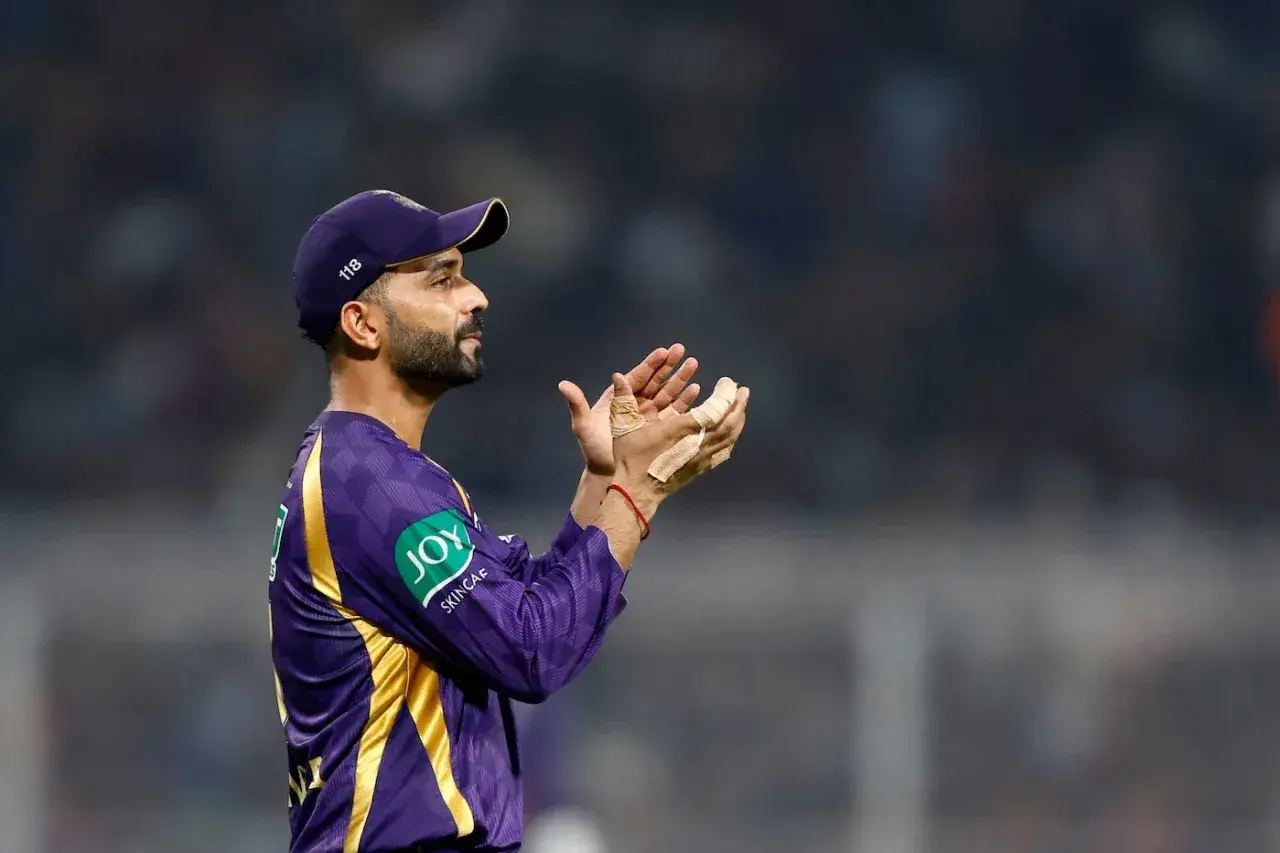
Kolkata Knight Riders spent INR 25.20 crore on Cameron Green at the December auction, making the Australian the most expensive overseas signing in IPL history. That single bid tells you everything about how KKR see their 2026 campaign: a squad rebuild through aggressive acquisition after a disappointing eighth-place finish in IPL 2025, one season removed from their 2024 title. The Knight Riders retained 12 players and entered the auction with the largest purse (INR 64.30 crore) among all franchises. They used it to sign 13 players, completing their 25-man squad before any other team. Head coach Abhishek Nayar and captain Ajinkya Rahane now have a roster built around specific roles rather than star accumulation. Here is the SWOT Analysis of KKR for IPL 2026 Strengths A death-bowling arsenal without a weak link KKR addressed their biggest 2025 gap by assembling three distinct death-over weapons. Matheesha Pathirana, signed for INR 18 crore, took 47 wickets in 32 IPL matches at an average of 21.61 across three seasons at CSK. His economy of 8.00 at the death in IPL 2023, the best among bowlers who bowled 90-plus balls in that phase, showcases a skill that complements Harshit Rana's hit-the-deck aggression and Blessing Muzarabani's steep bounce from back of a length. Vaibhav Arora provides a fourth seam option with swing in the powerplay. No other franchise in IPL 2026 can rotate four quality seamers with such different skill profiles. Varun Chakravarthy at peak value Varun Chakravarthy enters IPL 2026 as arguably the most in-form spinner in world cricket. He took 14 wickets in five T20Is against England in early 2025, earned Player of the Series, and followed that with 17 wickets at an economy of 7.00 in IPL 2025. Since the start of IPL 2023, no bowler in the tournament has more wickets than Chakravarthy's 40 in 27 innings, at an economy of 8.16. The Eden Gardens pitch historically assists spin after the first strategic timeout, giving KKR a home advantage built around Chakravarthy's variations. Tactical batting flexibility through Green and Rachin Ravindra Cameron Green averaged 41.58 at a strike rate of 153.69 across his 29 IPL matches before missing IPL 2025 to back surgery. Rachin Ravindra, a left-handed batter who bowls left-arm orthodox, gives Rahane the option to construct different top-four combinations depending on conditions. Green can bat at three or four and bowl four overs of seam. Ravindra can open or bat at three and chip in with spin. This versatility allows KKR to field balanced XIs without relying on one template. Weaknesses No proven Indian opener Gurbaz and de Kock opened the batting when KKR won the title in 2024. Both are gone. Gurbaz was released; de Kock is now at MI for INR 1 crore. KKR's opening options tell the story of a selection headache that the auction did not solve. Ajinkya Rahane's T20 strike rate has hovered around 125 across the last three IPL seasons. Angkrish Raghuvanshi is 21 with eight IPL matches. Finn Allen costs an overseas slot. If Rahane opens, KKR sacrifice attacking intent in the powerplay. If Allen opens, the overseas balance shifts, and one of Green, Pathirana, or Ravindra sits out. Each option creates a trade-off elsewhere in the XI. Middle-order depth hinges on Rinku Singh alone KKR's middle order after positions four and five is thin. Rinku Singh, retained at INR 13 crore, is the only proven IPL finisher in the squad. Manish Pandey, despite his experience, has averaged under 25 in the IPL since 2021. Rovman Powell's T20 record outside Caribbean conditions is inconsistent, with an IPL strike rate of 133.71 across 24 matches. Ramandeep Singh offers six-hitting but lacks the consistency to anchor a collapse. If Rinku has an off day, KKR lack a backup finisher who has done the job under pressure in the IPL. Opportunities Cameron Green's return from surgery as a genuine all-rounder Green missed IPL 2025 after back surgery. If he returns at full fitness, KKR gain a player who scored a 41-ball century for MI in IPL 2023 and bowls 135-140 kph. Australia's medical staff cleared him for all formats by late 2025. A fully fit Green batting at number four and bowling four overs would give KKR the kind of five-bowler balance that most IPL sides struggle to construct. The question is whether his body holds up across a 14-match league stage. Eden Gardens conditions favour their bowling mix KKR's home ground has produced some of the slowest surfaces in recent IPL seasons, with average first-innings scores below 170 in 2024. Chakravarthy's mystery spin on turning tracks, Pathirana's low-arm yorkers on sluggish surfaces, and Narine's four overs of off-spin create a three-pronged spin-and-variations attack suited to these conditions. KKR could build a home fortress if they win the toss and defend totals. Sunil Narine's final season as a tactical weapon Imagine preparing for a KKR match and not knowing if Narine will open the batting, bowl all four overs, do both, or not play at all. In the 2024 title run, Narine opened the batting and scored 488 runs at a strike rate of 180.74. Across 189 IPL matches, all for KKR, his economy of 6.35 since 2022 is the most economical by any bowler in world T20 cricket with a minimum of 1200 balls bowled, per ESPNcricinfo. At 37, Narine's body may not sustain a full-season workload. But used situationally, as a wildcard selection that Rahane deploys based on pitch, opposition, and match situation, Narine becomes a lever that no other franchise possesses. Opponents cannot prepare for a player whose role changes from match to match. Threats Fitness risk concentration in two high-value overseas signings KKR's two most expensive players, Green (INR 25.20 crore) and Pathirana (INR 18 crore), carry significant injury histories. Green underwent back surgery in 2024. Pathirana managed only 9 wickets in 8 games at an economy of 10.40 in IPL 2025, a season so poor that CSK released him. A hamstring injury had limited him to six matches in IPL 2024. If either misses extended stretches, KKR lose INR 43.20 crore worth of investment from their playing XI. Kartik Tyagi and Saurabh Dubey, their backup seamers, lack the skill or experience to replicate what Green and Pathirana provide. Captain Rahane's T20 credentials under scrutiny Ajinkya Rahane captained KKR to an eighth-place finish in IPL 2025. His batting has been a concern in the T20 format for several seasons, with his career IPL strike rate sitting below 130. A captain who cannot contribute with the bat puts additional pressure on the rest of the lineup and limits tactical flexibility. If KKR lose early matches, the captaincy question will surface fast, with no obvious internal alternative unless Green or Narine steps into a leadership role. The Andre Russell-shaped void in death hitting 254 sixes. A strike rate of 177.88 in the final five overs. A decade of innings where KKR were 120 for 5 in the 15th over and Russell turned defeat into a highlight reel. That player now plays elsewhere. Rovman Powell and Rinku Singh can clear boundaries. Powell's IPL strike rate of 133.71 across 24 matches and Rinku's finishing pedigree offer partial replacements. Neither has Russell's record of chasing impossible targets solo. KKR's 2026 campaign will require a structural shift: winning through bowling in the death overs rather than batting through them. The squad's investment in Pathirana and Muzarabani suggests management understands this. Whether the transition works in practice, when KKR are 30 runs short with four overs remaining, remains the franchise's biggest open question.

Read Article
Matthew Hayden Cleaned the Dugout After a GT Match. Here's Why It Matters More Than the Scoreline.
Cricket

Matthew Hayden Cleaned the Dugout After a GT Match. Here's Why It Matters More Than the Scoreline.

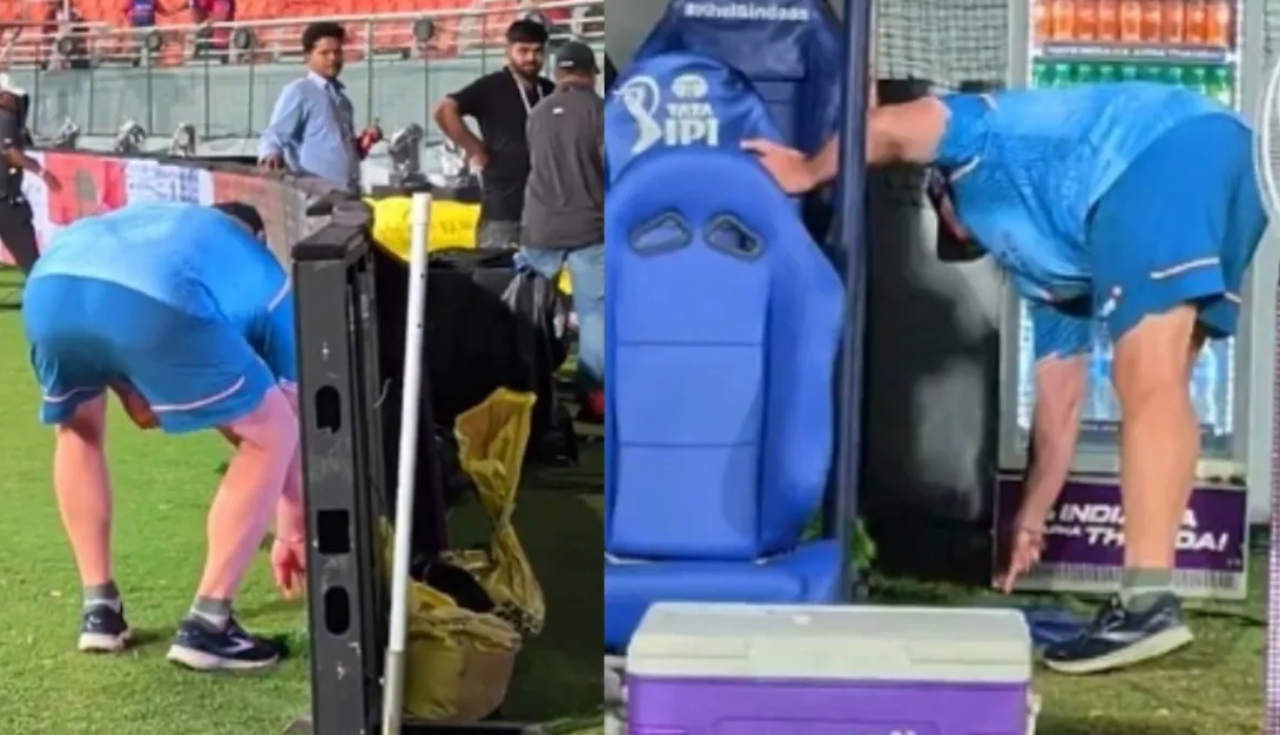
After a Gujarat Titans match this IPL, the franchise posted a clip on X that had nothing to do with the final score. Matthew Hayden, Gujarat Titans batting coach and the man who scored 380 against Zimbabwe in 2003, was in the dugout area long after the players had left, picking up cups and litter. When someone asked what he was doing, he said the ground was beautiful and that cleaning up was how he showed respect for it. That's it. No campaign, no announcement. GT just happened to catch it. That gesture won our hearts, Haydos! 🫶 pic.twitter.com/XCRO3vL8q0 April 1, 2026

Hayden has been part of Indian cricket longer than most IPL franchises have existed. He toured here with Australia in 2003-04, came back season after season as a Star Sports commentator, and this year stepped into the coaching staff at Gujarat Titans as batting coach. His voice was familiar here long before his title was. The dugout litter was apparently next on his list. At Qatar 2022, Japanese fans cleaned the stands after every World Cup match, staying until the aisles were clear. The same thing had happened in Russia in 2018. The Japan squad cleaned their dressing room and left a handwritten note for stadium staff. Nobody had asked for any of it. Cricket's biggest stages are in India. The noise at Narendra Modi Stadium or Wankhede on a full house night is something no cricket ground elsewhere can match. So is the mess in the aisles when the last over is done. Hayden picked it up for the reason he gave: the ground is beautiful and it deserves that care. That standard is available to anyone with a ticket.

Read Article
'Not Everything You See Is True': LSG Release Full Video After Goenka-Pant Clip Goes Viral
Cricket

'Not Everything You See Is True': LSG Release Full Video After Goenka-Pant Clip Goes Viral

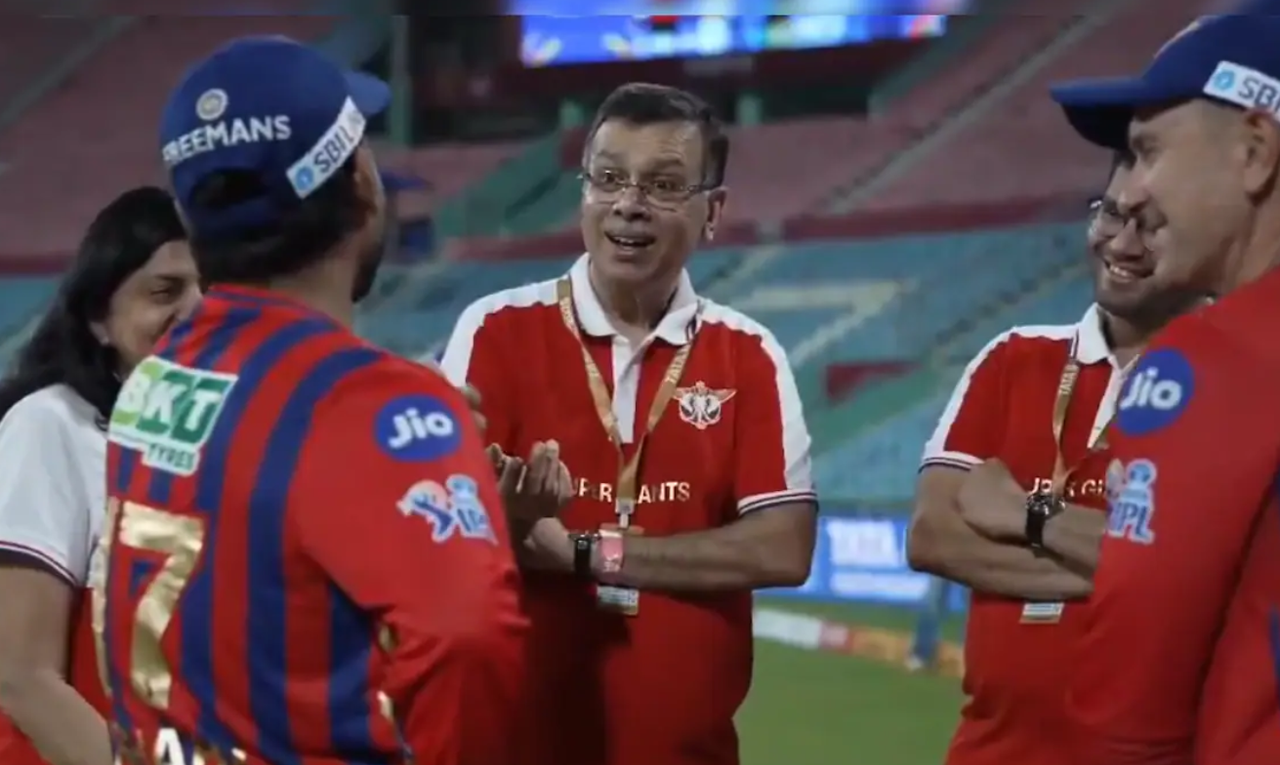
Lucknow Super Giants released an unedited video on April 2 showing owner Sanjiv Goenka and captain Rishabh Pant in a light-hearted post-match conversation, hours after a cropped, silent clip of the same exchange circulated on social media as an apparent public dressing-down. The shorter clip was filmed on the Ekana outfield immediately after LSG's six-wicket loss to Delhi Capitals on April 1. It showed Goenka in an animated exchange with Pant, head coach Justin Langer, and Director of Cricket Tom Moody. With no audio and the interaction visible to cameras, fans drew comparisons to May 2024, when Goenka was caught on camera in a heated exchange with then-captain KL Rahul after a 10-wicket defeat to Sunrisers Hyderabad. That episode preceded Rahul's departure from the franchise. "Not everything you see is true," LSG posted on X alongside the unedited footage, releasing the full video within hours of the cropped clip going viral. Not everything you see is the true story, here’s the unfiltered post match vibes, when cameras don’t cut. pic.twitter.com/EiPMWrmlkQ April 2, 2026

The match result gave Goenka genuine cause for concern. LSG were dismissed for 141 in 18.4 overs. Pant was run out for 7 off nine balls at the non-striker's end in the third over when a straight drive deflected off Mukesh Kumar's hand. Abdul Samad (36 off 25) and Mitchell Marsh (35 off 28) were the only batters to pass 25, with Natarajan (3/29) and Ngidi (3/27) doing most of the damage. Delhi's chase wobbled to 26/4 before Sameer Rizvi (70* off 47) and Tristan Stubbs (39* off 32) added 119 unbroken for the fifth wicket, sealing the win with 17 balls to spare. It was LSG's opening match of the season; Pant was purchased for a franchise-record INR 27 crore at the IPL 2025 mega auction. Goenka posted on X in the early hours of April 2: "This is a long season, and moments like these are part of building something meaningful. I have full confidence in our captain and the team to respond with strength. To our fans, thank you for your support at Ekana today, we will come back stronger. The story of @LucknowIPL this season is far from written." In 2024, LSG issued no clarification after the Rahul clip spread. SRH chased LSG's 166 in 9.4 overs that night in Hyderabad for a 10-wicket win. Rahul did not play for LSG again. LSG travel to the Rajiv Gandhi International Stadium in Hyderabad for their next match on Sunday, April 5 at 3:30 PM IST, the same venue where the Rahul episode unfolded. They sit on zero points in the IPL 2026 points table after one match.

Read Article
IPL 2026: Why Is Pat Cummins Not Playing vs KKR? Injury Update
Cricket

IPL 2026: Why Is Pat Cummins Not Playing vs KKR? Injury Update

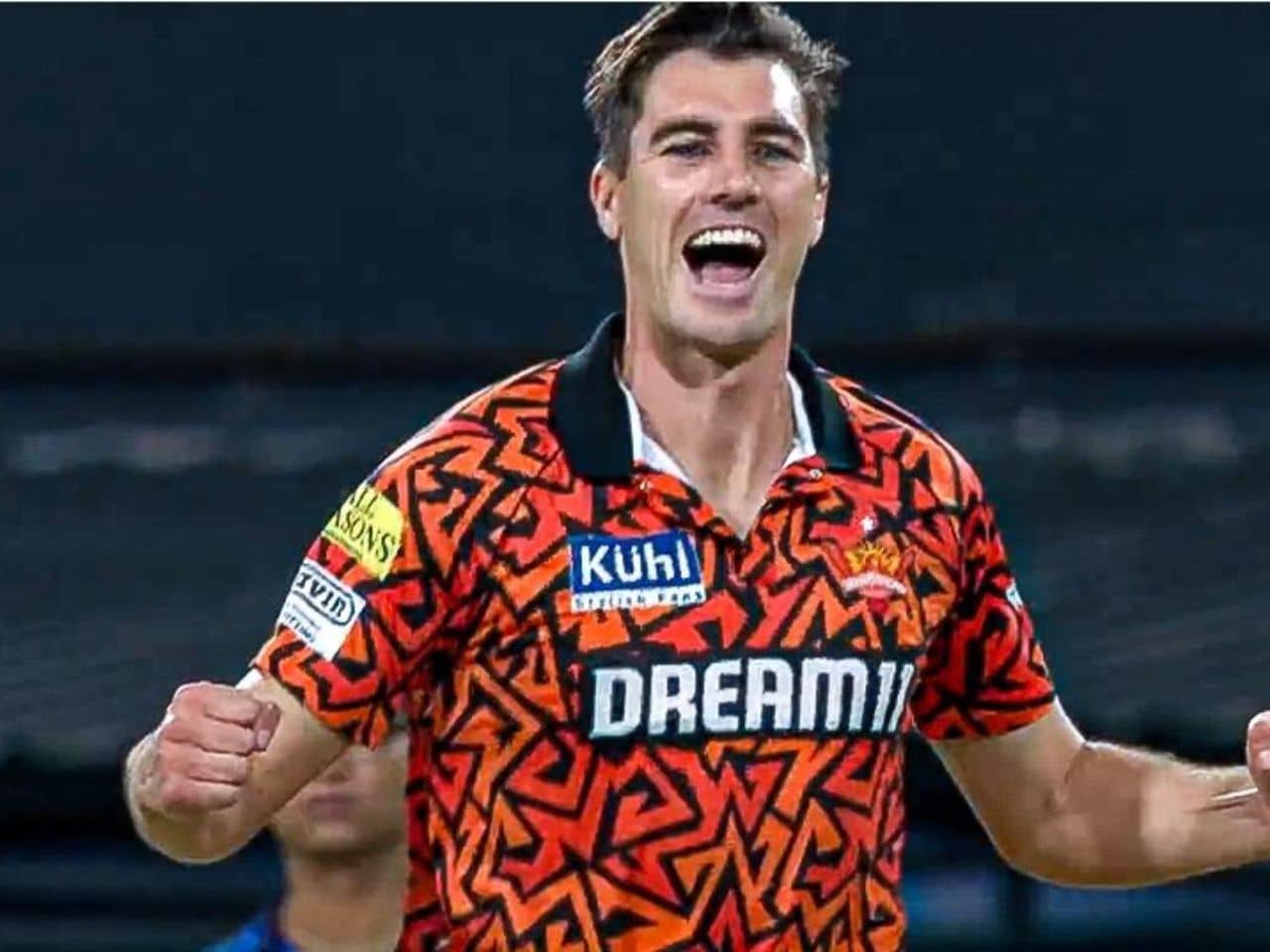
Pat Cummins is out of Sunrisers Hyderabad's IPL 2026 match against Kolkata Knight Riders at Eden Gardens on April 2 with a lumbar bone stress back injury. It is the second consecutive match he has missed to start the season. SRH arrive at this fixture already 0-1, having lost to RCB by 6 wickets on March 28 without their captain. A lumbar bone stress injury is a stress reaction in the lower vertebrae of the spine, common in fast bowlers who absorb repeated hyperextension during the delivery stride. No structural fracture is involved, but treatment requires complete rest from bowling before a phased return to competitive loads. Cummins has managed this exact injury before: ahead of the 2025-26 Ashes, he was given 16 weeks completely off bowling, then returned on an aggressive seven-week rehabilitation plan in time for the Perth Test opener. The current flare-up is a recurrence of that same back issue. Ishan Kishan, serving as interim captain with Abhishek Sharma appointed deputy, confirmed the update at the toss: "I don't know yet, but he should be ready as soon as possible, he makes a big difference, with the bat as well. Keeping him in the team is such a plus point." Kishan's batting comment reflects a genuine track record. In 2024, his first season as SRH captain, Cummins took 18 wickets in 16 matches and led the side to the final before they lost to KKR in Chennai. He followed that with 13 more wickets in 2025 and 97 runs off 58 balls from No.8, at a strike rate of 167.20, including 7 sixes in 9 innings. Cummins' 167.20 SR from No.8 across IPL 2025 puts him well above the typical lower-order contribution at that batting position. SRH retained him at ₹20.50 crore. Brydon Carse, SRH's second overseas seamer, is also set to miss this match with a hand injury, leaving David Payne and Eshan Malinga as their overseas pace pair. When will Pat Cummins return? Kishan indicated Cummins could return "after a week or more." Coach Daniel Vettori was more optimistic before the game, suggesting a return in the next match or two was possible. Cummins himself, before IPL 2026 began, had laid out a more conservative plan: build match fitness by the middle of the season and "play the back half plus the finals." SRH's next fixture is approximately a week away. The coaching staff is unlikely to rush him back; the last time this injury surfaced, it required 16 weeks of bowling rest and a seven-week return protocol before Cummins bowled competitively again.

Read Article
5 Mumbai Indians stars who can be match-winners in IPL 2026
Cricket

5 Mumbai Indians stars who can be match-winners in IPL 2026

Mumbai Indians reached Qualifier 2 in IPL 2025 despite losing four of their first five matches. That recovery told a specific story about the squad: MI's peaks were title-contending, their troughs relegation-worthy, and the difference often came down to whether one player produced a 15-minute spell that tilted the game. MI entered the December auction with the smallest purse in the tournament at INR 2.75 crore. They bought five players, traded in three, and sent a clear signal: this campaign will be won or lost by the retained core, not new recruits. This is not a list of MI's five best cricketers. Suryakumar Yadav scored 673 runs in IPL 2025 and Trent Boult finished as MI's second-highest wicket-taker, but both are known quantities producing known outcomes. This list identifies five players whose individual match-winning capacity could surprise opponents and define MI's 2026 trajectory. Here are 5 Mumbai Indians stars who can be match-winners in IPL 2026 5. AM Ghazanfar MI paid INR 4.80 crore for an 18-year-old Afghan off-spinner in the IPL 2025 auction, then watched from the sidelines as injury ruled him out for the entire season. Ghazanfar enters IPL 2026 as the most expensive player in MI's history to have zero IPL bowling stats. That price made sense for a reason. In 16 T20 matches before his injury, Ghazanfar had taken 29 wickets at an economy of 5.71. His 6 for 26 against Bangladesh in an ODI made him the fourth-youngest bowler from a full-member nation to take a five-wicket haul in the format. Standing 6'2", he generates awkward bounce for a finger-spinner, and his carrom ball, delivered from the same release point as his stock off-break, has drawn comparisons to Mujeeb Ur Rahman and R Ashwin. The match-winning argument is about timing. MI's spin cupboard in IPL 2025 was bare. Mitchell Santner bowled control overs but lacked a wicket-taking ball. If Ghazanfar returns fit and delivers what his T20 numbers suggest, MI gain a mystery spinner who can strike through the middle overs on surfaces where Wankhede's bounce rewards tall bowlers who extract purchase from the pitch. An 18-year-old Afghan spinner with a point to prove is the kind of variable that opponents cannot game-plan for. 4. Naman Dhir The most underrated player in MI's squad scored 252 runs at a strike rate of 182.60 in IPL 2025, the second-best strike rate among MI batters that season. He was one of only four MI players to feature in all 16 matches. Dhir's origin story at MI tells you something about his value. He was picked for INR 20 lakh in the 2024 auction, played seven games, smashed an unbeaten 62 off 28 balls against Lucknow Super Giants, and was released. MI then used their Right to Match card in the 2025 auction to bring him back at INR 5.25 crore, a 26x increase. Franchises do not burn their RTM on sentiment. What separates Dhir from a typical uncapped six-hitter is his consistency through the tournament. He did not produce one innings and disappear. His strike rate held above 175 across 16 games, mixing boundary hitting with smart running. His right-arm off-breaks offer Hardik Pandya an additional bowling option that does not cost an overseas slot. In a squad loaded with established names, Dhir is the player most likely to produce a 40-off-18 cameo that flips a match MI are losing. 3. Will Jacks On 28 April 2024, Will Jacks went from his fifty to his century in 10 deliveries against Gujarat Titans. No batter in IPL history has bridged that gap faster. His 41-ball hundred remains the fifth-fastest in the tournament, per ESPNcricinfo. Jacks moved to MI for IPL 2025 and scored 284 runs in 12 matches at a strike rate of 157.78. Those numbers were respectable, not spectacular. The match-winning potential lies in what MI have not yet unlocked. At RCB in 2024, Jacks batted at the top and faced the new ball. At MI, he operated at three or four, often walking in after the powerplay. In T20 cricket globally, all four of Jacks's hundreds have come in 50 or fewer balls, and each came when he had license to attack from ball one. If MI promote him to open alongside Rohit Sharma or Quinton de Kock, they pair aggression with aggression in the first six overs, a strategy that can put 60-70 on the board before the field spreads. Jacks also bowls off-spin that generated turn and bounce during The Hundred and county cricket. His 5 for 22 in a T20I against England in 2024, the third-best figures by an Australian bowler in the format, came from bowling that opponents had not prepared for. That dual value, an opener who can also bowl the 12th or 13th over if Pandya needs a rest, makes Jacks a player whose best MI innings is still ahead of him.  2. Hardik Pandya Pandya's evolution from batter who bowls to bowler who bats reshaped MI's IPL 2025 season. Consider the sequencing. In his first six matches of IPL 2025, Pandya picked up 11 wickets and sat joint-second on the Purple Cap table. In one match against Lucknow Super Giants, he dismissed Aiden Markram, David Miller, and Akash Deep off consecutive deliveries in the final over to finish with his first five-wicket haul in 290 T20 matches. That was the spell of a genuine death-over specialist, not a part-timer rolling his arm over. Then rewind to IPL 2024. Pandya's first season back as MI captain produced 216 runs, 11 wickets, and four wins from 14 games. Fans booed him at the Wankhede. The narrative was that MI had traded Rohit Sharma's captaincy for a declining all-rounder. IPL 2025 answered that narrative. Pandya bowled at 140-plus kph, swung the ball in the powerplay, and executed yorkers at the death. His batting value shifted from anchor to accelerator: 148 career IPL sixes show he clears boundaries when MI need 35 off 18. The match-winning case for Pandya is about a player who has found a second career at 32, one where his bowling carries matches and his batting finishes them. 

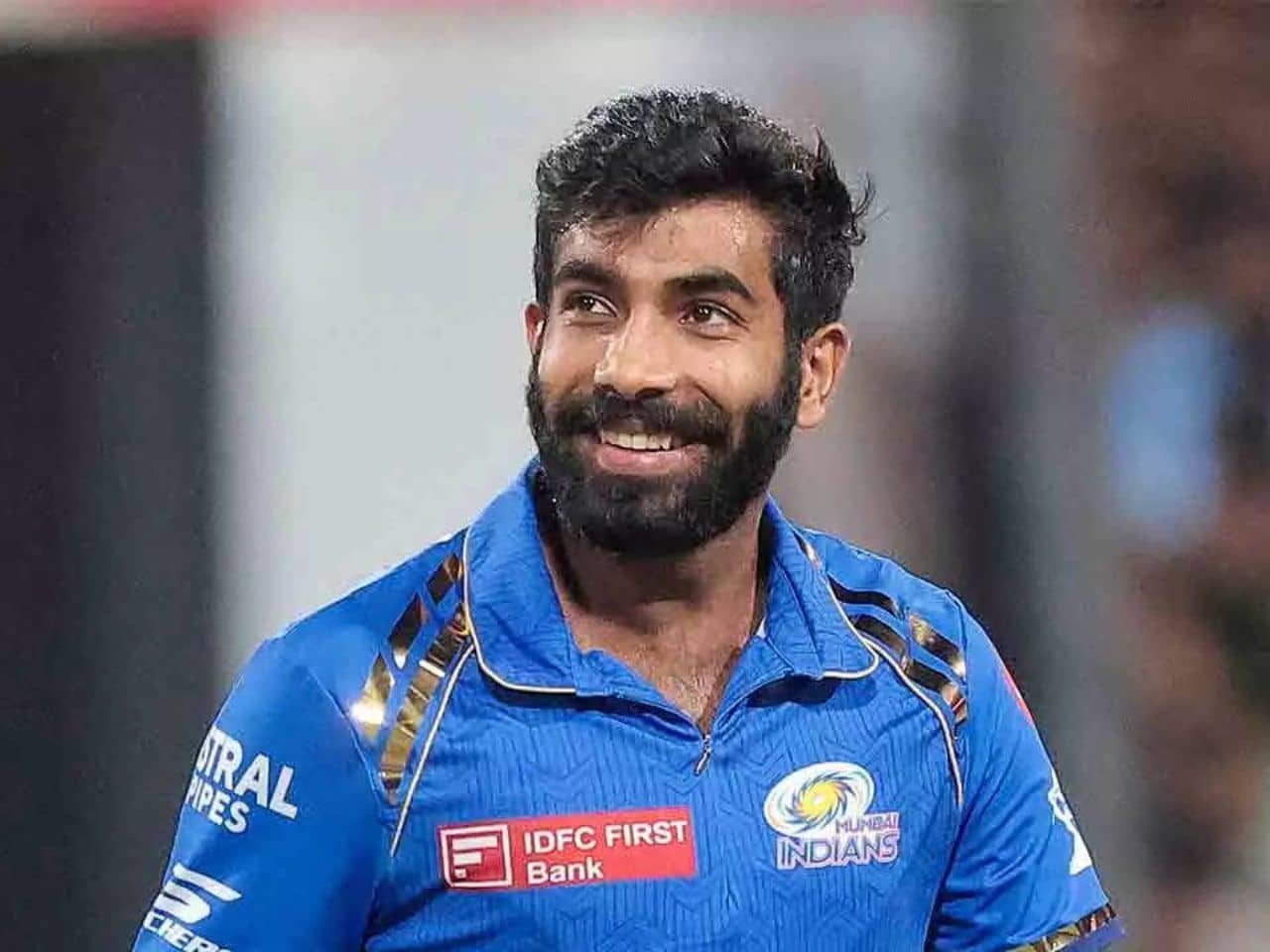
  1. Jasprit Bumrah MI won one of their first four IPL 2025 matches. Jasprit Bumrah missed all four. He returned and MI won seven of their next ten. That is not a coincidence. It is a structural dependency. The statistical case is almost absurd. Among bowlers who delivered 25-plus balls in IPL 2025, Bumrah posted an economy of 6.36 per over. The tournament average was 9.61. That difference, more than three runs per over, created approximately 12-15 runs of pressure across his four-over spell in each match, per ESPNcricinfo analysis. His death bowling operates on a different plane from other fast bowlers. Bumrah's full tosses went at 7.42 runs per over in IPL 2025. For other quicks, the same delivery cost 11.58. His yorkers: 5.49. The league average for fast-bowler yorkers: 6.66. Even his worst deliveries are cheaper than other bowlers' best. But reducing Bumrah to numbers misses what makes him a match-winner in the truest sense. Bumrah changes how teams plan innings against MI. Batters conserve wickets for the 17th and 19th overs because they know those overs will yield 4-6 runs rather than 12-14. That compression ripples backward through the innings: batters take risks against Santner or Ghazanfar in overs 8-12, leading to wickets in phases where MI's other bowlers look ordinary. Bumrah's match-winning value is not that he takes wickets or restricts runs. Other bowlers do that. His value is that he warps the opponent's entire innings plan around avoiding him. The question for MI in 2026 is not whether Bumrah will perform. It is whether his body allows 14 league matches instead of 12, giving MI the full-season version of the player who makes them title contenders.
Read Article
IPL 2026: Top 3 RCB Batters to Watch Out For
Cricket

IPL 2026: Top 3 RCB Batters to Watch Out For

Royal Challengers Bengaluru enter IPL 2026 as defending champions. Their IPL 2025 title campaign was built on batting consistency rather than individual heroics: three different batters scored 300-plus runs, and the opening partnership of Phil Salt and Virat Kohli racked up runs at 10.29 per over, the highest among playoff teams. RCB retained 17 players from that title-winning squad, including all their key batters. Captain Rajat Patidar added Venkatesh Iyer at INR 7 crore in the auction as middle-order reinforcement. The batting lineup that won the franchise their maiden title returns almost unchanged. Three batters will define whether RCB defend or decline. One is the all-time IPL run-scorer chasing a second consecutive title. Another is the captain whose attacking approach changed RCB's DNA. The third is a 21-year-old whose T20 World Cup semi-final century against India in Mumbai made him the most sought-after young batter in world cricket. Here are top 3 RCB batters to watch out for in IPL 2026 3: Jacob Bethell Three sixes off Varun Chakravarthy in one over. A century in 45 balls. India's bowlers silenced at the Wankhede. When Jacob Bethell hit 105 off 48 balls in the T20 World Cup 2026 semi-final, fans called it ridiculous and of the highest quality. At 21, he became the youngest England player to score a century in all three international formats. Six months earlier, Bethell had warmed RCB's bench for most of IPL 2025, appearing only when Phil Salt sat out through illness. That gap between bench player and World Cup sensation is what makes his IPL 2026 selection so fascinating. RCB have four overseas slots. Salt, Tim David, Josh Hazlewood fill three. The fourth has to choose between Bethell, Romario Shepherd, and Nuwan Thushara. Salt's opening partnership with Kohli produced RCB's title. Hazlewood anchored the bowling. Tim David finished innings. Each of those three earned their spot through IPL 2025 performance. Bethell earned his through what happened after. A left-handed batter with 360-degree range, tidy left-arm spin, and electric fielding, slotted at number three and given license to attack from ball one. RCB's 2026 campaign might hinge on whether they back what Bethell did in a World Cup semi-final or protect the formula that won them their first title. 2: Rajat Patidar Before IPL 2024, Patidar averaged below 25 in most IPL seasons. He had never crossed 400 runs in a single campaign. Then he scored 395 at a strike rate of 177.13 with five half-centuries, was handed the captaincy, and led RCB to their first title. The question that follows Patidar into IPL 2026 is whether that breakout was a gear shift or a purple patch. The evidence for a gear shift: Patidar's 67 off 34 balls in the Qualifier against Delhi Capitals, striking at 197.05, was not a slog. He placed the ball through the off side, used his feet against spin, and timed his acceleration to coincide with field restrictions being lifted. That is a batter with a method, not a batter riding form. His strike rate of 177 across a full IPL season puts him in the company of AB de Villiers and Glenn Maxwell as Bengaluru's batters who have maintained 170-plus. The evidence for a purple patch: two strong seasons do not erase six average ones. At 31, with a title under his belt, Patidar enters IPL 2026 as the captain that opposing teams have now studied. His scoring areas, his weaknesses against left-arm spin, his trigger movements against pace: these are on every franchise analyst's screen. Teams that treated Patidar as a secondary threat in IPL 2024 will game-plan for him in 2026. Whether he has the technical depth to adapt will define RCB's top order as much as anything Kohli does. 1: Virat Kohli Kohli's strike rate dropped in IPL 2025. His production went up. That paradox explains why his IPL 2026 season matters more than any of his previous 18. At 144.71, Kohli struck the ball slower than his peak IPL years. He also scored 657 runs at an average of 54.75 with eight half-centuries in 15 innings. The all-time IPL leading run-scorer, now with 8,661 runs across 267 matches, found a way to score more by risking less. Phil Salt made that possible. Salt's 387 runs at a strike rate of 175.90 meant Bengaluru's opening stands averaged 10.29 per over, the highest among playoff teams. In previous seasons, Kohli absorbed the new ball and carried the scoring load from ball one. With Salt clearing boundaries in the powerplay, Kohli played himself in and accelerated once set. The result was longer innings, fewer early dismissals, and a title. Kohli enters IPL 2026 in a state that the Bengaluru-based franchise have not seen before. He retired from Test cricket during IPL 2025. For the first time in his professional career, he arrives at an IPL season without the accumulated fatigue of five-day matches, overseas tours, and back-to-back series. His body is preserved for white-ball formats alone. He has scored 600-plus runs in three consecutive IPL seasons. Only Chris Gayle (2011-2013) and KL Rahul (2020-2022) managed that before. A fourth consecutive 600-run season has no precedent in the tournament's history. At 38, defending a title, with his workload lighter than it has been since his twenties, Kohli is positioned to attempt something no IPL batter has done. Whether his reflexes and running between wickets hold up through 14 league matches is the one variable that neither stats nor schedule can predict.

Read Article
IPL's Biggest Trades Ranked: From 2009 To The Samson-Jadeja Blockbuster
Cricket

IPL's Biggest Trades Ranked: From 2009 To The Samson-Jadeja Blockbuster

The IPL runs on auctions, but it gets reshaped by trades. In a league where franchises spend crores in bidding wars, a trade is a surgical move: two parties who know what they are exchanging and why. Since 2009, when Robin Uthappa and Zaheer Khan made the first swap in league history, trades have decided titles, broken dynasties, and sent careers in new directions. Each trade in this ranking scores across four dimensions: Immediate Performance Impact, Team Trajectory Change, Auction Value Disruption, and Legacy Effect, each out of 10, total out of 40. Nostalgia inflated, panic-buy deflated, title contributions weighted. Where the scores and the story diverge, the narrative explains the gap. 8. Robin Uthappa (MI to RCB) + Zaheer Khan (RCB to MI), 2009 Robin Uthappa was 23 years old and not yet the player he would become. In IPL Season 1 for Mumbai Indians, he was premium domestic talent in a squad built around Sachin Tendulkar with limited space for young top-order batters. He was underused, which is a different kind of problem. Zaheer Khan, India's best left-arm pacer and 30 years old at the time, was buried in a RCB setup so batting-heavy it could not use him properly. He took 8 wickets in 9 matches for RCB in 2008. For a bowler of that quality, 8 in 9 is evidence of mismanagement, not mediocrity. Both franchises wanted what the other had. The trade mechanism, barely a year old with no formal rulebook, was arranged informally. Uthappa later revealed he was told that declining would mean no place in the XI. Cricket's first-ever IPL trade was also its first lesson in the power franchise ownership holds over players. What followed was mixed, in a way neither team foresaw. Uthappa's first year at RCB was, by his own account, the lowest point of his career: 175 runs in 15 matches. Then 2010 happened. 374 runs, SR 171, three fifties, the crowd on his side. Zaheer, from his first season at MI, gave them bowling depth they had lacked: 29 wickets in 30 appearances across his time there, economy 7.4. Not spectacular by headline standards, but reliable. MI in 2008 had no quality left-arm pacer. After 2009, they had one. The deeper story is what neither side predicted. Zaheer's MI tenure never produced a title. MI's championship era, starting in 2013, was built on Malinga, Bumrah, and a trade for Trent Boult that came a decade later. Uthappa, the "lesser" player in the swap, scored 660 runs and won the Orange Cap with KKR in 2014. The founding trade of IPL history generated more long-term value for the franchise that gave up the bigger name. Its structural contribution to the league, normalising the trade window itself, is worth more than either player's subsequent numbers. Impact Score: 24/40 Dimension Score Rationale

Immediate Performance Impact 5/10 Zaheer delivered steadily; Uthappa's year 1 was a personal low

Team Trajectory Change 4/10 Neither franchise changed arc from this swap

Auction Value Disruption 6/10 The first trade normalised the mechanism; medium-term market effect

Legacy Effect 9/10 Every IPL trade discussion starts here

  1. Pragyan Ojha (Deccan Chargers to Mumbai Indians, 2012) In 2011, Pragyan Ojha won the Purple Cap. Across 56 appearances for Deccan Chargers, he had taken 62 career wickets at roughly 7.0 economy. His franchise was disintegrating. Deccan Chargers, IPL champions in 2009, were in terminal decline by late 2011: financial irregularities, contractual chaos, imminent BCCI termination. Ojha was their best player on a team that would soon cease to exist. Mumbai Indians, who had won the Champions League but never the IPL title in five attempts, had a specific bowling problem: no quality spinner who could control the Wankhede surface in middle overs. They paid approximately $800,000 to solve it. At MI in 2013, Ojha took 16 wickets in 16 matches. Combined with Dinesh Karthik's 510 runs in the same season, the two trade acquisitions formed a mathematical backbone for MI's first IPL title. The specific moment that illustrated his value: Qualifier 1 vs. RCB in Bangalore, Ojha bowled 4 overs for 18 runs, removing AB de Villiers and Virat Kohli in consecutive overs. MI won by 36 runs. MI's path to the final ran through Ojha's middle-over control at the critical knockout stage. The Ojha trade is structurally identical to the Trent Boult trade seven years later: a world-class bowling specialist from a weakened franchise, acquired at below-market value, integrated into MI's title-winning structure. The difference is cinema. Boult took the wicket on ball 1 of the 2020 final, which lives on highlight reels. Ojha's wickets came in the overs between 7 and 15, where T20 matches get decided but seldom glorified. His absence from MI's mythology is an aesthetic problem, not an analytical one. When MI deviated from this acquisition model in 2024 by paying a premium for Cameron Green in an unclear role, they finished last. Impact Score: 24/40 Dimension Score Rationale

Immediate Performance Impact 8/10 16 wickets in title-winning season, a direct causal factor

Team Trajectory Change 7/10 MI's first IPL title in their sixth attempt

Auction Value Disruption 5/10 Spin bowling valuation saw modest movement; nothing systemic

Legacy Effect 4/10 Seldom cited in MI history; the most under-remembered title contributor in IPL

  1. Quinton de Kock (RCB to Mumbai Indians, 2019) Everyone expected RCB to use him properly. They had paid Rs 2.8 crore for Quinton de Kock in 2018: a 25-year-old South African keeper-batter who dismantled pace bowling in powerplays with controlled aggression that was what T20 teams craved at the top of the order. Instead, RCB played him 8 times and got 201 runs at SR 124. Not terrible; just miscast. Their top-order was congested around Kohli's preferred batting position, and opening combinations changed season to season. There was no obvious slot for a keeper-opener of de Kock's profile. When MI identified him in the 2019 trade window, they saw a specific gap in their lineup that only this player could fill. The numbers that followed are the most efficient franchise-use ratio in IPL trade history. RCB paid Rs 2.8 crore and got 201 runs across one partial season. MI paid the same Rs 2.8 crore and got 529 runs in 2019, then 503 runs in 2020. 1,032 runs, back-to-back titles. The Rohit-de Kock opening partnership was the tournament's most feared top-order combination in both years. Impact Score: 30/40 Dimension Score Rationale

Immediate Performance Impact 9/10 529 runs in first season; powered the title run

Team Trajectory Change 8/10 Two consecutive titles linked to this single acquisition

Auction Value Disruption 7/10 Keeper-opener valuations reset across the market

Legacy Effect 6/10 Under-celebrated; de Kock's quiet demeanor meant the story never got told loudly

  1. Trent Boult (Delhi Capitals to Mumbai Indians, 2019) Why would a franchise trade away their highest wicket-taker from the previous season? Delhi Capitals had a specific, defensible reason: Kagiso Rabada. Boult became premium depth they could not deploy properly. MI saw the situation and paid Rs 3.2 crore. Boult's IPL 2020 season is the benchmark for what a single bowling acquisition can produce. 25 wickets in 15 matches. Then the final: first ball wicket, setting the tone for the title. Impact Score: 34/40 Dimension Score Rationale

Immediate Performance Impact 10/10 25 wickets, IPL Final Player of the Match, title winner

Team Trajectory Change 8/10 MI's fifth title, the dynasty era confirmed

Auction Value Disruption 7/10 Premium pace at powerplay re-priced

Legacy Effect 9/10 Ball 1 of the 2020 final is iconic

  1. R. Ashwin (Kings XI Punjab to Delhi Capitals, 2019/Pre-IPL 2020) Qualifier 1 of IPL 2020 saw Ashwin dismiss Rohit Sharma at a key moment. DC reached their first final. Impact Score: 29/40 Dimension Score Rationale

Immediate Performance Impact 7/10 13 wickets in key season

Team Trajectory Change 9/10 DC's only IPL final

Auction Value Disruption 6/10 Senior spinner valuation increased

Legacy Effect 7/10 Central to DC's peak

  1. Dinesh Karthik (Kings XI Punjab to Mumbai Indians, 2012) Karthik solved MI's middle-order and keeping issues. 510 runs in title season. Impact Score: 30/40 Dimension Score Rationale

Immediate Performance Impact 9/10 510 runs, key final contribution

Team Trajectory Change 8/10 First MI title

Auction Value Disruption 7/10 Keeper-batter pricing benchmark

Legacy Effect 6/10 Under-recognized impact

  1. Hardik Pandya (Gujarat Titans to Mumbai Indians, 2023/Pre-IPL 2024) Massive trade with cultural fallout and mixed results. Impact Score: 26/40 Dimension Score Rationale

Immediate Performance Impact 4/10 Poor 2024 season

Team Trajectory Change 5/10 Collapse then partial recovery

Auction Value Disruption 9/10 Rs 15 crore benchmark

Legacy Effect 8/10 Most discussed trade ever

  1. Sanju Samson (RR to CSK) + Ravindra Jadeja and Sam Curran (CSK to RR), 2025/Pre-IPL 2026 The biggest trade in IPL history by value and impact, reshaping two franchises simultaneously. Impact Score: 37/40 Dimension Score Rationale

Immediate Performance Impact 8/10 Early split results

Team Trajectory Change 10/10 Two franchises reshaped

Auction Value Disruption 9/10 Rs 34.4 crore benchmark

Legacy Effect 10/10 Historic dual-captain trade

Read Article
5 IPL Records Jasprit Bumrah Can Break (And The Ones He Probably Won't)
Cricket

5 IPL Records Jasprit Bumrah Can Break (And The Ones He Probably Won't)

Jasprit Bumrah enters IPL 2026 with 183 wickets across 145 matches. He is sixth on the all-time list, tied with Dwayne Bravo, and 15 behind Bhuvneshwar Kumar's pace-bowling record. He is also bowling better than at any point before his 2023 back surgery. Several records sit within reach. A few do not, and pretending otherwise would miss the actual story. What follows is the math: where Bumrah stands, what the gap looks like, how many seasons it takes, and what age he would be when he gets there. 5) Most Maiden Overs in IPL History: Bumrah Needs Six More Bhuvneshwar Kumar and Praveen Kumar share the record with 14 maiden overs each. Bumrah has 8. The gap is six maidens, a number that looks small until you consider that maiden overs in T20 cricket accumulate at a near-glacial rate. At Bumrah's historical rate of 0.055 maidens per match, closing a six-maiden gap takes 109 matches, roughly 8.4 more seasons at current workload. That puts him at 40. But his economy dropped from a career 7.25 to 6.68 in IPL 2025, and the conditions that produce maiden overs arise more often as control tightens. On May 9, 2022, at DY Patil Stadium, Bumrah bowled an 18th-over triple-wicket maiden: Sheldon Jackson, Pat Cummins, and Sunil Narine dismissed without a run scored. He finished with 5/10, 18 of his 24 balls dots, the second-best figures in IPL history. Maiden overs at Bumrah's level do not accumulate steadily. They arrive in clusters. Six more clusters over a career that extends to 35 is not far-fetched, though it is not guaranteed. Trajectory: 6 maidens needed. At current rate: 8+ seasons. At improved economy with clustered performances: possibly 4-5. Assessment: Stretch goal. The slowest path on this list, but the 2022 precedent keeps it alive. 4) Most Dot Balls All-Time: The Record Built One Ball at a Time In IPL 2025, Bumrah bowled 284 balls across 12 matches at an economy of 6.68. His dot ball rate against the league average of 9.61 runs per over produced the most extreme bowler-versus-league differential ever recorded in an IPL season. That is what a dot ball record looks like in real time: not one spell, but an entire season where more than six of every ten deliveries yielded nothing. Bumrah has approximately 1,360 dots in 145 matches, fourth on the all-time list. Bhuvneshwar Kumar leads with around 1,793, having played 190-plus matches. The gap is roughly 430 dots. Both bowlers have accumulated dots at almost identical per-match rates (9.4), which makes the arithmetic clean: Bumrah passes BK when he has played the same number of matches. At 36, BK is unlikely to sustain that rate through IPL 2029. Bumrah should overtake the record between IPL 2028 and 2029, assuming he completes most games per season. The rest of MI's attack conceded at 9.20 in 2025, a 2.52-run-per-over gap that translates directly into extra dots per spell. The record is a matter of longevity, not talent. Trajectory: approximately 430 dots behind. At 9.4 per match: 46 matches, roughly 3.5 seasons. Assessment: Achievable. IPL 2028-2029 window, with BK's age working in Bumrah's favour. 3) Best Bowling Average: The Malinga Inheritance Most people assume this record is safely with Lasith Malinga. The assumption is right, but the margin is narrower than it looks. Malinga holds the best IPL bowling average among bowlers with 50 or more wickets: 19.80 across 170 wickets. Bumrah's career average sits at approximately 22.02 across 183 wickets. To drag 22.02 below 19.80, he needs future wickets at lower cost than his career rate. If he takes his next 100 wickets at an average of 14, roughly what he managed post-surgery, the new career figure works out to approximately 19.2. The math clears, just barely. Before his 2023 back surgery, Bumrah's career average hovered around 23. In IPL 2024, his return season, it was 16.80. In 2025, 17.56. His post-surgery average over two seasons is approximately 17.1, five runs per wicket better than before. The surgery produced a more controlled bowler. Malinga was Bumrah's predecessor at MI, the man whose 170-wicket franchise record Bumrah passed during IPL 2025. Passing Malinga's average would complete that inheritance. Five or six more full post-surgery seasons at current form would do it. Trajectory: Bumrah needs roughly 100 more wickets at an average between 14 and 17 to pull his career figure below 19.80. At 18 wickets per season, that is five to six more full seasons, putting him at age 37-38 at completion. Assessment: Stretch goal. The math works if he sustains post-surgery form, but few fast bowlers have maintained peak performance that deep into their thirties. 2) Most Wickets All-Time: Why Is This Record So Hard for a Fast Bowler? The IPL's all-time wicket list is, structurally, a spinner's domain. Yuzvendra Chahal leads with 221 wickets. Piyush Chawla has 192. Sunil Narine has roughly 192. Of the top six, three are spinners, and Dwayne Bravo bowled slower-ball variations that spared his body. Those are the profiles that manage workload naturally in T20 cricket, take fewer physical tolls, and sustain careers into their late thirties. Bumrah at 183, sixth overall and second among pacers, is already an outlier. The gap to Chahal is 38 wickets. At Bumrah's recent rate of 18-20 wickets per full season, that is two full seasons if Chahal stops playing. He has not stopped. Chahal, also active, adds approximately 10-15 wickets per season. If Chahal accumulates 12 wickets in IPL 2026, his tally reaches 233. Bumrah at 19 wickets reaches 202. After IPL 2027: Chahal at 245, Bumrah at 221. After IPL 2028: Chahal at 257, Bumrah at 239. Even at Bumrah's best, the gap stays alive as long as Chahal plays. The record becomes realistic under one condition: Chahal slows or retires while Bumrah maintains output. Chahal is 35 and may not play five more full IPL seasons. But this is a race with an active opponent, and pace bowlers do not outlast spinners in cumulative counts. Bumrah took 14 wickets in the T20 World Cup 2026, including 4/15 in the final. He was retained at 18 crore, on peak form at 32 with an action built on biomechanics rather than raw strength. If he plays through IPL 2029, he finishes with approximately 255 wickets, past Chahal's current tally even accounting for Chahal's production through 2027. The race ends when one of them stops. Trajectory: 38 wickets needed, but the target is moving. Chahal adds approximately 12 per season. Bumrah closes the gap by approximately 7-8 wickets per season net. Record achievable at age 35-36 if Chahal slows. Assessment: Achievable, but requires 4-5 more seasons and Chahal's decline. The most compelling record on this list because it is not guaranteed.

  1. Most Wickets by a Pacer in IPL History: He May Get There This Season Bumrah took 3/32 on IPL debut in 2013, dismissing Virat Kohli and AB de Villiers with an action no one at MI had seen before: wrist cocked at the top, slingshot delivery stride, bounce from a length that defied the Wankhede pitch. Thirteen seasons later, he carries 183 wickets and an economy that has improved every year since his return from surgery. Bhuvneshwar Kumar leads all pacers with 198 wickets entering IPL 2026, on the verge of becoming the first pace bowler to 200. The gap to Bumrah is 15 wickets. At Bumrah's average of 18-20 per season, he closes the gap in under one full season. BK is 36 years old. His economy rate, once among the best in the game, has crept up. His workload in recent seasons has dropped. Even if BK adds 10-12 wickets in IPL 2026 and reaches 210, Bumrah at 19-20 wickets this season would be at 202-203. They would be within a handful of wickets heading into IPL 2027. If Bumrah takes 20 wickets in 2027 and BK takes 10, Bumrah leads by the end of that season. On April 11, 2024, at the Wankhede, Bumrah took 5/21 against RCB, his second career five-wicket haul in the IPL. He dismissed Kohli for 3 off 9 balls in the third over, then returned to the death to remove Faf du Plessis and pin Mahipal Lomror lbw with back-to-back deliveries, a hat-trick ball narrowly missed. ESPNcricinfo's Smart Stats recorded his impact rating at 165.69, the highest ever by a bowler in an IPL match. That kind of performance, the one that changes the shape of a match in four overs, is what separates Bumrah from every other pace bowler in this competition's history. He played MI's opener against KKR in IPL 2026 on March 29. Every match from here closes the distance. Trajectory: 15 wickets behind BK entering 2026. At 18-20 per season: record possible in IPL 2026, more likely by mid-2027. Age at completion: 32-33. Assessment: The most achievable record on this list, and the one with the clearest historical weight. Does he finish this IPL season as the leading pace wicket-taker in the competition's history? The Ones He Probably Won't
  2. Best Career Economy Rate (Sunil Narine's 6.77) Narine's career economy of 6.77 covers 192 wickets and roughly 1,800 overs. Bumrah's career rate is 7.25, 0.48 runs per over behind. Even in IPL 2025, his best-ever season economy of 6.68 moved the career number only marginally. Dragging 7.25 below 6.77 over thousands of additional overs, including death-over assignments where economy spikes, is mathematically prohibitive. Narine is a spinner whose role is suppression. Bumrah's role sometimes requires conceding boundaries to take wickets. The record is structurally incompatible with his function.
  3. Best Figures in an Innings (Alzarri Joseph's 6/12) Bumrah holds the second-best figures ever with his 5/10 against KKR in May 2022. Joseph's 6/12, taken on IPL debut in 2019 for the same Mumbai Indians franchise, requires six wickets in four overs. In 145 matches, Bumrah has five-wicket hauls in two innings. A sixth wicket requires either a batting collapse of extraordinary proportions or bowling more than four overs, which IPL rules prohibit. The ceiling of his role is a hard boundary against this record.
  4. Sustained All-Time Wicket Record Against Future Spinners Even if Bumrah passes Chahal, holding the record long-term is a different task. The cumulative IPL wicket leader, over decades, tends to be a spinner: lower injury rate, longer peak, higher games-per-season availability. Bumrah could sit atop the list briefly. Holding it for more than a season or two against an active spinner field is structurally unlikely.
Read Article
IPL Captain Win Percentage: All-Time Rankings And Where 2026's Skippers Stand
Cricket

IPL Captain Win Percentage: All-Time Rankings And Where 2026's Skippers Stand

On March 29, Shreyas Iyer captained Punjab Kings to a three-wicket win over Gujarat Titans and crossed a number that no IPL captain in 18 years had reached: a career win percentage above 59. Sportscafe logged it the following morning at 59.3% across 89-plus matches, nudging ahead of MS Dhoni's 57.87% and Hardik Pandya's 58.33%. Most coverage missed it. That data point frames everything in IPL 2026: the captaincy benchmarks are live competition, not historical artefacts. This ranking covers every IPL captain who has led in 20 or more matches, the minimum needed to filter out single-season flukes and injury-truncated tenures. Win percentage is calculated as wins divided by total matches captained (including no-results in the denominator), with tied matches counted as 0.5. The all-time table draws from ESPNcricinfo, CricTracker, and Wikipedia cross-referenced records. Where minor source discrepancies exist, the conservative figure is used. Current-season rows are updated through April 2, 2026, five matches into IPL 2026. All-Time IPL Captain Win Percentage (Min 20 Matches) Rank Captain M W L NR Win% Primary Franchise(s) Titles

1 Shreyas Iyer 89+ 54+ 35

59.3% DC, KKR, PBKS 1 (KKR 2024)

2 Sachin Tendulkar 51 30 21

58.82% MI 0

3 Hardik Pandya 60 35 25

58.33% GT, MI 1 (GT 2022)

4 MS Dhoni 235 136 97 2 57.87% CSK, RPS 5

5 Shane Warne 55 30 24 1 55.45% RR 1 (RR 2008)

6 Gautam Gambhir 129 71 56 2 55.42% KKR, DC 2 (KKR 2012, 2014)

7 Rohit Sharma 158 87 70 1 55.06% MI 5

8 Steve Smith ~38 ~20 ~17 1 ~54.1% RPS, RR, DC 0

9 Faf du Plessis 42 21 21

50.00% RCB 0

10 Sanju Samson 67 33 34

49.25% RR 0

11 David Warner 83 40 43

48.19% SRH, DC 1 (SRH 2016)

12 Kumar Sangakkara ~40 ~19 ~21

~47.5% KXIP, DC, SRH 0

13 Adam Gilchrist 82 38 43 1 46.91% DC, KXIP 0

14 Virat Kohli 143 66 75 2 46.15% RCB 0

15 Ajinkya Rahane ~35 ~16 ~19

~45.7% RR, RPS, KKR 0

16 Suresh Raina 29 13 16

44.83% GL 0

Note: Hardik Pandya's career win% reflects all completed matches as captain (GT 2022, GT 2023, MI 2024-2026). Rohit Sharma's figure uses 87W/158M; some databases report 56.32% depending on NR treatment. The number most fans would get wrong in a quiz: Sachin Tendulkar ranks second all-time in IPL captain win percentage. He captained Mumbai Indians from 2008 to 2011 across 51 matches, winning 30 at 58.82%. These were MI before the Rohit Sharma dynasty, with no consecutive titles and no dominant squad. Tendulkar's tenure gets remembered as the prelude, not the performance. The numbers disagree. Rohit Sharma, who won five IPL titles for MI, sits seventh at 55.06%, nine places below the man he replaced in the captaincy. Win percentage measures consistency; it does not weigh the matches that matter most. Tendulkar's MI never won the title; Rohit's won it five times. But for purposes of ranking how often a captain wins, Tendulkar's 51-match record beats Rohit's 158-match career. That gap deserves more attention than it gets. Hardik Pandya's 58.33% across 60 matches conceals two very different captaincy stories. At Gujarat Titans in 2022 and 2023, his first two full seasons, Pandya went 22W/9L across all GT matches including playoffs. That 71% win rate across 31 matches stands as the most dominant short-run captaincy record in IPL history. When he returned to MI in 2024, he went 4W/10L in his worst campaign. The 2024 collapse drags his career aggregate down by approximately seven percentage points. Without those 14 MI 2024 matches, Pandya's career win% would sit above 65%. Dhoni's 235 matches, 136 wins, 57.87% over 17 seasons represents the longest high-quality captaincy run in T20 cricket history. The key qualifier is his away record, estimated at around 50-52%, unusually close to his home rate of 65-68%. Most IPL captains show a 12-15 percentage-point swing between home and away. Dhoni's swing is roughly half that. Sustaining near-home performance on the road is what separates his tactical record from captains who were primarily home-venue beneficiaries. Where 2026's Skippers Stand Captain Team Career IPL Win% M W L 2026 Record Playoff Qualification Rate

Shreyas Iyer PBKS 59.3% 89+ 54+ 35 1W/0L 85.7% (6 from 7 seasons)

Rajat Patidar RCB 76.9% 14 11 3 1W/0L 1/1 (2025 title)

Hardik Pandya MI 58.33% 60 35 25 1W/0L 75% (3 from 4 seasons)

Shubman Gill GT 53.57% 28 15 13 0W/1L 1 playoff from 2 full seasons

Axar Patel DC 50.0% 16 8 8 1W/0L 0 from 1 season

Rishabh Pant LSG ~47.4% ~57 ~27 ~30 0W/1L 0 from 1 full LSG season

Ajinkya Rahane KKR ~45.7% ~35 ~16 ~19 0W/1L 0 from 1 full season

Ruturaj Gaikwad CSK ~42.1% ~19 ~8 ~11 0W/1L 0 from 1.5 seasons

Riyan Parag RR 100% 1 1 0 1W/0L N/A (sample too small)

Ishan Kishan SRH

1 0 1 0W/1L N/A (interim)

Rajat Patidar's 76.9% is the highest win rate among captains with 10+ matches but falls short of the 20-match minimum for the all-time table. Extraordinary early sample, insufficient for career ranking. Patidar's 76.9% deserves its own paragraph. He captained RCB in 13 matches in IPL 2025, won 10, and lifted the title. He became only the third captain to win the IPL in their first full captaincy season, after Shane Warne (2008) and Hardik Pandya (2022). Patidar went unsold in the 2021 auction and reached the captaincy through an injury-replacement call-up, making the trajectory as improbable as the win rate. In IPL 2026, he added a 14th match with another win, RCB chasing down SRH's 202 in 15.4 overs. The win rate has not moved yet. Shreyas Iyer has never led a team to a net losing record in a full IPL season. DC (2018-2021): four seasons, all net positive or at a playoff qualifier. KKR (2022 and 2024, skipping 2023 with injury): playoff in 2022, title in 2024. PBKS (2025): first PBKS final since 2014. Seven seasons, six playoff appearances in the seasons he was fit to lead. His qualification rate of 85.7% is the highest of any captain with more than three full seasons. Rohit Sharma's is 77.8% across nine MI seasons. Dhoni's is 70.6% across 17. Ruturaj Gaikwad's CSK record requires context that is almost impossible to provide fairly. He replaced MS Dhoni after 17 seasons and five titles. His CSK have managed approximately 8 wins from 19 matches (~42%) across his tenure. Dhoni's CSK won at 57.87%. Every variable that helps a captain also constrains the measurement. Gaikwad's 2026 opener saw CSK bowled out for 127 by Rajasthan Royals, losing by 8 wickets. That match is one result. It will drive the "post-Dhoni era" framing for the rest of the season. Nineteen matches and a 42% rate is the actual data behind that narrative. Context Tables: Beyond Raw Win% Playoff Record as Captain Captain Seasons as Full Captain Playoff Appearances Qualification Rate Finals Titles

Shreyas Iyer 7 6 85.7% 3 1

Rohit Sharma 9 7 77.8% 6 5

Hardik Pandya 4 3 75.0% 2 1

MS Dhoni 17 12 70.6% 10 5

Gautam Gambhir ~9 ~6 ~66.7% 3 2

Shane Warne 3 2 66.7% 1 1

Virat Kohli 11 6 54.5% 3 0

Sanju Samson 4 2 50.0% 1 0

Kohli's 54.5% playoff qualification rate across 11 seasons stands 31 percentage points below Iyer's 85.7% across seven. The full picture of that gap, and what it means for how captaincy quality is measured, is in the overperformer analysis below. Home vs Away Win% (Directional Estimates) Note: Granular career home/away captain splits are not compiled in any public database. The estimates below are derived from franchise home/away records during each captain's primary tenure and should be read as directional rather than exact. Captain Home Win% (est.) Away Win% (est.) Delta

MS Dhoni ~65-68% ~50-52% ~15pp

Rohit Sharma ~62-65% ~48-50% ~15pp

Gautam Gambhir ~62% ~49% ~13pp

Virat Kohli ~52% ~40% ~12pp

Shreyas Iyer ~65% ~53% ~12pp

Iyer's estimated 12pp delta across three different home venues (Feroz Shah Kotla, Eden Gardens, PCA Mohali) suggests his away performance is not tied to a single ground advantage. The Overperformers and the Carried Overperformers (captains who beat their squad's expected output): Shane Warne won the 2008 IPL title with Rajasthan Royals, a franchise sold as underdogs before the auction. RR had Shane Watson, Yusuf Pathan, and a mix of uncapped Indian players. They had no genuine number-one bowler (Warne himself was 38). Against three franchises with higher auction spends, Warne took RR to the final and won it. His 55.45% win rate across 55 matches reflects a captain extracting above-resource results in an era before franchise squads had been optimised. No title won by any captain since carries the same squad-underdog qualification. Hardik Pandya's 2022 Gujarat Titans season is the modern equivalent. GT were an expansion franchise in their debut IPL season. Their most recognisable name on auction day was Pandya himself, who many assumed would be managing a rebuild year. GT finished first in the league stage with 10W/4L, then won the final against Rajasthan Royals, restricting them to 130. Pandya took 3/17 and scored 34 in that final. For a debut franchise to win an IPL title is unprecedented; Pandya is the only captain in IPL history to achieve it. Sachin Tendulkar's 58.82% across 51 matches for pre-dynasty MI (2008-2011) belongs in the same category. MI had quality but not the overwhelming machine they became under Rohit. Four seasons of 58.8% win rate for a squad that was still being assembled. Carried (captains whose squad quality exceeded their results): Virat Kohli captained RCB for 11 seasons with auction squads consistently among the top three by resource allocation. He qualified for 6 playoffs, reached 3 finals (2009, 2011, 2016), lost all three, and won zero titles. His 66W/75L record across 143 matches makes him the only marquee IPL captain whose loss count exceeds his win count. Rohit went 87W/70L in 158 matches, Gambhir 71W/56L in 129. Kohli scored thousands of runs as captain; batting was never the variable. The 46.15% win rate is a verdict on leadership decisions, not preparation or talent. After Kohli stepped down, RCB under Faf du Plessis reached the 2022 Eliminator; under Patidar, they won the 2025 title. David Warner's 48.19% win rate across 83 matches at SRH and DC is harder to frame as "carried." SRH 2016, which Warner led to the title, was a defensive bowling unit rather than a batting powerhouse. Warner's SRH won that title by building totals of 160-175 and restricting opponents, a pattern that required field placement and bowling rotation decisions he executed well. But in four seasons post-2016, across SRH and DC, his teams finished below the playoff line three times. The 2016 title boosts his win rate. Four subsequent years of middling results kept it just below 49%. Which 2026 Captain Is Moving Fastest The five-match 2026 sample is too small for confident projection. But the early directional signals are worth noting, conditionally. Rajat Patidar opened with a win over SRH, with RCB chasing 202 in 15.4 overs and finishing 203/4. That is a second consecutive IPL season beginning 1-0, extending his unbeaten run in season openers to four matches across two campaigns. Whether the 76.9% normalises to the 55-60% range of established elite captains depends on RCB's bowling holding through the middle overs across the full tournament, their historical structural weakness. Ruturaj Gaikwad and Ajinkya Rahane both opened with losses. Gaikwad's CSK were bowled out for 127 against a Rajasthan Royals side who chased in 12.1 overs. Rahane's KKR posted 220/4 and still lost, with MI reaching 224/4 with five balls to spare. The KKR result is more concerning: 220 is above the IPL average first-innings score, and it was not enough. KKR finished 8th in 2025 under Rahane, his first full season. Two full seasons into his KKR tenure, the results show no deep runs. Riyan Parag's RR won their opener by 8 wickets with 47 balls to spare. At 22, leading RR in their first match of the Parag era, that scoreline is the best possible opening result. Parag won the toss, bowled first, and deployed his seam trio to restrict CSK to 127. His first captaincy decision, to bowl in conditions where the surface offered early movement, was the correct one, executed precisely. One match. The question the season will answer is whether that represents a prepared tactical system or optimal first-match conditions. Related: IPL 2026 Captain Profiles | MS Dhoni: A Statistical Legacy | Shreyas Iyer Career Records

Read Article
4 Best overseas players for Chennai Super Kings in IPL 2026
Cricket

4 Best overseas players for Chennai Super Kings in IPL 2026

Chennai Super Kings finished last in IPL 2025. The five-time champions responded by overhauling their squad, trading Ravindra Jadeja and Sam Curran to Rajasthan Royals for Sanju Samson, and spending INR 41 crore on uncapped Indian talent alone. CSK's domestic batting core now runs deep: Ruturaj Gaikwad, Samson, Shivam Dube, Ayush Mhatre, and Sarfaraz Khan give head coach Stephen Fleming five Indian batters who can score at 140-plus strike rates. That depth shifts the overseas question from "Who bats?" to "Who bowls?" and "Who provides the X-factor?" CSK have eight overseas players on their roster. Only four can play. The selection hinges on matching what the Indian core lacks: a wrist spinner, death-overs pace, lower-order power hitting, and a second spin option for turning surfaces.  Here are the 4 Best Overseas Players for CSK in IPL 2026 4: Akeal Hosein CSK signed Akeal Hosein, the Trinidadian left-arm spinner for his base price of INR 2 crore at the December auction. That price undersells his value. Hosein ranks 6th in the ICC T20I bowling rankings and has taken 92 wickets in 95 T20 internationals. In the 2024 T20 World Cup, held in the Caribbean, he picked up 9 wickets at an economy of 5.60, including career-best figures of 5 for 11 against Uganda. Across 253 T20 matches worldwide, he has 237 wickets at an economy of 7.08. What makes Hosein worth an overseas slot is his role as a powerplay enforcer. Unlike traditional left-arm spinners who operate in the middle overs, Hosein bowls upfront with a quick arm action that challenges right-handers outside off stump. CSK's domestic spin options, Rahul Chahar and Shreyas Gopal, are leg-break bowlers who operate through the middle. Hosein gives Fleming a different angle in the first six overs and doubles as a reliable option if conditions turn at Chepauk. Pairing him with Noor Ahmad creates a twin-spin overseas combination tailored for Indian surfaces. Few franchises can match that variety. 3: Jamie Overton With Nathan Ellis facing a hamstring injury ahead of IPL 2026, CSK's pace all-rounder options narrow. Jamie Overton, acquired for INR 1.50 crore, fills the gap that Sam Curran's departure created. Overton bowls at 140-plus kph and bats with power in the lower middle order. His IPL experience is limited, three matches for CSK in IPL 2025 with modest returns, but his profile matters more than his numbers so far. CSK have built their identity around "BatDeep," the philosophy that their number eight should still be able to clear boundaries. Overton's hitting ability at number seven or eight, combined with four overs of genuine pace, extends the batting lineup in ways that a specialist bowler like Matt Henry cannot. Henry, Overton's primary competitor for this slot, offers superior new-ball skill and swing. If Ellis recovers full fitness, Henry's case strengthens since CSK would then have two specialist seamers. But in the likely scenario where Ellis misses matches, Overton's dual contribution makes him the safer pick for a squad that already has Khaleel Ahmed and Mukesh Choudhary sharing the seam workload.   2: Dewald Brevis Dewald Brevis arrived at CSK in IPL 2025 as a replacement signing at INR 2.2 crore after going unsold in the auction. He left as the franchise's most exciting batter. In six innings for CSK, the 22-year-old scored 225 runs at an average of 37.50 and a strike rate of 180.00. His 94 off 48 balls against RCB showed what "Baby AB" looks like when he has a settled role: 17 sixes across the stint, the second-most by any CSK batter that season. Since March 2024, Brevis has scored 1,708 runs in 63 T20 innings at an average of 32.96 and a strike rate of 165.58 across leagues worldwide, per ESPNcricinfo. In August 2025, he broke Faf du Plessis's record for the highest individual T20I score by a South African, smashing an unbeaten 125 off 56 balls against Australia. He is 22 years old. CSK's batting order benefits from Brevis at number four or five, where his 360-degree stroke play disrupts bowling plans in ways that the more conventional Dube and Sarfaraz cannot. With Ruturaj and Samson anchoring the top three, Brevis provides the acceleration phase that IPL 2025's CSK lineup lacked. 1: Noor Ahmad   Noor Ahmad, the Afghan left-arm wrist spinner took 24 wickets for CSK in IPL 2025, leading the Purple Cap race for a stretch. His figures of 4 for 18 against Mumbai Indians showcased a skill set that CSK's domestic spinners cannot replicate: genuine turn both ways, delivered with a quick arm from a low trajectory. At one point during the season, Noor had five more wickets than Ashwin and Jadeja combined.   Noor's franchise circuit experience is vast for a 20-year-old. He has played in the IPL, BBL, CPL, PSL, SA20, The Hundred, and ILT20. That exposure translates to maturity under pressure that belies his age. His bowling speed, faster than most wristspinners, and his ability to extract turn on flat surfaces make him effective across conditions, including flat surfaces where other spinners struggle. CSK retained Noor at INR 10 crore for IPL 2026. The other three overseas slots can be debated. This one cannot. On surfaces at Chepauk that have assisted spin in recent seasons, Noor Ahmad is the first name on Fleming's overseas list and the bowler around whom CSK's 2026 campaign will be built.

Read Article