


Navigating Past Challenges: The Party's Reorientation
A year prior to September 2026, the Democratic Party was navigating one of the most difficult periods in its recent history. This challenging juncture was marked by significant internal and external pressures, threatening the party's ability to effectively chart its course. According to reporting by Antoni Gutiérrez-Rubí for El País, the organization was heavily associated with the negative public image of former President Joe Biden. This association proved to be a considerable burden, contributing to a perception of the party lacking a distinctive style or clear, inspiring ideas.
During this phase, the Democratic Party struggled with a sense of stagnation, unable to articulate a compelling vision that resonated broadly with the electorate. The absence of a unified, positive identity left the party vulnerable to criticism and struggling to connect with various voter blocs. However, this period of uncertainty began to shift dramatically as internal campaigns for the midterm elections commenced. These campaigns provided a crucial platform for new voices and perspectives to emerge, challenging the previous lack of direction.
Simultaneously, a new generation of politicians began actively laying the groundwork to run for president in 2028. These emerging figures, each with their own distinct communication styles and ideological leanings, further contributed to a dynamic re-evaluation within the party. These developments collectively marked a profound departure from the previous stagnation, initiating a comprehensive transformation in how the party presented itself and its agenda to the electorate.
A New Democratic Tapestry: Embracing Diverse Voices
The Democratic Party is now characterized as a broad and multifaceted coalition, distinguished by its diverse communication styles and a wide spectrum of ideological positions. This variety represents a significant structural change, moving away from the more monolithic image it held during its earlier period of political difficulty. Instead of seeking a single, unifying voice, the party has embraced a pluralistic approach that allows for greater flexibility and broader appeal.
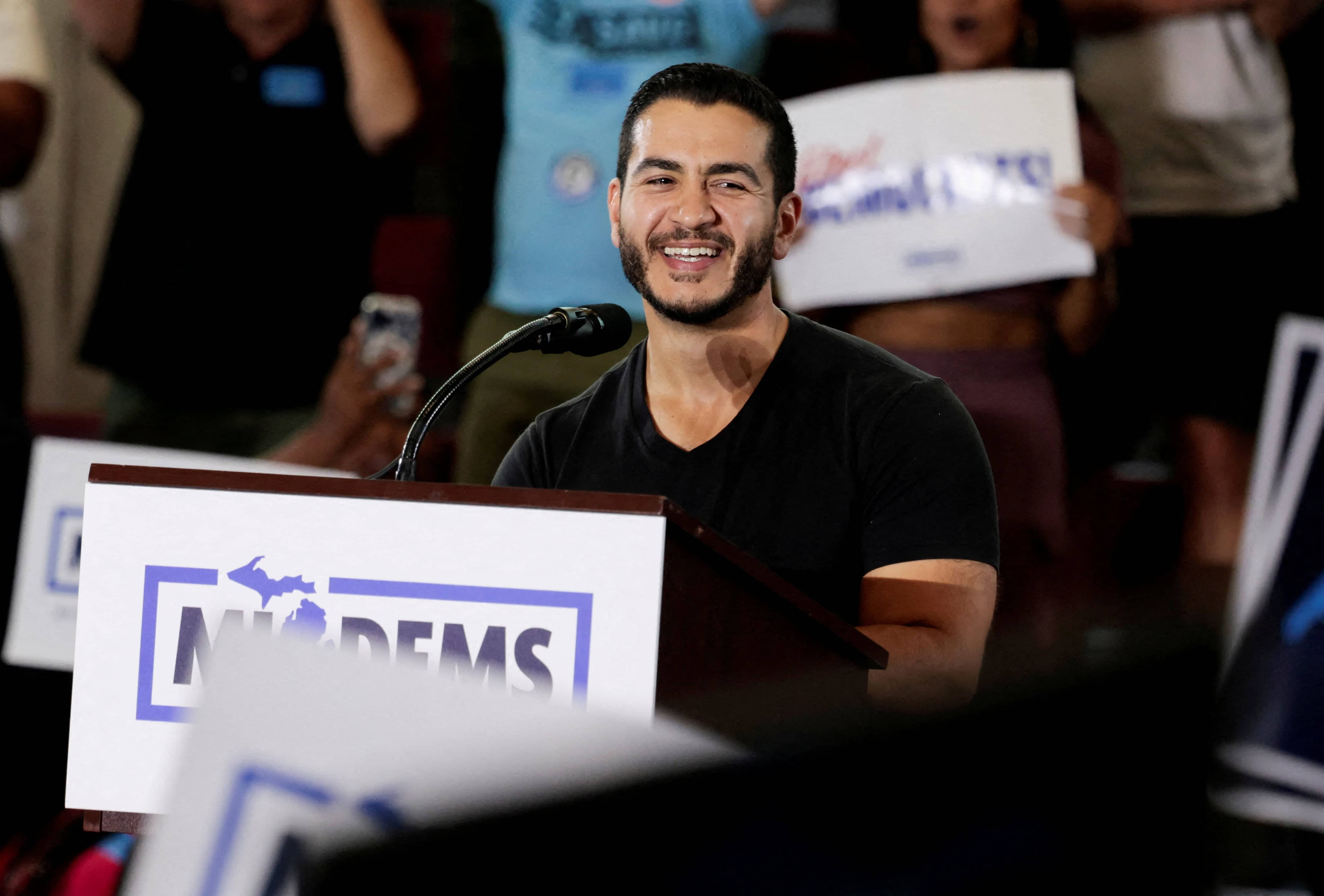
Abdul El-Sayed, a U.S. Senate candidate in Detroit, Michigan, serves as a compelling example of this new landscape. His presence within the party apparatus highlights the emergence of different voices and perspectives, each contributing to a richer and more varied political discourse. The analysis identifies ten distinct styles within this newly formed Democratic coalition, reflecting a deliberate strategy to engage with different segments of the population.
These varied approaches enable the party to address diverse concerns with tailored messaging, ensuring that its platform resonates across a wider demographic. Crucially, the research indicates that this lack of strict definition and the embrace of variety have not been detrimental to the party’s overarching goals. For now, this approach has proven remarkably effective. It has allowed Democrats to successfully reconnect with voters from various blocs who may have previously felt disconnected or unrepresented by the party platform, fostering a renewed sense of engagement and belonging.
Strategic Communication in a Shifting Political Landscape
The current communication success of the Democrats is closely tied to their skillful and adaptable use of language. By employing different methods and rhetorical strategies, they have managed to challenge Donald Trump and the Republican Party’s long-standing monopoly on certain words and narratives. This linguistic shift is a strategic maneuver, enabling the party to counter Republican messaging more effectively and reframe political discourse in their favor.
Democrats have adeptly capitalized on the widespread voter rejection of Donald Trump, particularly in the lead-up to the November elections. This political capitalization is not accidental; it is a direct result of the party's enhanced ability to present a varied and responsive front that resonates deeply with disaffected voters. The inherent diversity within the party allows it to appeal to a wider range of concerns and anxieties without being constrained by a single, rigid ideological framework, thus maximizing its potential to attract those alienated by the opposition.
The combination of vigorous internal midterm campaigns and the proactive emergence of potential 2028 presidential candidates has significantly contributed to this strategic shift. These political actors are not merely campaigning; they are actively utilizing the ten identified communication styles to build support, define their individual platforms, and collectively reshape the party's identity. The result is a Democratic Party that is dynamically adapting its strategies and messaging in direct response to the fluid and often volatile current political climate.
Harnessing Discontent and Redefining Discourse
The current state of the Democratic Party reflects a sophisticated strategic adaptation to recent electoral challenges and public sentiment. By consciously moving away from the heavy association with former President Biden’s perceived negative image, the party has successfully opened up vital space for new leaders, fresh ideas, and innovative approaches to emerge. The ten distinct styles identified in the analysis suggest a coalition that, while appearing fragmented on the surface, possesses a profound and potentially powerful collective strength.
This fragmentation does not appear to hinder their ability to challenge Republican messaging; rather, it enhances it. By offering multiple avenues for engagement and diverse points of connection, the party can effectively reach a broader spectrum of voters, particularly those who are actively rejecting Donald Trump and seeking alternative political representation. The skillful use of language, therefore, remains a central and indispensable component of this overarching strategy, empowering Democrats to proactively redefine political discourse and shape the narrative ahead of the upcoming elections.