


The Evolution of Nigerian Political Alliances
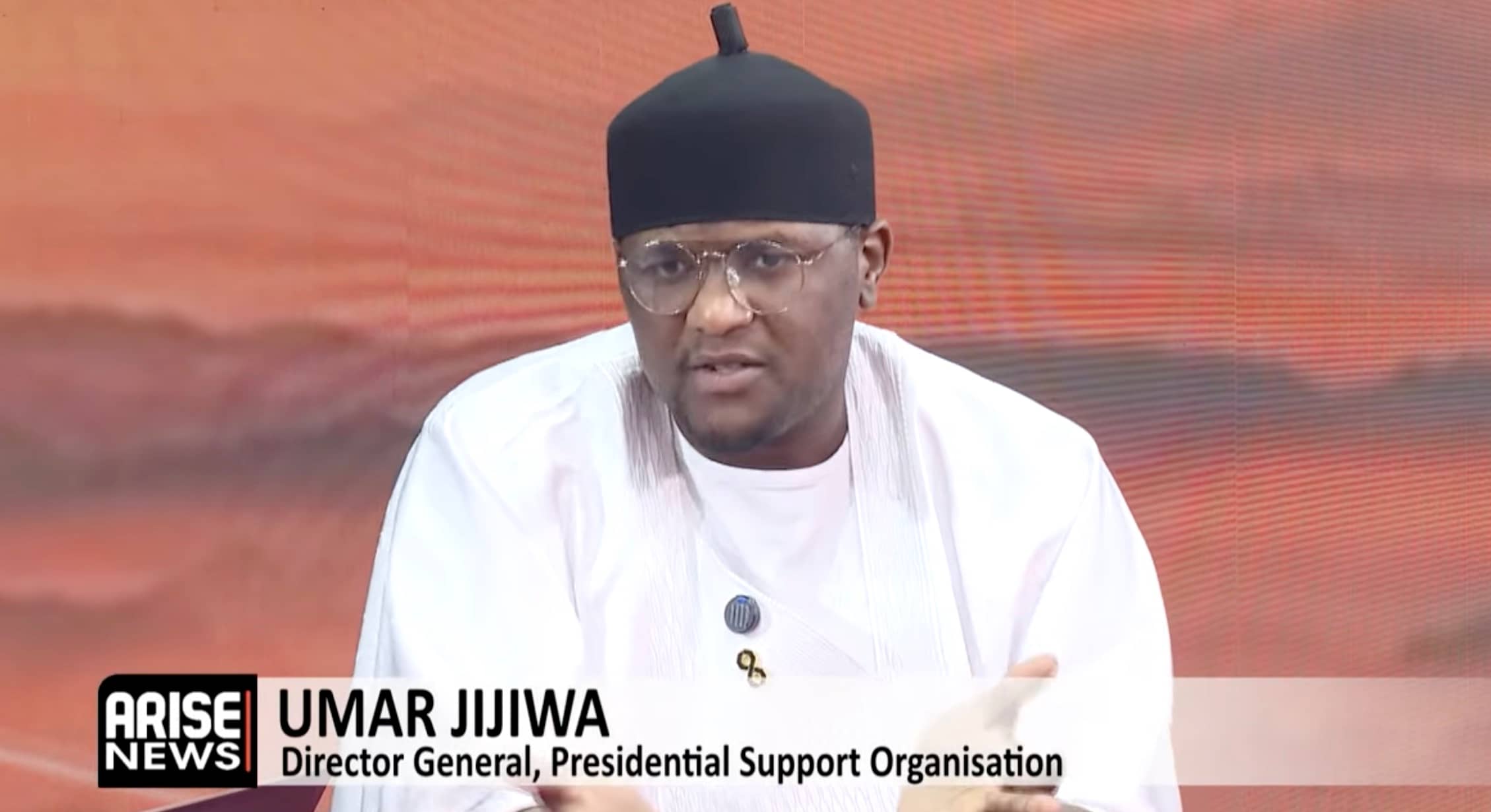
Umar Jijiwa, director-general of the Presidential Support Organisation, has characterized the emerging "rainbow coalition" as a significant evolution within Nigerian politics. Speaking during an interview on Arise News, Jijiwa stated that this political development challenges outdated ideas and creates space for broader alliances among various factions. He argued that the concept reflects the changing nature of politics in Nigeria, suggesting that archaic political concepts should give way to more expansive forms of cooperation.
Jijiwa emphasized that politics is evolving globally and specifically within Nigeria, allowing for new structures such as a rainbow coalition to emerge. He described both zoning and consensus arrangements as "old-school" ideas that should be extinct, marking a departure from traditional political frameworks that have long governed Nigerian electoral strategies. This shift signals a move away from rigid regional or religious quotas toward more fluid and strategic political partnerships.
Wike’s Strategic Vision for 2027
The discussion surrounding a broad rainbow coalition ahead of the 2027 general elections has been championed by Federal Capital Territory (FCT) Minister Nyesom Wike. Wike’s proposal aims to encourage politicians across party lines to support President Bola Ahmed Tinubu’s re-election bid. This initiative represents a significant attempt to consolidate political support beyond traditional party boundaries, leveraging the influence of key figures like Wike to bridge gaps between different political camps.
Jijiwa addressed recent comments made by Wike, who had described All Progressives Congress (APC) governors as "politically lazy." Jijiwa defended Wike’s characterization, noting that as a member of the People’s Democratic Party (PDP), Wike could not be expected to refrain from his party fielding candidates against the APC. This defense highlights the complex dynamics of political loyalty and strategy in Nigeria, where individuals often navigate multiple allegiances.
Historical Context and Zoning Debates
Furthermore, Jijiwa cited Wike’s past support for Asiwaju Bola Tinubu while Wike was still in the PDP as evidence of his commitment to zoning. Jijiwa noted that Wike believed it was time for the South to hold the presidency after the PDP refused to give the ticket to a Southern candidate. This historical reference underscores the long-standing debates over regional representation and the perceived inequities in presidential ticket allocations.
Jijiwa backed Wike’s claim that the PDP denied the South its presidential ticket in 2019, noting that no single Southern candidate ran for president that year due to respect for zoning principles. This assertion serves to validate Wike’s political narrative and justify his current advocacy for a more inclusive coalition model that addresses past grievances.
Implications for the 2027 Election Landscape
According to Jijiwa, President Tinubu would endorse any political move that gives him an advantage in the 2027 election competition. This statement suggests a pragmatic approach to coalition-building, where the primary goal is electoral success rather than ideological purity. Jijiwa stated that people have the right to change their beliefs, religion, or name, reflecting a broader acceptance of political fluidity and personal agency in the current political climate.
He warned against allowing followers of shifting politicians to become assets to the African Democratic Congress (ADC) or New Democratic Congress (NDC). This warning highlights the potential risks of political instability and the importance of maintaining strong party loyalty amidst evolving alliances. The concern is that fragmented support could benefit opposition parties, thereby diluting the APC’s dominance.
Clarification on Party Allegiance
When asked about calls for Wike to support the PDP presidential candidate, Jijiwa declined to comment. He stated that he is an APC member and only speaks to what is happening within his own party. This refusal to engage with external political pressures reinforces the boundaries of his role and the importance of maintaining a clear distinction between personal political views and official party positions.