

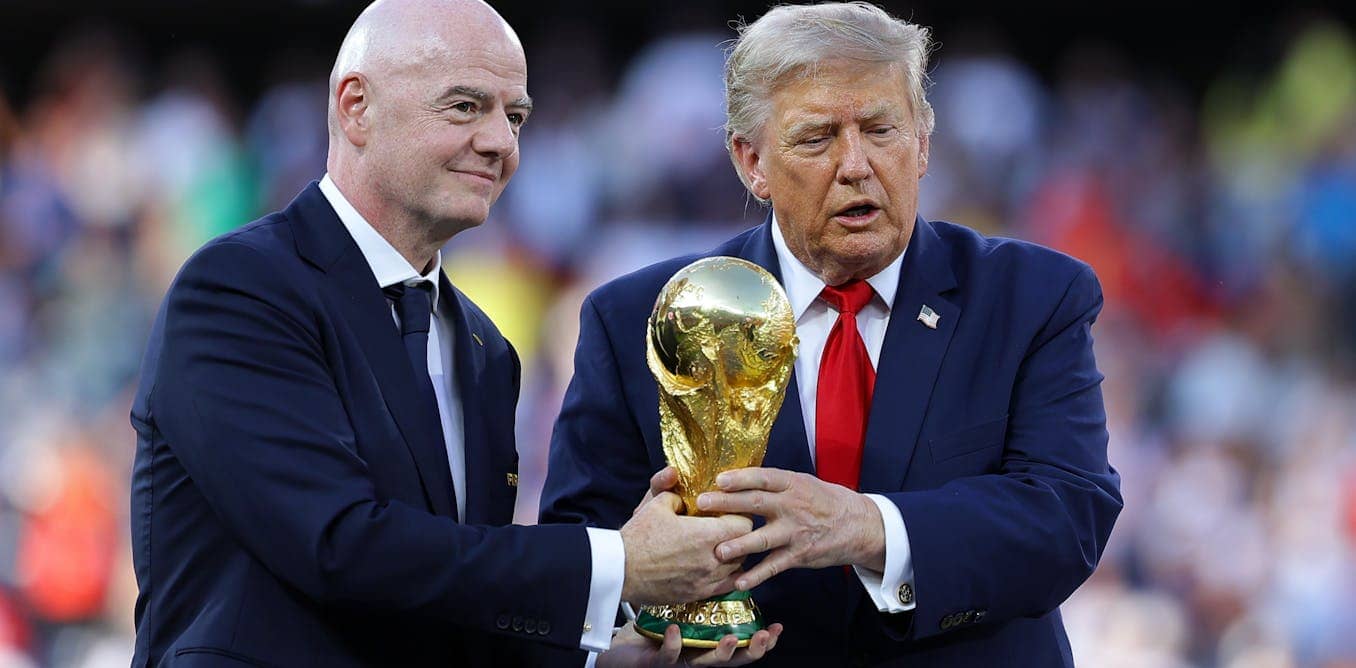

The Spectacle of Attendance and Security
Officials assessing the aftermath of the tournament have described the 2026 FIFA World Cup as a raging success. This characterization is based primarily on three specific metrics: attendance figures, the general atmosphere at venues across the host nation, and the complete absence of any major security incidents during the event.
The United States hosted a significant portion of the matches for this 39-day celebration of soccer, staging 78 out of the total 104 games scheduled. The sheer scale of operations required to manage these fixtures without reported large-scale disruptions stands in contrast to many prior expectations regarding international sporting events held within North America.
Despite a backdrop of myriad geopolitical fears that plagued the buildup phase of the tournament, including documented border disputes and visa crises affecting player movement, the event proceeded as planned. The execution of matches on US soil occurred even while these logistical hurdles remained active concerns for organizers and international bodies alike.
Diplomatic Friction Within a Successful Tournament
Controversies did occur during the competition period, which is consistent with expectations for major global sporting events. One specific instance involved a conflict between the United States and Iran, one of the nations competing in the tournament.
This diplomatic friction began shortly before the event commenced. Reports indicate that tensions existed to such an extent that war was reportedly started by the United States against Iran three months prior to the opening match. The situation required frantic negotiations conducted behind closed doors between relevant parties.
The Resolution of Host-Nation Disputes
Despite the severity of the reported conflict, Iran managed to participate in all three of its group games on US soil. This outcome highlights the complexity of maintaining sporting schedules amidst international political instability. The ability for Iranian players and fans to travel to American cities without incident suggests that diplomatic channels were successfully utilized to keep the tournament running.
Analysts note that one can only imagine the frantic negotiations required to facilitate this participation given the nature of the preceding conflict. These behind-the-scenes efforts enabled Iran to compete in its scheduled matches, a fact often overlooked when discussing broader geopolitical tensions surrounding the event.
Post-Tournament Political Fallout
In an ironic turn of events following the conclusion of this successful global spectacle, officials from powerful European nations are reportedly seeking the resignation of FIFA President Gianni Infantino. This push for leadership change occurs despite Infantino being credited with pulling off one of the globe's great spectacles.
European Pressure on International Football Leadership
The timing and nature of this political maneuvering suggest a disconnect between operational success in North America and administrative satisfaction within European football circles. The officials pushing for resignation have not offered specific public reasons tied directly to the tournament's execution, though their actions are widely reported.
Public Reception Versus Administrative Criticism
The article suggests that despite these challenges—including border disputes, visa crises, and diplomatic conflicts—the tournament is likely to be remembered positively by most fans. This anticipated public sentiment stands in stark contrast to the administrative criticisms levied against FIFA leadership.
Contrasting Narratives of Success
The narrative emerging from fan experiences focuses on the atmosphere generated during matches and the logistical success of hosting 78 games across multiple US cities. Conversely, the narrative within certain European political circles focuses entirely on administrative governance issues unrelated to the actual playing of football.
Historical Context Regarding Hosting Concerns
The event has been framed in part by a pre-existing fear that a United States World Cup would be a disaster. This specific concern was amplified when Donald Trump, who served as US President at the time, took office under an administration where many observers feared failure.
Legacy Assessment
The legacy of this event is now being assessed against those initial fears. The prevailing assessment indicates that these early predictions were incorrect. The tournament's outcome proves otherwise to critics who had anticipated a catastrophic administrative or logistical collapse under the specific political conditions present during the administration.
Specific Incident Details
The timeline of events is precise: three months before the event began, the conflict between Washington and Tehran escalated. This escalation occurred while preparations for 104 matches were underway across North America.
- Date of Conflict Escalation: Three months prior to tournament start
- Total Matches Hosted by US: 78 out of 104 total games
- Tournament Duration: 39 days
- Security Incidents Reported: None major during the event
The persistence of these specific details underscores the complexity of managing a global event when diplomatic relations between host and competitor nations are strained. The fact that all three Iranian group games proceeded on US soil remains a central point in discussions about the tournament's success.