


Judge Returns to Right Field for Series Opener
New York Yankees captain Aaron Judge made his much-anticipated return to the active roster on Tuesday night, stepping back onto the field as the starting right fielder and batting third in the team’s series opener against the Colorado Rockies. The 34-year-old slugger ended a significant 99-day absence from the major league lineup, a duration that coincidentally matched his iconic uniform number, 99.
Judge had not appeared in a game since May 31, missing a total of 84 contests during his recovery from a broken rib. His return was highly anticipated as the Yankees looked to bolster their offensive production late in the season, with the team eager to reintegrate their powerful captain into the lineup for the stretch run.
Performance in First Two At-Bats
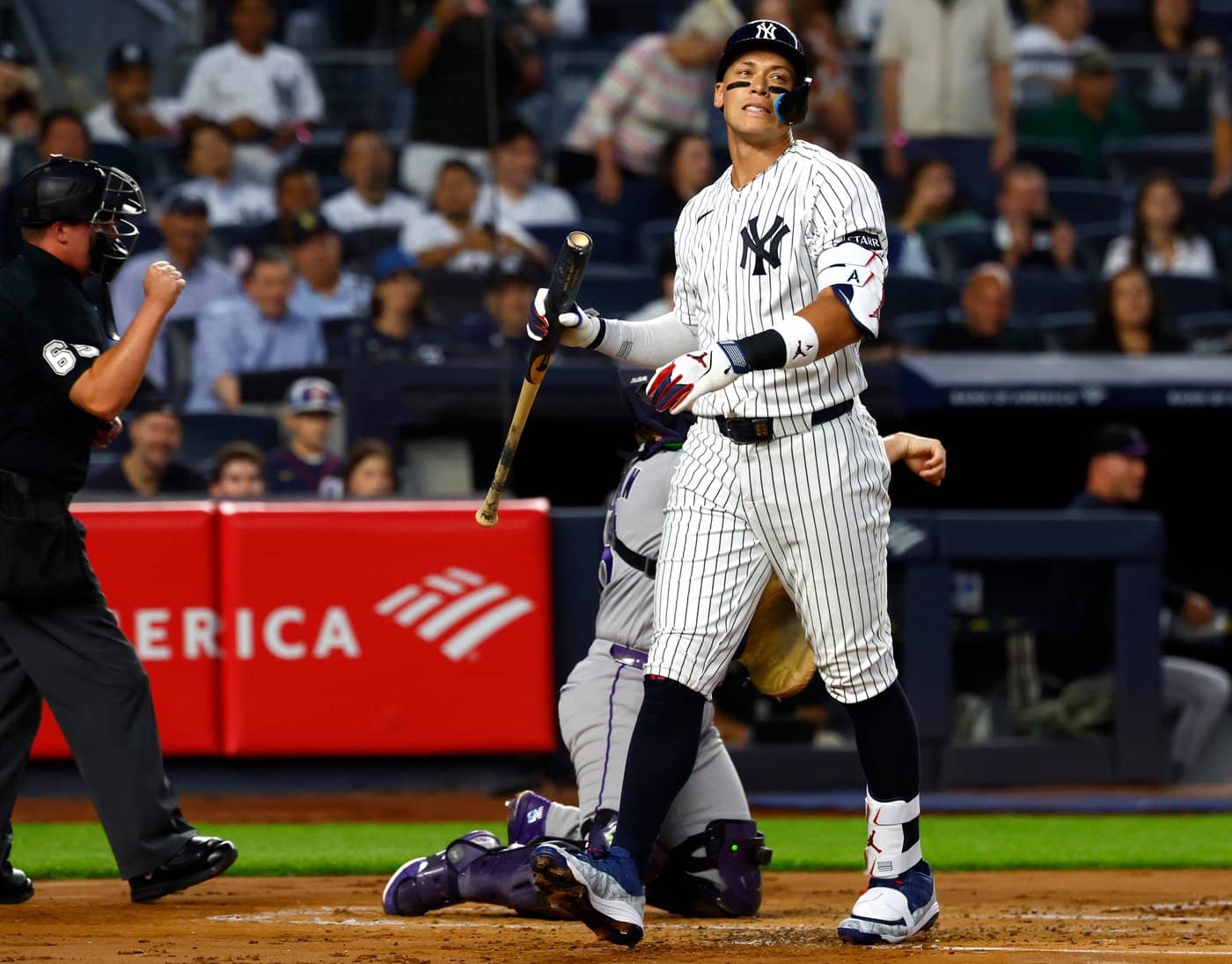
In his initial two plate appearances against Rockies rookie pitcher Gabriel Hughes, Judge did not record a hit, marking a cautious start to his comeback. In the top of the first inning, Judge fouled off two pitches before swinging under a four-seam fastball, resulting in a strikeout. This first at-bat represented his first competitive action in over three months.
His second plate appearance came in the fourth inning. Hughes fell behind 2-0 on the count, but Judge took a called strike on the next pitch. He subsequently flied out to deep right-center field on another fastball delivery, registering an out but showing some power in his swing. Despite the lack of immediate offensive production, the mere presence of Judge back in the lineup was a significant morale boost for the team and its fans.
Upon taking the field in the top of the first, Judge was observed smiling broadly and repeatedly tapping the interlocking “NY” logo on his jersey, according to reports from the game scene. This visible display of enthusiasm underscored his eagerness to rejoin his teammates and contribute after a lengthy period on the sidelines.
The Impact of Judge's Prolonged Absence
Aaron Judge’s 99-day layoff represented one of the longer interruptions in his career due to injury, marking a significant gap in his recent playing history. As the team’s captain and a formidable slugger, his absence left a considerable void in the Yankees’ lineup since his last appearance on May 31. During this period, the team navigated 84 games without their star player, impacting their offensive consistency and overall performance.
The nature of his injury, a broken rib, necessitated an extended recovery period. Rib fractures can be particularly debilitating for professional athletes, especially those involved in high-impact activities like batting and fielding, where core strength and rotational movements are crucial. The pain associated with such an injury can severely limit a player's ability to perform at an elite level, making a careful and complete recovery paramount.
Recovery and Reintegration Challenges
The decision by the Yankees’ medical staff and coaching decision-makers to opt for a gradual reintegration into game action, rather than an immediate full-time return, aligns with standard protocols for players recovering from rib fractures. This cautious approach is designed to prevent re-aggravation of the injury and ensure Judge’s long-term health and effectiveness for the remainder of the season and beyond. The process involved extensive rehabilitation, focusing on healing the bone and restoring full strength and mobility without discomfort.
For a player of Judge's caliber, who is not only a key offensive weapon but also a defensive presence in right field, ensuring he is fully prepared for the rigors of major league play is critical. The gradual reintroduction allows him to re-acclimate to game speed, timing, and the physical demands of playing every day, minimizing the risk of a setback after such a significant injury.
Manager Boone Limits Playing Time
Yankees manager Aaron Boone made it clear that Aaron Judge’s return would be managed carefully to avoid re-aggravating his injury. Boone stated Tuesday afternoon that Judge would not play the entirety of the game, despite the captain's expressed desire to do so. This decision underscores the team's commitment to prioritizing Judge's health and ensuring a sustainable return to play.
“He won’t play the whole game today, even though he wants to,” Boone said, emphasizing the necessity of adhering to a structured plan. The manager added that Judge would likely receive a day off during one of the remaining games in the series against Colorado, further illustrating the measured approach to his workload. This strategy aims to build up his stamina and game readiness progressively, rather than pushing him too hard too soon after a lengthy layoff.
Strategic Management of a Key Asset
The strategic management of Judge's playing time reflects the Yankees' broader objective of having their three-time American League Most Valuable Player available and healthy for the crucial late-season push. By limiting his initial exposure and planning for rest days, the team aims to maximize his impact while minimizing the risk of another injury. This careful handling is a testament to Judge's importance as a core player and leader within the organization, whose long-term availability is vital for the team's aspirations.