

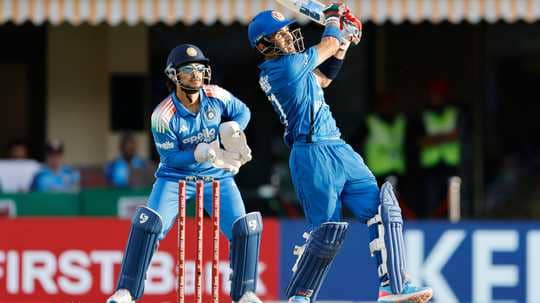

Cricket Scheduling Linked to Diplomatic Developments
The official schedule for the T20 International series between the national teams of India and Afghanistan remains contingent upon the successful conclusion of an ongoing Indian cricket tour in Bangladesh. According to reporting from Cricbuzz, the timing and feasibility of the India-Afghanistan fixture are directly tied to the logistical and diplomatic outcomes of the preceding match series involving Bangladesh.
Reports indicate that improved relations between New Delhi and Dhaka have positively influenced the prospect of the bilateral tour proceeding as planned. This development is not viewed merely as a sporting scheduling adjustment but rather as an indicator of broader geopolitical shifts in South Asia. The specific catalyst for this optimism involves high-level diplomatic gestures exchanged between the two nations.
Central to these improved relations was India's formal invitation extended to Bangladesh leadership for attendance at the BRICS Summit. This event, involving leaders from major emerging economies including Brazil, Russia, India, China, and South Africa alongside African Union representatives, serves as a significant diplomatic platform. The inclusion of Bangladeshi leadership in such high-profile summits is often interpreted by analysts and observers within the region as evidence of strengthened bilateral ties.
According to Cricbuzz, the invitation for Bangladesh's leadership to attend the BRICS Summit has revived hopes that the cricket tour will go ahead. The logic follows a pattern where political goodwill facilitates sporting agreements in this specific regional context. When diplomatic channels are open and high-level meetings occur without incident or public dispute, administrative bodies responsible for scheduling international fixtures find it easier to finalize dates and secure necessary permissions.
The connection between the India-Bangladesh tour and the subsequent Afghanistan-India series is described as a potential knock-on effect. While no direct causal link is explicitly stated in terms of contractual obligations within the provided notes, the reporting suggests that the atmosphere created by successful India-Bangladesh engagements sets a precedent for future scheduling involving neighboring nations.
Historically, sporting exchanges between South Asian neighbors have fluctuated based on political climates ranging from cordial cooperation to periods of tension. The current situation represents a shift toward stability and cooperation. By securing a positive outcome in the Bangladesh series through diplomatic reinforcement via the BRICS Summit invitation, stakeholders involved with cricket administration are reportedly more confident that similar logistical hurdles will not impede future fixtures.
The specific details regarding how exactly one tour determines another remain part of the internal scheduling processes managed by relevant boards. However, external observers and media outlets highlight the correlation between political invitations to summits and the green light for sporting events. The invitation itself acts as a tangible metric for improved relations.
Regional Dynamics Influencing Fixture Planning
The broader context of South Asian geopolitics plays an underlying role in cricket scheduling decisions that are often made behind closed doors but reflected publicly through media reports. In the current geopolitical landscape, events involving India and its neighbors frequently intersect with sports diplomacy.
According to Cricbuzz, improved diplomatic ties have specifically highlighted by the invitation for Bangladesh's leadership to attend a major international gathering like the BRICS Summit. This event underscores the willingness of New Delhi to engage constructively with Dhaka on multiple fronts beyond just cricket administration.
The potential impact extends beyond immediate scheduling concerns. A successful tour in one bilateral relationship can create momentum that encourages other regional partners, such as Afghanistan, to finalize their own series dates more quickly or confidently. This ripple effect suggests a trend where sporting diplomacy is increasingly used to normalize and stabilize relationships between nations that may have experienced previous political friction.
While the specific mechanisms for how an India-Bangladesh tour outcome translates into an India-Afghanistan schedule are not fully detailed in public reports, the correlation noted by Cricbuzz suggests a unified approach or at least a parallel track of diplomatic engagement. The presence of Afghanistan as another neighbor adds complexity to scheduling but also offers opportunities for broader regional integration through sport.
The BRICS Summit invitation serves as a concrete example of how political decisions can directly influence sporting calendars. Leaders attending such summits often carry messages that impact various sectors, including sports and culture. When leaders are invited together or when one nation extends an invitation to another's leadership for such events, it signals a level of trust and cooperation that administrative bodies in charge of cricketing schedules rely upon.
Observers note that the timing of these diplomatic moves is crucial. The revival of hopes for the tour coincides with specific dates related to the BRICS Summit planning process. This synchronization indicates that political calendars often dictate sporting ones in South Asia, a dynamic distinct from other global regions where sports and politics may operate on more separate timelines.
Implications for Future Bilateral Engagements
The success of diplomatic initiatives like the BRICS Summit invitation provides a foundation for future cricketing engagements. If India-Bangladesh relations continue to improve, it could lead to increased frequency or higher-profile matches between these nations and their neighbors.
According to Cricbuzz, the knock-on effect on the Afghanistan-India T20I series suggests that stability in one bilateral relationship can bolster confidence in others. This interconnectivity is vital for maintaining a robust cricketing calendar across South Asia, which often faces challenges related to political instability or diplomatic disputes.
The specific mention of improved ties being highlighted by summit invitations reinforces the idea that high-level diplomacy acts as an enabler for sporting cooperation. Without such political backing, administrative bodies may face delays in securing visas, permits, or neutral venues required for international matches.
As scheduling decisions are finalized based on these diplomatic undercurrents, stakeholders monitor how quickly and smoothly one series concludes before the next is announced. The current trajectory points toward a more cooperative environment where sporting events proceed without significant interruption due to political factors.