


Operational Deployment in Recent Conflict
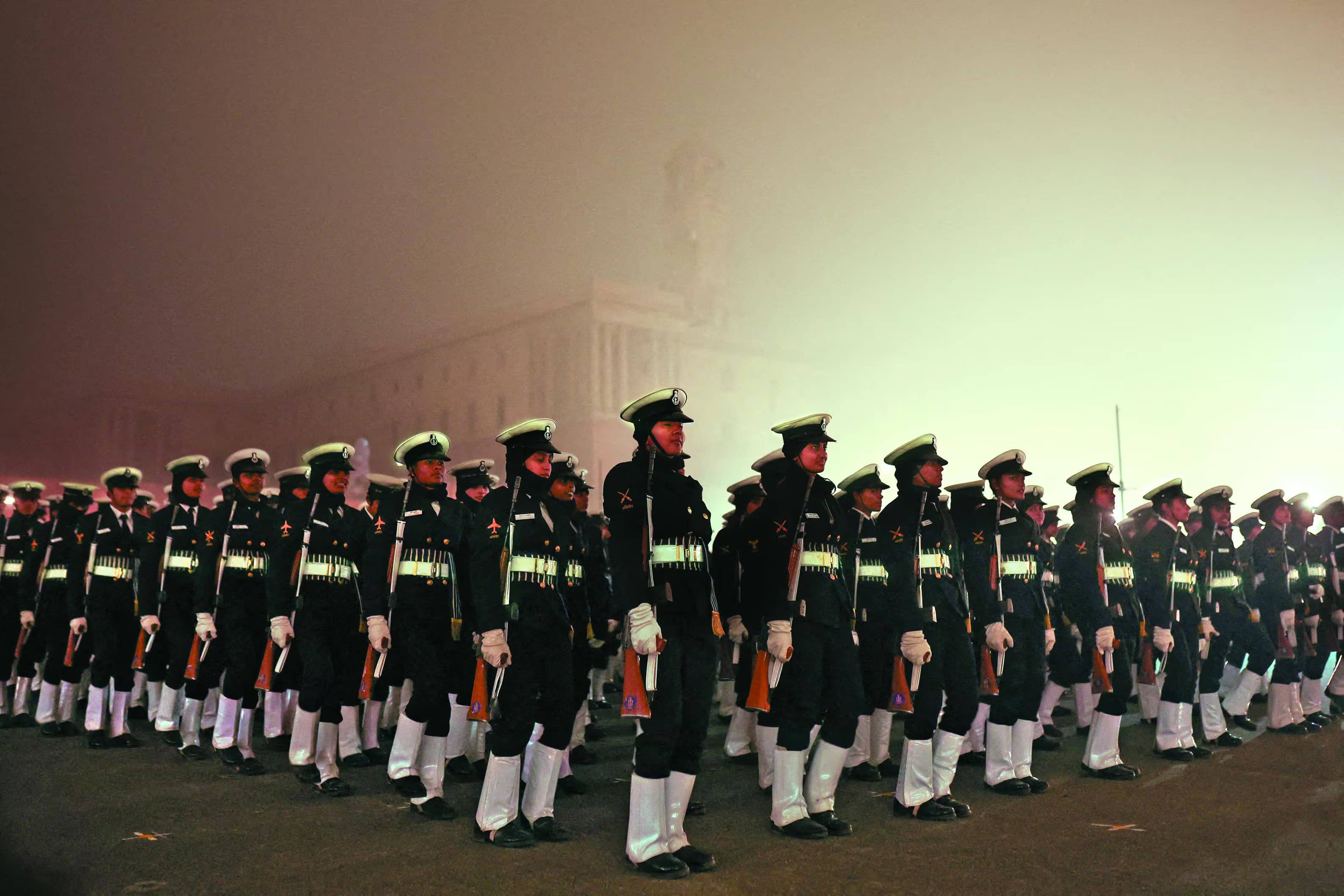
The Indian Army deployed thousands of soldiers during the India-Pakistan conflict in May last year, including 3,000 Agniveer cadets recruited through the central government’s Agnipath policy in late 2022. During Operation Sindoor, these cadets were assigned critical roles across multiple branches of the military.
Agniveer cadets operated air defense systems, handled weapons and military communication devices, and drove missile- and gun-mounted vehicles. The operational scope extended beyond the army; Agniveer Vayu cadets helped operate Indian Air Force missile systems, while Agniveer sailors were stationed aboard an Indian Navy carrier battle group in the Arabian Sea.
The deployment carried significant risks for the young recruits. Mood Muralinaik, a 24-year-old Agniveer cadet, died in action on May 9, 2025. His death underscores the immediate stakes of integrating short-term contractual soldiers into active combat zones.
Policy Structure and Retention Metrics
The Agnipath policy was approved by the cabinet in June 2022. At that time, the Ministry of Defence described the initiative as a "transformative reform" intended to make India’s armed forces more youthful and technology-savvy. Under the scheme, individuals aged 17.5 to 21 enroll for four-year tenures.
This structure differs from regular entry, which covers ages 17.5 to 25. Unlike countries such as Singapore or Israel, India does not have mandatory military service. The policy relies on voluntary enlistment within a specific age bracket for a fixed duration.
The first batch of over 43,000 Agniveer cadets is set to complete their service later this year. Of this initial cohort, approximately 40,000 are in the army, with about 3,000 each serving in the navy and air force.
Retention rates under the policy are limited by design. Only 25 percent of the first batch will remain in service as mandated. The Indian Army is expected to retain almost 10,000 cadets, while the navy and air force will keep about 750 each from their respective batches.
The remaining cadets will receive a tax-exempted final settlement of approximately 11.71 lakh ($12,210). To assist with transition, the Ministry of Home Affairs announced in July that there would be a 50 percent reservation for exiting cadets in two entry-level posts in paramilitary units and Central Armed Police Forces (CAPFs). State governments may also voluntarily absorb them into local law enforcement.
Controversy and Rehabilitation Challenges
The Agnipath policy has faced significant controversy since its inception, including widespread protests, court cases over monetary compensation, and political criticism. The Indian Army had not responded to questions regarding the operational impact of the cadets by press time.
A primary concern for the policy's longevity is the lack of clarity regarding the future of exiting soldiers. According to Blueprint’s reporting based on interviews with defense and government sources, cadets, and veterans, the success of Agnipath hinges on government clarity and acceptance by the armed forces, neither of which currently exists in full measure.
Military veterans argue that the central government should issue clear guidelines on Agniveer rehabilitation for states and enterprises. However, government sources contend that the policy "should evolve organically" from within the armed forces, a process that has not yet occurred.
Practical challenges also exist in the civilian sector. About 34,500 cadets leaving the services may join paramilitary, police, public or private defense companies, or other workplaces. Potential hirers have questioned how to utilize their specific skillsets in non-defense settings, raising concerns about the long-term viability of the career transition promise.