


Protests Spread Nationwide From Paris Suburbs
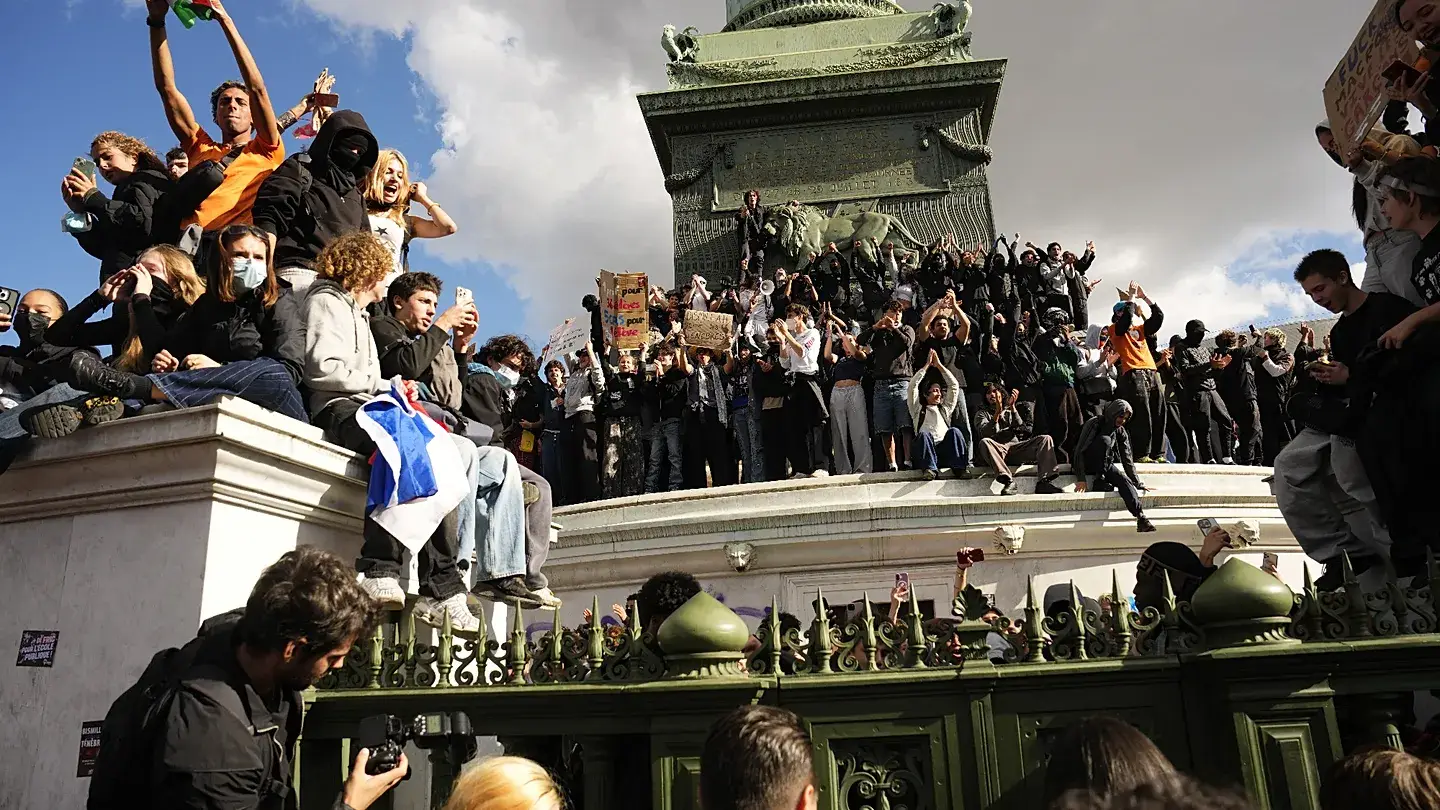
Student protests and school blockades that began in the suburbs of Paris in mid-September have rapidly expanded across France, drawing significant international attention. The movement has been characterized by dramatic imagery, including students climbing the column at Paris' Place de la Bastille, which captured global media coverage.
The scale of the demonstrations has prompted political figures to comment on their historical significance. Jean-Luc Mélenchon, leader of the France Unbowed party, declared on the social media platform X that the Bastille had been "retaken," framing the student unrest within a broader context of civic action.
Education Minister Édouard Geffray made an announcement regarding the movement on Thursday, addressing the government's response to the ongoing disruptions in the education sector. The grievances driving the protests include complaints about long school days, overcrowded classrooms, run-down facilities, and widespread teacher absences.
European Resonance and Upcoming Demonstrations
The unrest has extended beyond France's borders, resonating with students across Europe. Similar protests have been staged by students in Belgium and Italy, indicating a regional pattern of dissatisfaction among youth populations regarding educational conditions.
Organizers have scheduled further actions to sustain momentum. Another day of protests, backed by student groups and trade unions, is set for Tuesday, 13 October. Additionally, a separate demonstration against the cost of living crisis and rising fuel prices is planned for 17 October. This later event may mark the return of the yellow vest grassroots movement, which previously organized large-scale demonstrations in France.
Political Fallout and Election Implications
The student protests are occurring against a backdrop of political instability and economic strain. France's minority government is currently struggling to secure parliamentary support for its 2027 budget, facing resistance from opposition parties who oppose proposed austerity measures. The government projects that the public deficit will reach 5.4% of GDP in 2026, a figure among the highest levels in the eurozone.
Public sentiment appears to be shifting in response to these challenges. A poll conducted by Ifop between 25 and 29 September found far-right National Rally party leader Marine Le Pen leading at 35%. She is followed by Edouard Philippe at 15% and Jean-Luc Mélenchon at 14%, highlighting the fragmented nature of the political landscape ahead of the presidential election.