

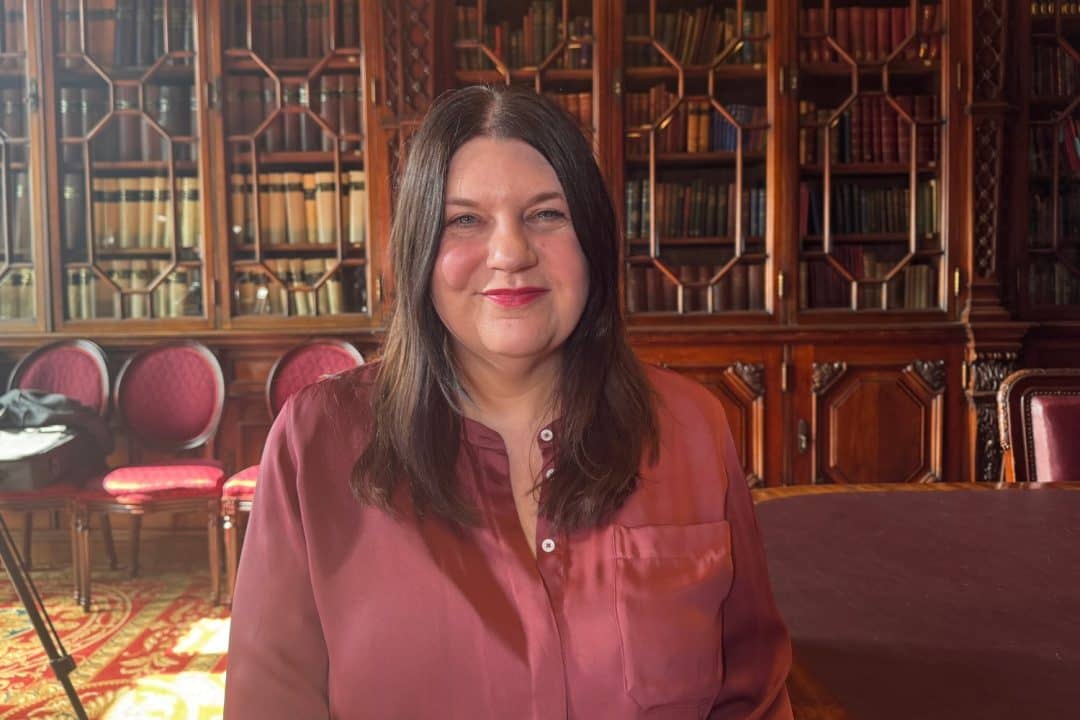

Aitken Concludes Nine Years Leading Glasgow Council
Susan Aitken is preparing to step down from her position as leader of Glasgow City Council, bringing to a close a significant nine-year tenure at the helm of Scotland's largest local authority. The announcement marks the conclusion of a substantial period in the city's recent governance, during which Aitken held the top executive role within the council structure, overseeing a wide array of public services and strategic initiatives for the urban center.
As she prepares to leave office, Aitken has issued a public assessment of her time in power, offering a direct evaluation of Glasgow's status relative to the beginning of her leadership. Her departure will initiate a transition period for the Scottish local authority, which is responsible for providing essential services to one of Scotland's largest and most diverse urban populations, encompassing everything from education and social care to infrastructure and environmental management.
Her nine years in office represent a considerable duration for a local government leader, providing a degree of continuity and stability to the council's executive direction. This period has spanned multiple local election cycles and broader political shifts within Scotland, allowing Aitken to shape policy and strategic priorities over an extended timeframe.
Assessing Glasgow's Progress Under Aitken's Leadership
In statements regarding her legacy and the current state of Glasgow, Aitken asserted that the city is "safe and in a better place than before I became leader." This characterization serves as her primary summary of the outcomes achieved during her nine-year period in charge, positioning her tenure as a period of marked improvement and enhanced security for the city's residents.
This self-assessment is a common practice for departing leaders, offering a definitive statement on their perceived achievements and the impact of their administration. Aitken's specific phrasing highlights two critical areas of urban governance: public safety and overall municipal well-being, suggesting these were key priorities and successes during her time in office.
The Scope of Municipal Improvement
The assertion that Glasgow is "in a better place" constitutes a positive evaluation of municipal conditions under her administration. This broad claim can encompass various aspects of urban life, including economic development, social progress, environmental initiatives, and the efficiency of public services. By linking this improvement directly to her leadership timeline, Aitken frames her tenure as a period of net progress and positive transformation for the city, implying that her policies and decisions contributed to a tangible uplift in the city's fortunes.
Such a statement often invites scrutiny into specific metrics and developments that would support a claim of overall improvement. For a city like Glasgow, being "in a better place" could refer to advancements in areas such as regeneration projects, public transport infrastructure, cultural investments, or efforts to address social inequalities. Aitken's statement positions her leadership as instrumental in fostering these positive changes.
Prioritizing Public Security
Furthermore, her specific claim that the city is "safe" addresses public security concerns, which are often central to political discourse and public sentiment in major urban centers. The perception and reality of safety are crucial for residents' quality of life, business investment, and the city's overall reputation. This statement provides a factual basis for her defense of her record, positioning safety and general improvement as key metrics of success during her time in office.
Addressing public safety directly reflects a leader's commitment to law and order, community well-being, and the effectiveness of local policing and social programs. For Aitken to highlight Glasgow's safety as a key achievement suggests a focus on reducing crime, enhancing community cohesion, and ensuring a secure environment for citizens. This emphasis underscores the importance of security as a foundational element of a thriving urban environment, and a core responsibility of local government leadership.
Transitioning from a Long-Serving Council Head
The decision to step down comes after Aitken has served as the leader of Glasgow City Council for nine years, making her one of the longest-serving leaders in the council's recent history. This duration highlights the stability and consistent direction she provided to the council's leadership structure during a period that spans multiple local election cycles and broader political shifts in Scotland. A long tenure often allows for the implementation of long-term strategies and the consolidation of policy initiatives, leaving a distinct imprint on the city's trajectory.
Her preparation to leave the role suggests an imminent change in the executive direction of the council. The end of her leadership will likely trigger internal processes to select a successor, as the council seeks to maintain continuity in its administrative functions while adapting to new leadership perspectives. This transition period is critical for ensuring the smooth operation of city services and the continued pursuit of Glasgow's strategic goals.
The Search for a Successor
Current reports indicate that Aitken is preparing for her departure but have not detailed the specific timeline for her exit or the identity of any potential replacements. The focus remains on her final statements and the conclusion of her long-standing role as the council's leader, rather than on the immediate future leadership. The process of selecting a new leader for Glasgow City Council will involve internal party deliberations, followed by a formal election within the council, ensuring that the new leader is chosen through established democratic procedures to guide the city forward.