


Ballot Measure 1 Clears Approval Threshold in Early Tallies
Alaska is on course to approve new campaign donation limits through Ballot Measure 1 following Tuesday's statewide primary election. Unofficial tallies indicate that more than 70 percent of participating voters approved the measure, signaling a significant shift in state regulations regarding political financing.
As of early Wednesday morning, with 377 out of 402 precincts reporting, 71.5 percent of voters supported Ballot Measure 1. The results reflect the outcome of a vote that took place on Aug. 17, 2026, during which voters lined up at various locations across the state to cast their ballots.
The measure is designed to restrict the amount of money political candidates can receive from groups and individuals. By passing this initiative, Alaska voters have established new caps on campaign contributions that will apply to future electoral cycles within the state.
Election Day Logistics and Voter Participation
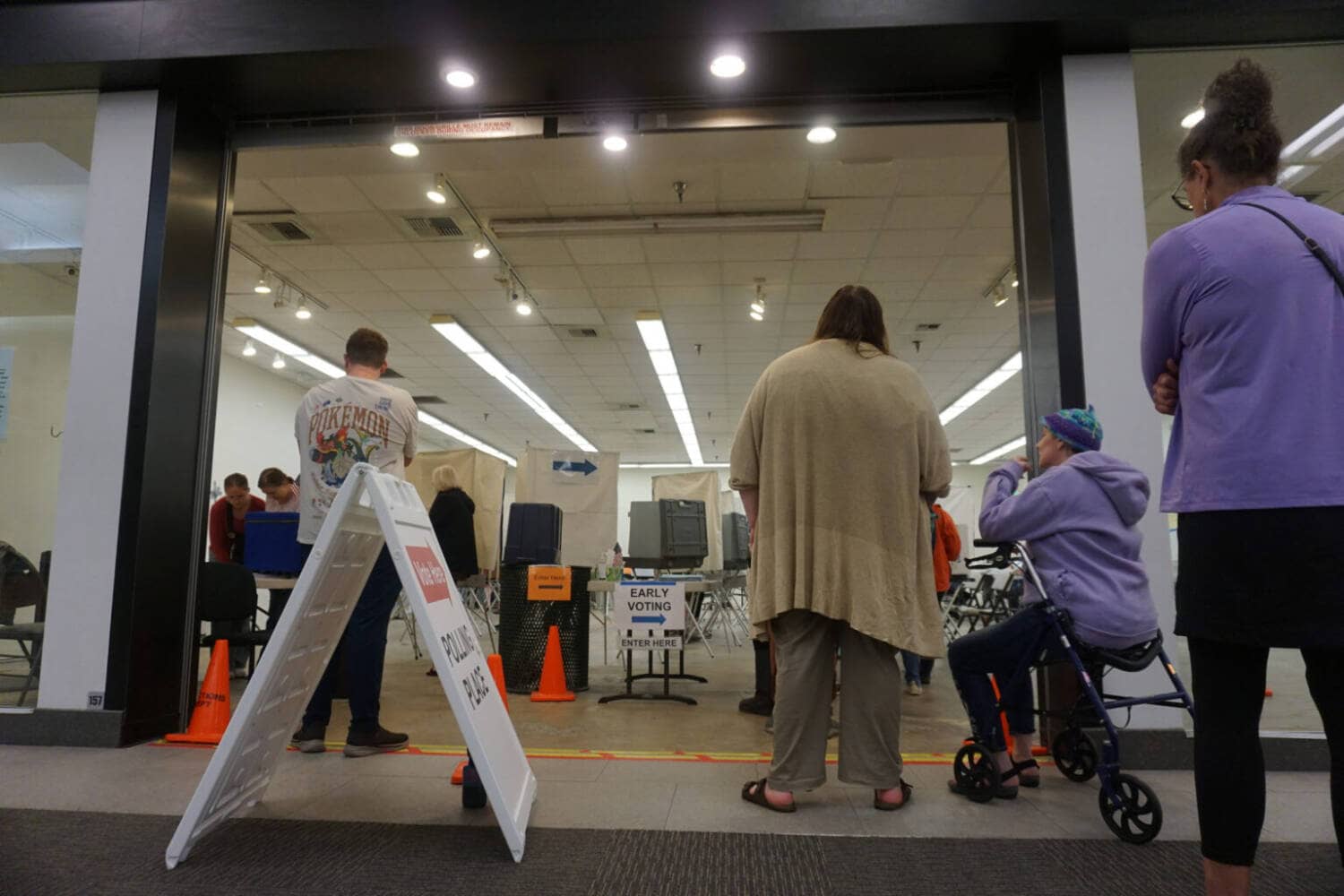
Voting activity was observed at multiple sites across Alaska during the primary election period. In Anchorage, early voting stations were set up at the Midtown Mall on Aug. 17, 2026. Reports from that day indicated that voters waited approximately an hour to cast their ballots at these locations.
The Peninsula Clarion and the Juneau Empire reported on the election results, noting the overwhelming support for the donation limits in early tallies. James Brooks of the Alaska Beacon provided coverage of the event, including photographs by Yereth Rosen documenting the voter lines at the Anchorage early voting station.
Precinct Reporting Timeline
The reporting of results continued into Wednesday morning. By 2 a.m. on Aug. 19, 2026, data from 377 precincts had been compiled and analyzed. The remaining 25 precincts out of the total 402 were still in the process of reporting their counts at that time.
The 71.5 percent support figure was derived from this partial count. Election officials and observers have cited these early numbers as indicative of the final outcome, given the high percentage of precincts already reporting and the strong margin of approval for the measure.
Impact on Political Campaign Finance
The approval of Ballot Measure 1 introduces new constraints on political fundraising in Alaska. The specific provisions of the measure limit the total contributions that candidates can accept from individual donors and organized groups. These limits will govern how campaigns raise funds for future elections.
Before this vote, there were no such statewide caps imposed by ballot measure. The passage of Measure 1 establishes a regulatory framework that candidates must adhere to when soliciting donations. This change affects both incumbent politicians and those seeking office for the first time.
Source Attribution for Election Data
The statistics regarding voter support and precinct reporting are attributed to early tally reports released on Wednesday, Aug. 19, 2026. The specific figure of 71.5 percent support comes from the count of 377 out of 402 precincts. These numbers were reported by multiple outlets including the Peninsula Clarion and the Juneau Empire.
No opposing party responses or formal criticisms of the measure were included in the early reporting data available at the time of publication. The focus of the election coverage remained on the passage of the measure and the logistical aspects of the voting process.
Next Steps for Implementation
With the unofficial tallies confirming approval, Ballot Measure 1 is expected to become law. The new donation caps will take effect according to the timeline established by state election codes. Candidates for upcoming elections will need to adjust their fundraising strategies to comply with these new limits.
The measure does not specify a phase-in period in the provided reporting data. Instead, it sets immediate restrictions on the amounts candidates can accept from groups and individuals. This applies to all political campaigns operating within Alaska's jurisdiction.
Voters who participated in the Aug. 17, 2026, primary election have thus determined the parameters for campaign finance in the state. The result reflects the preference of the majority of those who cast ballots on this specific issue.