


Appointment of Successor Scheduled for Thursday
Ulster Unionist Party leader Jon Burrows announced that he will name the party’s new Stormont health minister on Thursday. This critical announcement is intended to address the significant political fallout resulting from the resignation of Mike Nesbitt, who stepped down from the prominent role on Tuesday. The swift action to appoint a successor underscores the urgency of maintaining stability within Northern Ireland's devolved government, particularly concerning the vital health portfolio.
The departure of Nesbitt has created a high-profile vacancy within the Stormont executive, a position that carries immense responsibility for the planning and delivery of healthcare services across the region. Burrows stated that the identification of a new minister would occur during the upcoming week, aiming not only to fill the departmental void but also to stabilize the party's position in the health department amidst internal tensions. The health ministry is often one of the most challenging portfolios in any devolved administration, directly impacting the daily lives of citizens and requiring clear leadership and consistent policy direction, making a prompt appointment crucial.
Origins of a Deep Policy Rift Over Causeway Hospital
The resignation of Mike Nesbitt followed an acrimonious disagreement between him and party leader Jon Burrows concerning a highly contentious proposal: the withdrawal of emergency general surgery services from Causeway Hospital in Coleraine, County Londonderry. This conflict centered on a specific plan that had been recommended by health trust bosses, indicating a professional assessment of service delivery needs, yet it became a flashpoint for political division within the Ulster Unionist Party.
The dispute intensified significantly last week, moving from internal party discussions to public confrontation during a town hall meeting held in Coleraine. At this event, Burrows publicly stated his unequivocal opposition to the withdrawal plan proposed by the health trust. This public declaration of his stance, directly contradicting the policy direction seemingly being pursued by his own health minister, marked a profound point of contention and a visible breakdown in party unity on a critical public service issue. The public nature of this disagreement highlighted a deep rift at the heart of the party's approach to a sensitive healthcare matter.
Nesbitt’s Resignation Letter Details Governance Concerns
In a resignation letter described as "hard-hitting," Nesbitt outlined his reasons for leaving the post, which went beyond the immediate policy disagreement. He indicated that he had not yet confirmed whether he intended to push ahead with implementing the withdrawal proposal before departing, suggesting that the process was still under review or negotiation when the public disagreement erupted, further complicating the internal dynamics.
A primary and deeply significant grievance cited by Nesbitt was the manner in which he learned of Burrows' position on the issue. In his letter, Nesbitt explicitly stated that he would not serve as a minister who learns about his party leader’s views on key issues through the media. This comment highlighted a critical breakdown in internal communication, trust, and the expected protocols of a cohesive political party and government. Such a public revelation of a leader's stance, bypassing direct communication with the relevant minister, can significantly undermine a minister's authority and ability to govern effectively, creating an untenable working environment.
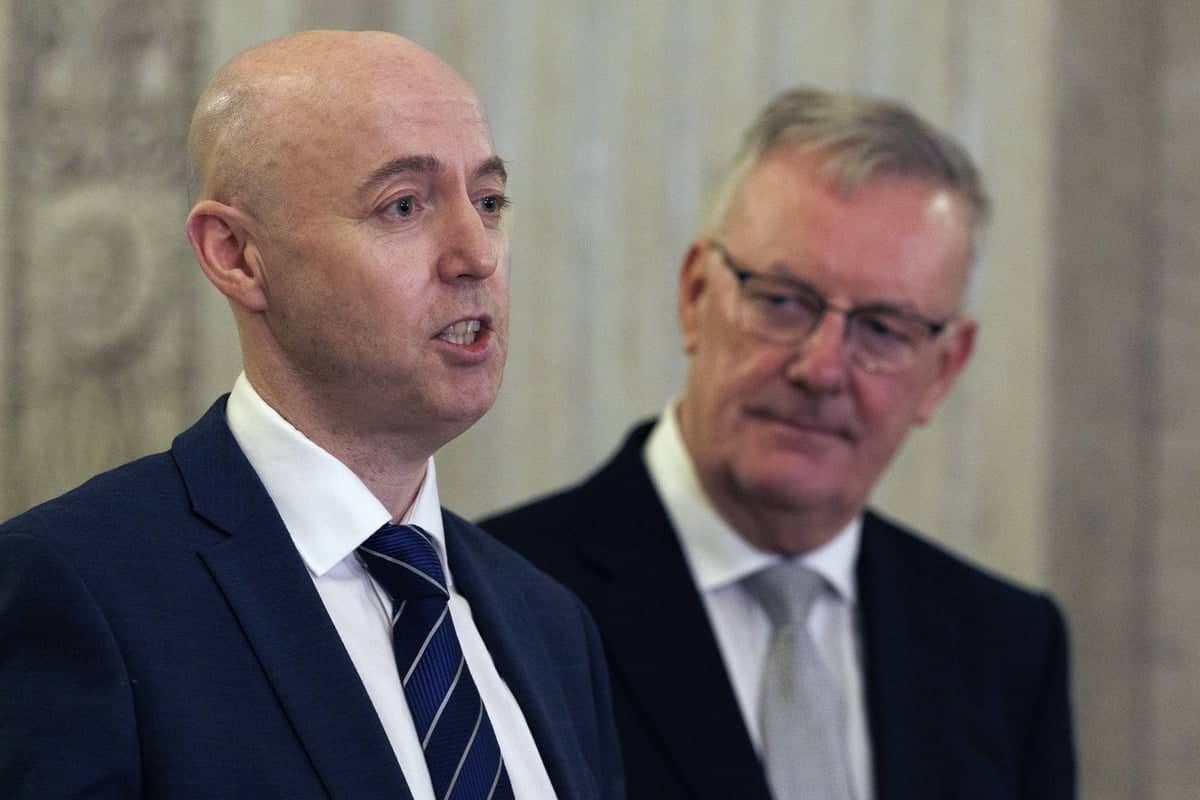
The resignation has inevitably drawn attention to the dynamics within the Ulster Unionist Party leadership. While Burrows and Nesbitt were previously pictured together at a press conference in January, indicating a prior working relationship and a semblance of party unity, the recent dispute over healthcare policy has clearly fractured that relationship, bringing internal party tensions into the public sphere and raising questions about the UUP's internal governance and future cohesion.
Challenges for Northern Ireland's Health Landscape
The withdrawal of emergency general surgery from Causeway Hospital remains a central and highly sensitive issue within Northern Ireland's broader health landscape. Such services are often considered cornerstones of local healthcare provision, and their potential removal can provoke significant community concern regarding access to critical care, particularly in rural or regional areas. The plan was originally recommended by health trust bosses, implying it was based on expert assessment of clinical need or resource allocation, but its implementation has been decisively stalled by the political disagreements that emerged within the governing coalition and specifically within the UUP.
By resigning, Nesbitt effectively removed himself from the immediate decision-making process regarding the contentious hospital services. This action, however, does not resolve the underlying policy challenge. Instead, the incoming minister appointed by Burrows will inherit this unresolved policy question and will face the immediate task of determining how to proceed with the recommendations made by health trust officials, while also navigating the political fallout from the previous minister's departure and the public expectations surrounding the issue.
The timing of Burrows' announcement on Thursday suggests an effort to quickly restore functionality and leadership to the Stormont health department. However, the fundamental disagreement over the Causeway Hospital services, and the manner in which it was handled, remains a significant point of contention. This episode will likely affect not only future policy decisions in the region but also the internal cohesion of the Ulster Unionist Party and public confidence in the stability and transparency of healthcare planning in Northern Ireland.