

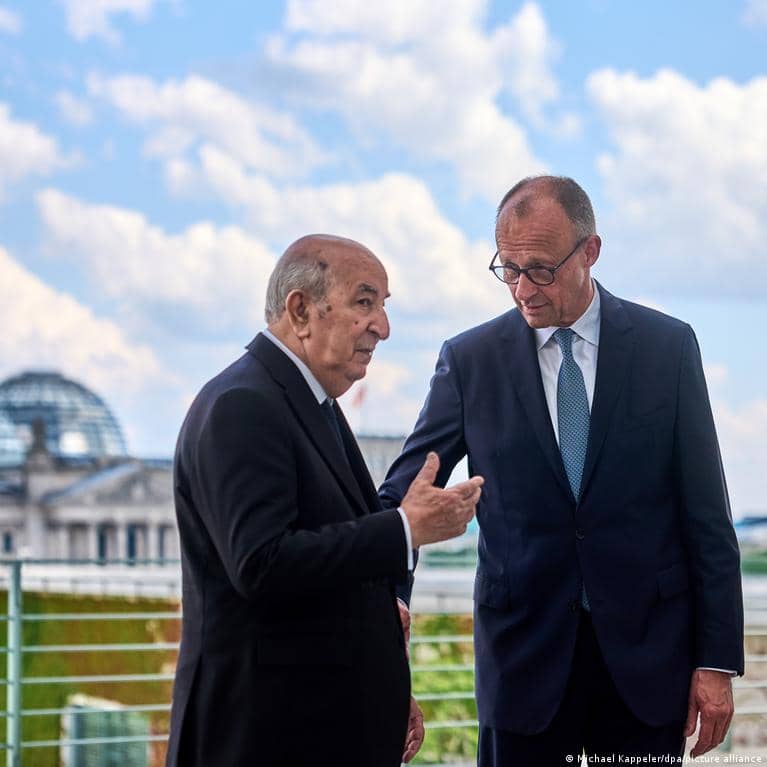

Deepening Ties Between Algiers and Berlin
Algeria is seeking a larger role in the European Union's energy landscape. This diplomatic push coincides with heightened regional instability across North Africa. During President Abdelmadjid Tebboune’s recent visit to Germany, both nations agreed to deepen their existing energy partnerships. The agreement was formalized during discussions held between Algerian and German leadership.
The two-day trip marked a significant milestone for the host nation's leader. It represented President Abdelmadjid Tebboune’s first official visit to Germany since he assumed office in 2019. The timing of this state visit was noted by officials on both sides as particularly important given current geopolitical conditions.
German Chancellor Friedrich Merz and Algerian President Abdelmadjid Tebboune issued a joint statement following their meetings. In the document, they emphasized “the quality of cooperation” between their respective countries. They also pledged to deepen long-term energy cooperation as part of this strategic dialogue.
Cerstin Gammelin, spokesperson for German President Frank-Walter Steinmeier, posted a statement regarding the discussions on Thursday via social media platform X. She noted that “Algeria is a central partner for Europe’s energy security.” The spokesperson outlined specific areas where collaboration would be expanded.
According to Gammelin, natural gas supplies are intended to increase between the two nations. Cooperation on renewable energies was also identified as a key component of the renewed partnership. In addition to these immediate goals, officials discussed establishing infrastructure for future energy transport.
The long-term objective involves creating what is described as a southern hydrogen corridor. This proposed route would connect North Africa directly with Germany. Such an initiative aims to diversify supply lines and integrate renewable sources from African regions into European grids.
Domestic Challenges in Algiers
While diplomatic efforts focus on international energy markets, the Algerian government continues to manage internal pressures at home. President Tebboune’s administration is currently grappling with several complex issues that impact national stability and foreign policy priorities.
Tensions related to Western Sahara remain a persistent factor in Algeria’s regional relations. The status of the disputed territory continues to influence diplomatic stances across North Africa, requiring careful navigation by Algerian officials during high-level visits like the one to Berlin.
Instability within the Sahel region also affects Algiers’ broader security calculations. Neighboring countries in this zone have experienced political upheaval and military interventions that create uncertainty for regional partners including Algeria. These developments require constant monitoring by government agencies responsible for foreign affairs and national defense.
Despite these challenges, the energy sector remains a priority for economic development. Algeria possesses Africa’s second-largest natural gas reserves according to available data. This resource endowment provides leverage in international negotiations while supporting domestic industrial growth plans.
Economic Implications of Energy Expansion
The agreement with Germany focuses on expanding existing infrastructure and developing new projects. Officials indicated that increasing natural gas exports would benefit both economies through trade volume growth and energy market stabilization.
Renewable energy cooperation includes joint research initiatives and technology transfers. These efforts aim to reduce reliance on fossil fuels while maintaining supply reliability for European consumers who depend heavily on North African imports.
Diplomatic Significance of the Berlin Visit
The visit underscores Algeria’s strategic importance as an energy supplier to Europe. For German Chancellor Friedrich Merz, securing stable supplies from reliable partners like Algiers aligns with broader European Union goals regarding energy independence and security.
Algerian officials view the partnership expansion as essential for maintaining economic growth in a region facing multiple crises. The joint statement highlighted shared interests beyond immediate commercial transactions, suggesting deeper political alignment on certain regional issues.
Cerstin Gammelin emphasized that establishing a southern hydrogen corridor represents a forward-looking investment strategy. Such projects require substantial capital and long-term planning but offer potential benefits for both exporting and importing nations over decades of operation.
The timing of the visit also reflects changing dynamics in European energy markets post-conflict disruptions elsewhere on the continent. Algeria’s ability to deliver consistent volumes makes it a preferred partner against alternative suppliers facing logistical or political hurdles.