

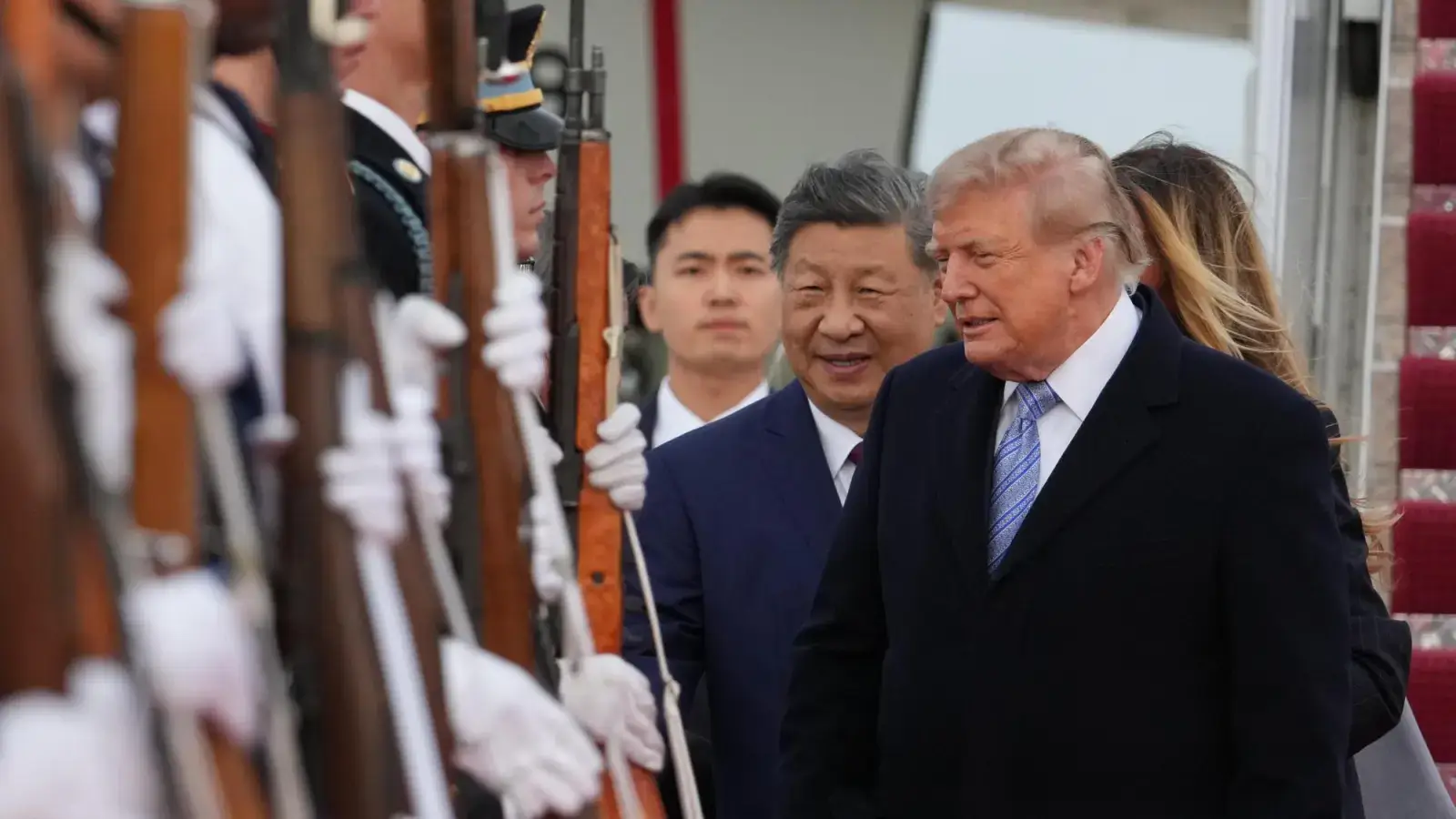

Leaders Embrace 'Healthy Competition' Amid Deepening Ties
President Donald Trump and Chinese President Xi Jinping convened at the White House in Washington on Thursday, Sept. 24, 2026, for high-stakes diplomatic talks that underscored a complex duality in their relationship: one of personal rapport coexisting with intense geopolitical rivalry. The meeting, held against the backdrop of ongoing trade negotiations and regional security concerns, saw both leaders attempt to frame their interaction within a narrative of mutual respect while simultaneously addressing the structural tensions that define U.S.-China relations.
In his opening remarks, President Trump characterized the bond between the two nations as a "truly great friendship," asserting that this connection was built on mutual respect and vital interests dating back to his first election in 2016. This characterization stood in contrast to the more cautious language employed by President Xi, who urged both Washington and Beijing to avoid friction as they continue to compete on the global stage. Xi described the nature of this competition as needing to be "healthy" and strictly kept within bounds, signaling a desire to manage rather than eliminate the rivalry.
Xi further elaborated on this framework by warning against the so-called "Thucydides trap," a historical reference to the risk of war when a rising power threatens an established one. He stated that Chinese and American interests are "deeply intertwined," arguing that the relationship should be viewed as a "race of catching up with one another, not a wrestle." This metaphorical framing was intended to suggest that both nations could advance their respective goals without necessarily undermining each other's core security or economic stability.
Strategic Leverage: Taiwan, Chips, and Trade Truces
Beneath the diplomatic pleasantries, significant substantive issues were addressed, particularly regarding national security and economic policy. In private conversation, Xi urged Trump to "prudently handle the Taiwan issue," a longstanding flashpoint in bilateral relations. According to reports from Xinhua via AP, Xi’s specific demands included a permanent halt to U.S. arms sales to Taiwan and a loosening of export restrictions on cutting-edge advanced chips.
The issue of arms sales has been a persistent point of contention. China has repeatedly pressed Washington to cease these sales entirely. During a previous meeting in Beijing in May, Trump indicated he was holding off on final approval for a record $14 billion arms package, a move that was closely watched by analysts as a potential lever in broader negotiations. The current discussions at the White House suggest that this leverage remains active, with Xi seeking to secure guarantees that would limit U.S. military support for Taipei.
On the economic front, the two sides reached a pragmatic agreement on Wednesday to extend a one-year trade truce by two months. This extension pushes the expiration date of the current truce past Nov. 10, providing additional time for negotiations on tariffs and market access. The extension comes as China continues to resist U.S. urgings and economic threats to use its leverage to prod Iran to agree to U.S. terms to end the nearly seven-month war. Beijing’s refusal to align its foreign policy with Washington on this issue highlights the limits of economic pressure in altering Chinese strategic behavior.
Technology Control and Cultural Diplomacy
The conversation also turned to emerging technologies, specifically artificial intelligence, which Trump noted would be high on the agenda. In a social media post, Trump stated that he wants AI left "exactly where it is," claiming that this was also China’s position. Xi echoed this sentiment in his opening comments, emphasizing that the two countries had a shared responsibility to ensure AI is "always under human control." This alignment on the need for regulatory oversight suggests a potential area of cooperation, even as competition over technological supremacy continues.
Attempting to foster goodwill at the grassroots level, Xi announced several cultural initiatives designed to strengthen people-to-people ties. He declared that China will invite 100,000 American youth to come to his country for studies and exchanges in the next five years. Additionally, Xi announced that China will send two pandas to the zoo in Atlanta, referring to them as an "envoy of friendship." These gestures, while symbolic, are intended to soften the public perception of the relationship and create a buffer against political volatility.
The summit concluded with both leaders acknowledging the depth of their respective responsibilities. While Trump highlighted the personal dimension of the relationship, Xi focused on the structural necessity of managing competition without crossing into conflict. The extension of the trade truce and the agreement on AI oversight provide immediate mechanisms for stability, but the underlying tensions regarding Taiwan, technology exports, and regional influence remain unresolved. The coming months will test whether the "healthy competition" framework can withstand future shocks or if it serves merely as a temporary pause in a longer strategic contest.