


Researcher Detention Exposes Diplomatic Fault Lines for South Africa
The recent detention of an Antarctic researcher has brought to light significant diplomatic strain, creating ripples between the cities of Hiroshima and Hazyview, as reported by Daily Maverick. This incident has become a focal point, drawing international attention to deeper divisions within the framework of the Antarctic Treaty system. Specifically, it highlights a geopolitical schism that appears to align nations categorized as the Global North with those identified as the Global South, particularly concerning the treatment and status of a marine biologist operating in the region.
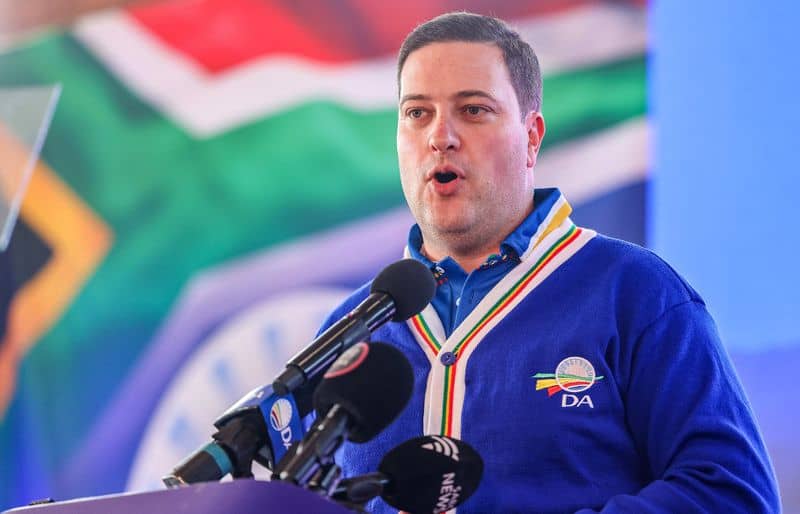
South Africa finds itself precariously positioned on a diplomatic fault line, caught between competing international pressures and its own internal political dynamics. The country’s ability to navigate this complex situation is further complicated by the intersection of its established polar diplomacy and the assertive, often anti-Kremlin, rhetoric emanating from the Democratic Alliance (DA). This internal political discourse creates tangible challenges for Pretoria’s established diplomatic relations, especially within the sensitive context of Antarctic affairs.
The detention of the researcher, while potentially rooted in local jurisdictional matters, serves as a potent symbol for these broader, conflicting diplomatic interests. The specific legal status of the individual is tied to the immediate circumstances of their detainment, but the wider implications extend to the intricate coordination required between states party to the Antarctic Treaty and the domestic political narratives that shape a nation's foreign policy. This incident underscores the delicate balance South Africa must strike to maintain its international standing and cooperative efforts in the polar regions.
A Growing Divide Among Antarctic Treaty States
The situation involving the marine biologist is not an isolated incident but rather a symptom of a more profound division among the states that are signatories to the Antarctic Treaty. This division appears to mirror a broader geopolitical pattern, often characterized as a divergence between the Global North and the Global South. The dispute over the researcher’s treatment or legal standing has, in essence, become a proxy for these larger international alignments and ideological differences.
South Africa’s role in this unfolding dynamic is particularly noteworthy, described as being situated on a significant fault line. This characterization accurately reflects the inherent tension between two distinct, and at times conflicting, forces: the strong anti-Kremlin stance advocated by the Democratic Alliance, a prominent opposition party, and the long-standing, often neutral and cooperative, nature of Pretoria’s established polar diplomacy. This existing diplomatic framework has historically emphasized scientific collaboration and environmental stewardship, often requiring careful engagement with a diverse range of international partners.
The alignment of Antarctic Treaty states in various international forums suggests that national interests in the pristine polar regions are increasingly being influenced by prevailing global power dynamics and ideological contestations. The detention of the scientist has inadvertently exposed how these international tensions can intersect with, and be amplified by, domestic political debates within South Africa. This is particularly evident in discussions surrounding the nation's relations with Russia, a key player in Antarctic governance and research.
Democratic Alliance's Stance Creates Friction for Polar Diplomacy
The Democratic Alliance’s consistent anti-Kremlin rhetoric presents a specific and significant challenge to South Africa’s diplomatic operations and its carefully cultivated relationships in Antarctica. The party’s firm position on Russia, often critical and confrontational, creates a discernible friction with Pretoria’s existing polar diplomacy. This established diplomatic approach necessitates the careful navigation of complex international relationships, often requiring a degree of neutrality and consensus-building among treaty members with diverse political systems and foreign policy objectives.
According to the source material, the DA’s stance on Russia is demonstrably creating challenges for South Africa’s diplomatic relations within the specific and sensitive context of Antarctic affairs. This observation points to a broader reality: domestic political positions, particularly those articulated by influential opposition parties, can have direct and consequential impacts on a nation’s ability to maintain a cohesive and effective foreign policy. This is especially true in specialized treaty zones like Antarctica, where international cooperation and adherence to established protocols are paramount.
The incident involving the researcher underscores the inherent difficulty of maintaining a neutral or balanced diplomatic posture when internal political factions hold strong, opposing views on key international actors and geopolitical issues. The detention of the scientist has thus become a critical lens through which these underlying diplomatic cracks are made visible. It serves to link what might appear as local governance issues in disparate locations like Hiroshima and Hazyview to the much larger and more complex arena of global polar politics and international relations.