

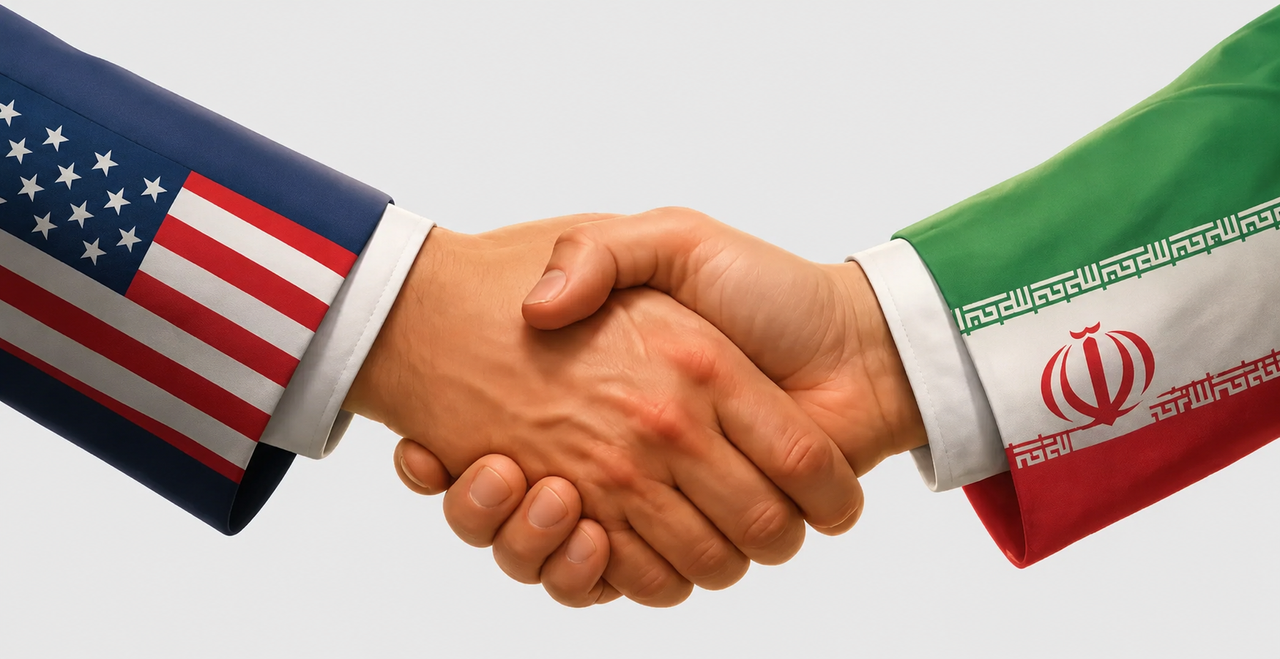

Agreement Characterized as Armistice
An article titled "The Armistice of Exhausted Powers" was published on June 19, 2026, by Greater Kashmir. The author is identified as Colonel Maqbool Shah.
The text states that there are agreements that end wars and those that merely confess war has failed. According to the article, a reported US-Iran Memorandum of Understanding (MoU) belongs, at least for now, to the second category.
Assessment of Peace Status
Citing Colonel Maqbool Shah, the MoU is described as not yet being peace or even a settlement in the durable sense. The article characterizes it instead as a pause forced upon all sides by the exhaustion of coercion.
Lessons for Washington and Tehran
The text asserts that for Washington, decades of sanctions, military pressure, naval blockade, covert action, and regional containment did not reduce Iran to a state of surrender. According to Colonel Maqbool Shah, this presents an uncomfortable lesson for the United States.
For Tehran, the article states the lesson is equally severe. It reports that strategic defiance carried a crushing price: infrastructure was hit, economy weakened, people pushed deeper into hardship, and regional deterrence exposed as less reliable than rhetoric suggested.
Nature of the Agreement
Citing Colonel Maqbool Shah, the MoU should not be read as an American victory or an Iranian triumph. The author asserts it is better understood as an armistice of exhausted powers.
Strategic Discoveries by Regional Actors
The article notes that the United States discovered punishment alone cannot reorder the Middle East. According to the text, Iran discovered resistance alone cannot secure national survival.
Citing Colonel Maqbool Shah, Israel discovered military preponderance cannot manufacture strategic obedience. The Gulf is reported in the text as discovering again that geography is destiny.
Shift from Nuclear to Maritime Focus
The article notes that while the nuclear question dominated public debate and was the centre of the 2015 Joint Comprehensive Plan of Action, it remains the most sensitive point in any negotiation with Iran. According to Colonel Maqbool Shah, however, the immediate centre of gravity in the new situation is maritime.
Role of Strait of Hormuz
The text states that reported terms around reopening Hormuz, restoring freedom of navigation, easing blockades, and stabilizing energy flows reveal a deeper reality. According to Colonel Maqbool Shah, Iran's most important weapon may not be a missile or centrifuge but its control over the Strait of Hormux.