


Power Surpasses Talent And Incentives As Primary Driver
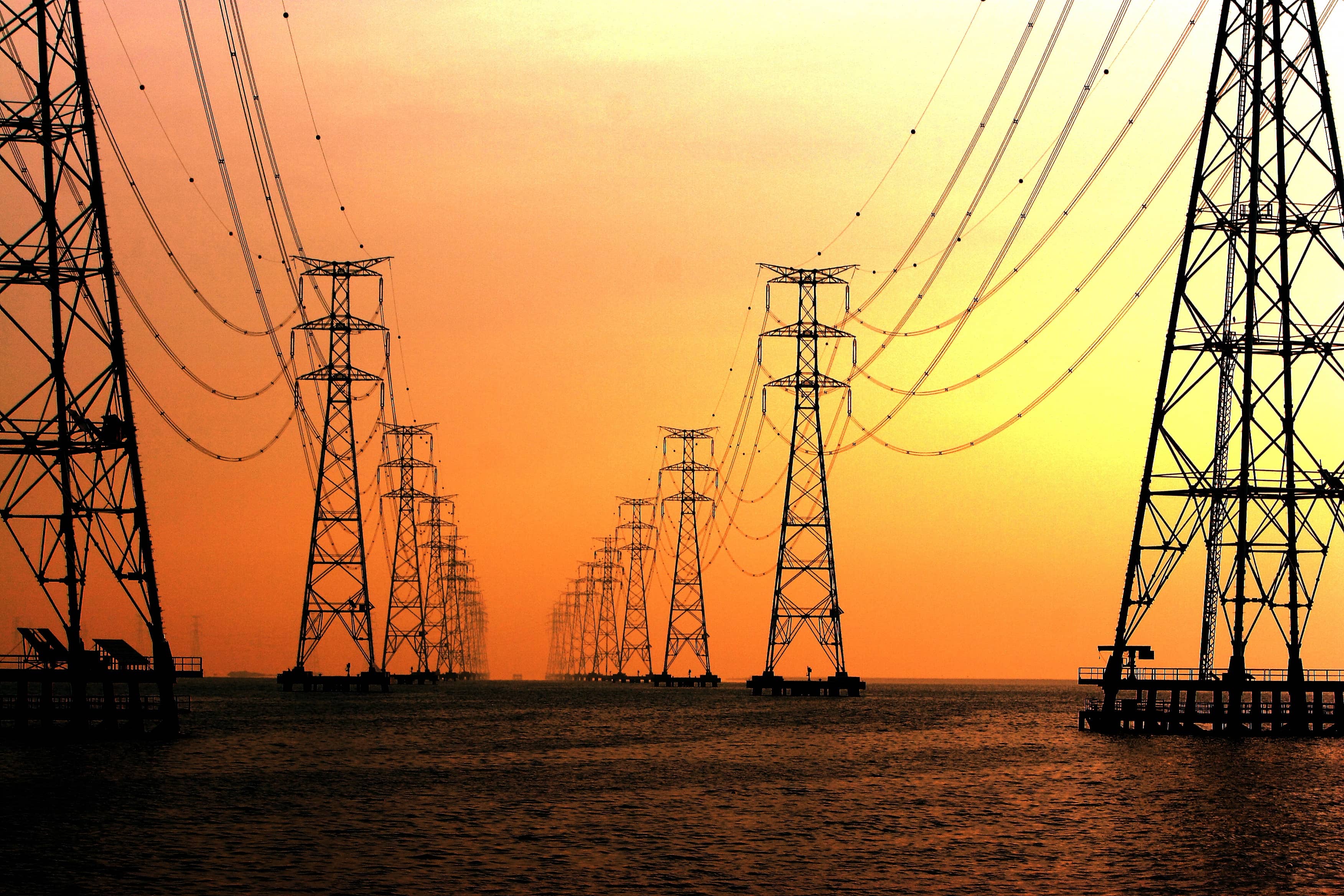
Access to electric power has become the top factor that companies consider when deciding where to build capital-intensive real estate projects, overtaking available land, talent, and tax incentives which were primary drivers for decades.
A 2026 survey of the 72-member Site Selectors Guild found that electric power was cited by 79% of site selection consultants as a top factor impacting location decisions. Labor availability and geopolitics followed at 50% each.
The shift marks a significant change in industrial planning priorities. Ellen Smith, a land use attorney and partner at Parker Poe, stated that the shift affects all industrial sectors, not just data centers, noting that "nobody is using less energy." Her observation underscores a broad-based demand surge that extends beyond the tech sector's traditional footprint.
Barry Broome, CEO of the Greater Sacramento Economic Council, said power is now weighted heavily alongside cost and talent. This triad of considerations reflects a new reality for economic development leaders who must now evaluate energy reliability with the same rigor applied to workforce quality and fiscal incentives.
Tariffs And Workforce Previously Dominated Rankings
In 2025, tariff-related policies were the top-ranked factor at 87%, followed by utility and infrastructure capacity at 66%. In 2024, workforce availability was most cited at 76%, followed by utility and infrastructure at 74%.
These historical rankings highlight a rapid acceleration in energy concerns. While tariffs and labor dominated recent years, the current landscape is defined by physical grid limitations rather than trade policy or hiring challenges alone.
Goldman Sachs Research projects power demand from data centers will more than double from 31 gigawatts in 2025 to 66 gigawatts by 2027. This exponential growth in specific high-load sectors is a primary catalyst for the broader industrial shift, as traditional grid expansions struggle to match the velocity of new construction.
Grady Fitzpatrick, chief business development officer at Greater New Orleans Inc., stated that the need for power is "off the charts" and there is significant backlog with utilities trying to keep up with demand from automation and robotics in industrial facilities. The integration of advanced manufacturing technologies has further complicated utility planning, as these facilities require consistent, high-volume power supplies that differ significantly from standard commercial loads.
Infrastructure Gaps Force Relocation Decisions
The gap between energy demand and grid capacity is already influencing specific site selection outcomes. USA Rare Earth Inc. approached Cherokee County, South Carolina, with a plan to build a $1B facility requiring 70 megawatts of power within two years.
The site only had capacity for 1 MW. Cherokee County Development Board Executive Director Kenneth Moon said Duke Energy would not be able to provide the necessary power for at least three years.
This timeline prompted concerns that the company might choose sites in Texas or North Carolina instead, where grid capacity may be more readily available. The discrepancy between project timelines and utility response times illustrates the critical bottleneck facing developers who require immediate operational readiness upon facility completion.