

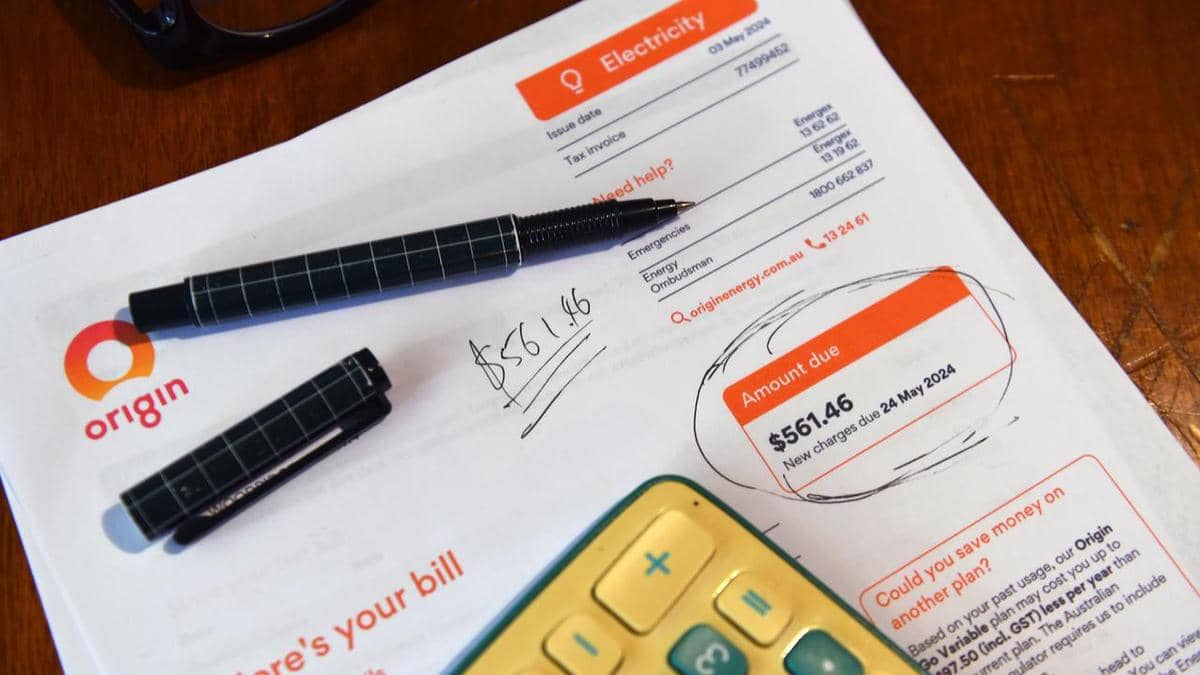

Anticipated Price Drop for Households and Small Businesses
Australian households and small businesses are expected to experience a decrease in their energy bills, offering a potential reprieve from recent cost pressures. This anticipated reduction follows a period of global energy market volatility, which was significantly influenced by geopolitical events, including the conflict in the Middle East.
Global Energy Market Influences
The global energy landscape has faced considerable disruption over the past year, with various factors contributing to price fluctuations. A key driver of these shocks has been the Middle East war, which impacted international oil and gas markets. Geopolitical tensions in major energy-producing regions can lead to uncertainty regarding supply, often resulting in increased wholesale prices for commodities like crude oil and natural gas.
- Impact on Oil Prices: Conflicts in the Middle East, a region central to global oil production and transit, can trigger concerns about supply disruptions, potentially pushing crude oil prices higher. While Australia is a net energy exporter, domestic energy prices are often linked to international benchmarks, particularly for liquid fuels and gas.
- Effect on Gas Markets: Global liquefied natural gas (LNG) prices are also sensitive to geopolitical events and supply-demand dynamics. Australia, as a significant LNG exporter, sees its domestic gas market influenced by these international prices, especially in eastern states where gas is a crucial input for electricity generation and industrial use.
- Wholesale Electricity Prices: In Australia's National Electricity Market (NEM), wholesale electricity prices are heavily influenced by the cost of fuel inputs, particularly gas and coal. When global gas prices rise, the cost of generating electricity from gas-fired power plants increases, which can push up overall wholesale electricity prices.
The recent global energy shocks manifested in higher wholesale energy costs, which eventually flowed through to retail electricity and gas bills for consumers and businesses across Australia.
Mechanism of Price Reductions
The expected fall in energy prices for Australian consumers is generally attributed to a moderation in these global wholesale energy costs. As international markets stabilize or supply concerns ease, the cost for energy retailers to purchase electricity and gas on the wholesale market can decrease. These reduced wholesale costs are then typically passed on to consumers, either through regulated price determinations or competitive market pressures.
- Wholesale Market Trends: A sustained period of lower wholesale electricity and gas prices is a primary indicator of potential retail bill reductions. These trends are monitored by industry bodies and regulators.
- Regulatory Determinations: In Australia, the Australian Energy Regulator (AER) and state-based regulators play a role in setting default market offers (DMO) or Victorian default offers (VDO), which act as price caps for electricity retailers. These determinations consider wholesale costs, network charges, and retail operating costs. A reduction in wholesale costs can enable regulators to set lower default offers.
- Retailer Competition: Beyond regulated offers, competition among energy retailers can also drive prices down. As their input costs decrease, retailers may offer more competitive plans to attract and retain customers.
Relief for Households and Small Businesses
The anticipated reduction in energy bills is expected to provide welcome relief for Australian households and small businesses that have faced increasing cost-of-living pressures. Energy costs represent a significant component of household budgets and operational expenses for many small enterprises.
- Household Budgets: For families, lower energy bills can free up disposable income, potentially easing financial strain and allowing for greater spending on other essential goods and services.
- Small Business Viability: Small businesses, often operating on tight margins, are particularly vulnerable to rising input costs. A decrease in energy expenses can improve profitability, support operational sustainability, and potentially allow for investment or job creation. This relief can contribute to broader economic stability by supporting the small business sector, which is a major employer in Australia.
The extent and timing of these price reductions will depend on ongoing developments in global energy markets and the specific regulatory and competitive dynamics within Australia's energy sector.