

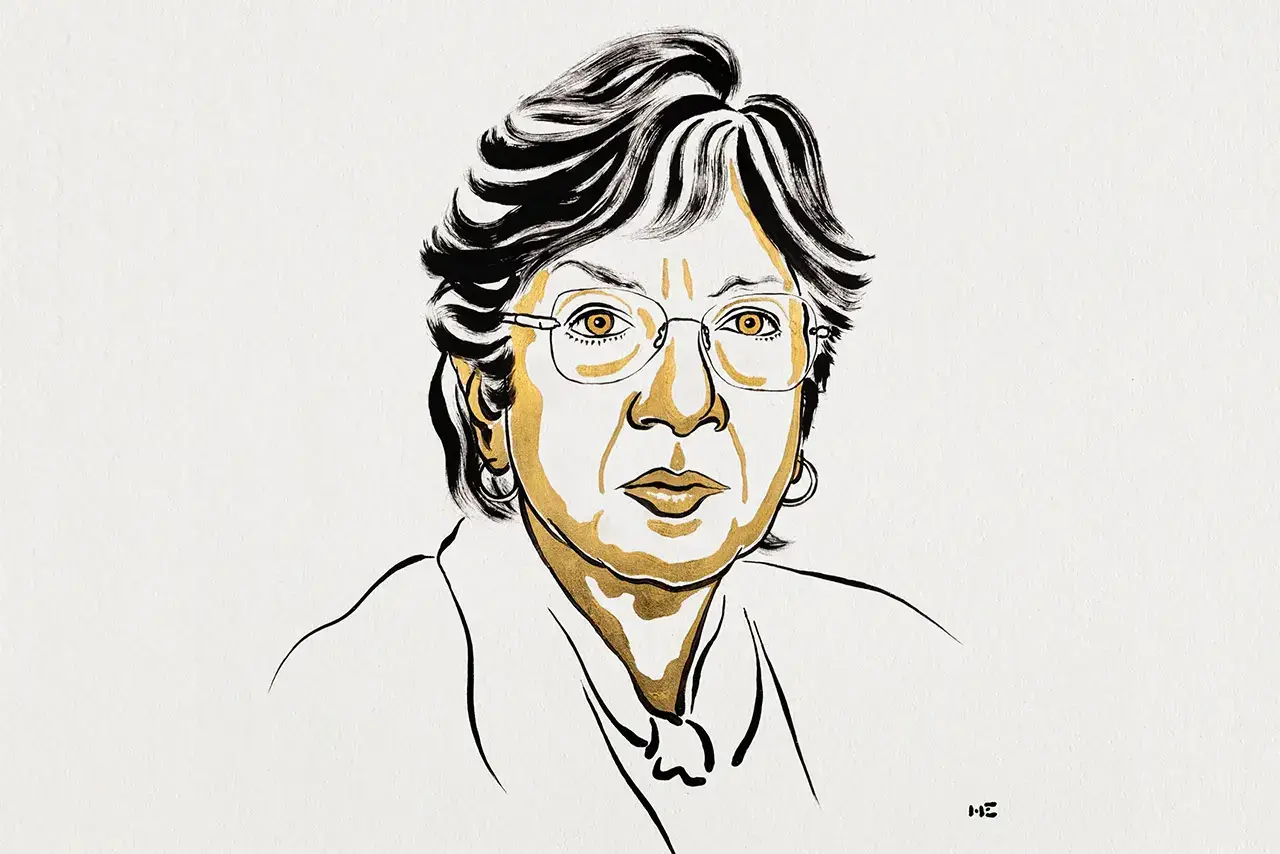

Nobel Committee Recognizes Pillay’s Legal Career
\nThe Norwegian Nobel Committee announced on Oct. 9 that it has awarded the 2026 Nobel Peace Prize to lawyer and human rights advocate Navanethem “Navi” Pillay. The committee cited her contributions to strengthening the international legal order, promoting peace, and ensuring accountability for war crimes, crimes against humanity, and genocide.
\nIn its statement regarding the award, the committee noted that Pillay demonstrated \"exceptional courage and integrity\" in consistently defending universal legal principles. According to the committee, her career has contributed significantly to the development of international justice and the fight against impunity for serious crimes.
\nThe decision highlights the committee’s view that lasting peace requires justice. By honoring Pillay, the committee sought to emphasize the importance of the rule of law at both national and international levels.
\n\nHistorical Context and Legal Precedents
\nPillay was born in Durban, South Africa, during the apartheid era into a family of Indian Tamil origin. She became a lawyer who opposed systemic discrimination, segregation, and social exclusion. Her early legal work included defending opponents of apartheid, including Nelson Mandela.
\nThroughout her career, Pillay served as a judge on the High Court of South Africa, the International Criminal Tribunal for Rwanda, and the International Criminal Court. She also served as United Nations High Commissioner for Human Rights and headed the UN Independent International Commission of Inquiry on the Occupied Palestinian Territory.
\nThe committee highlighted specific legal precedents established during her tenure. It noted her role at the International Criminal Tribunal for Rwanda, where rape and sexual violence were recognized as crimes against humanity and genocide. Additionally, the committee pointed to her work in charging an individual with incitement to genocide based on the dissemination of propaganda.
\nPillay was also involved in proceedings before the International Court of Justice regarding a case accusing Myanmar of genocide. The committee emphasized that her work helped expand international law and strengthen judicial institutions.
\n\nCommittee’s View on International Law
\nIn explaining the decision, the committee recalled the historical role of international law in preventing conflicts since the Nobel Peace Prize was established 125 years ago. It noted that the international legal system expanded after World War II through United Nations institutions.
\nThe committee acknowledged persistent contradictions in the application of these laws. It pointed out that major powers often avoid accountability and that the application of international law can depend on circumstances. However, the committee stated that diplomacy, treaties, and judicial proceedings offer alternatives to armed violence.
\nAccording to the committee, amid growing wars, international law is essential for peace and security. It noted that pressure on