

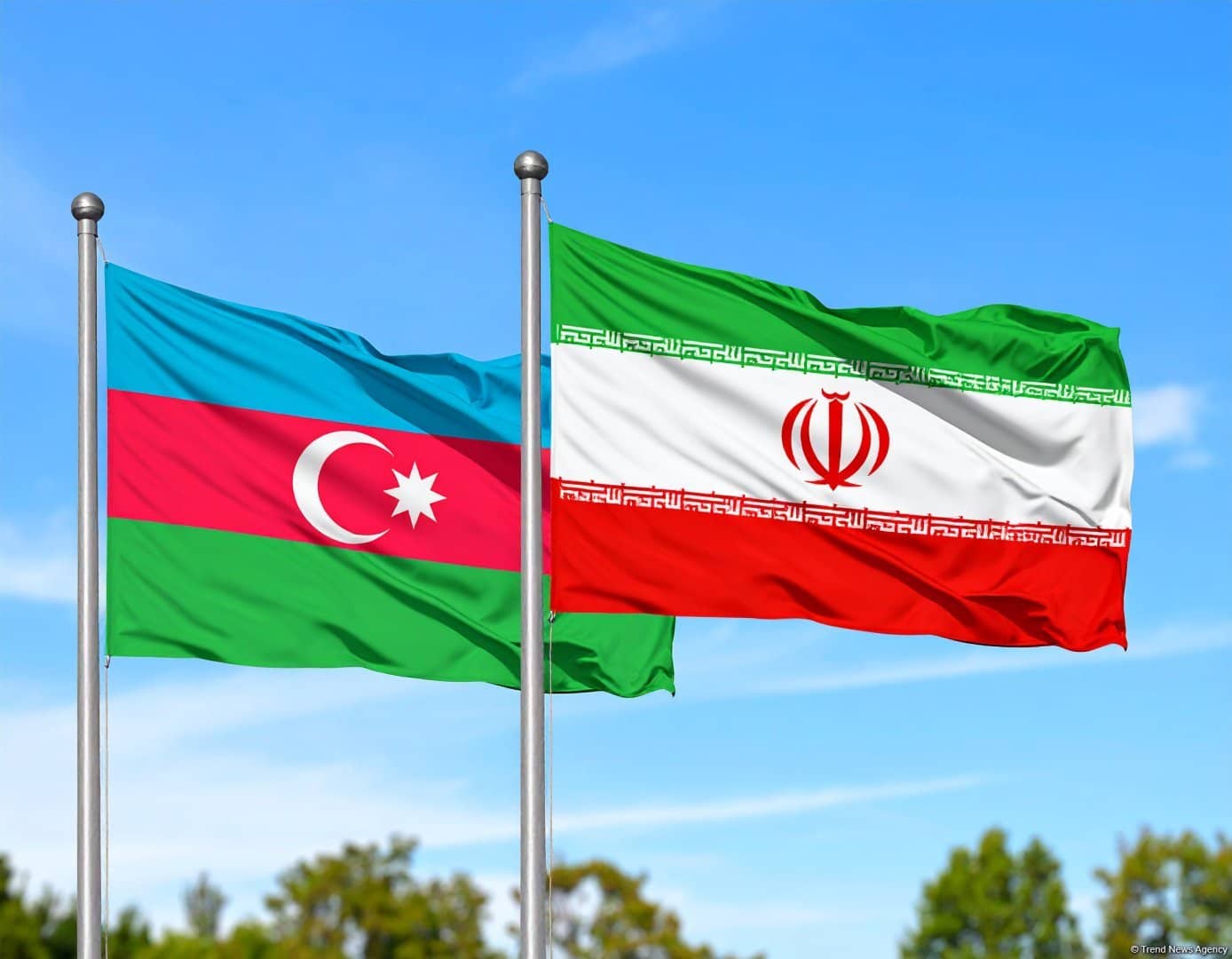

Baku and Tehran Advance Transit and Energy Dialogue
Baku and Tehran are actively exploring comprehensive measures to significantly enhance transit cooperation between the two neighboring nations. This strategic push was a central theme during a recent high-level telephone conversation between key officials from both governments.
High-Level Call Outlines Cooperation Agenda
The extensive dialogue took place between Farzaneh Sadegh, Iran's Minister of Roads and Urban Development, and Shahin Mustafayev, Azerbaijan's Deputy Prime Minister. Their discussion encompassed a detailed review of the current status of bilateral relations, specific transit and border projects, and programs designed to expand cooperation in the vital oil and gas sectors. According to information published by the Iranian government's official information portal, the officials utilized this communication to assess existing frameworks for collaboration and identify avenues for deeper engagement across multiple sectors.
The exploration of enhanced transit cooperation signifies a shared strategic intent to deepen regional connectivity and facilitate the movement of goods and people. The inclusion of border projects indicates a focus on streamlining cross-border operations, while the emphasis on expanding oil and gas cooperation highlights the significant energy resources shared by the Caspian Sea littoral states and their potential for joint development and transit.
Proposed Joint Committee to Steer Future Efforts
During the call, Minister Sadegh drew particular attention to a series of joint meetings that have previously been held, laying foundational groundwork in the fields of gas, electricity, and freight transport. These prior engagements underscore a history of collaborative efforts that now serve as a precedent for further integration.
Building on these discussions and past successes, Sadegh emphasized the critical importance of promptly establishing a joint committee. This proposed committee would be tasked with a dual mandate: first, to meticulously evaluate the outcomes of the ongoing discussions, ensuring that agreements and understandings are properly assessed; and second, to facilitate further coordination between the two governments, thereby translating strategic dialogue into actionable initiatives. The prompt establishment of such a body indicates a desire to move beyond discussions to concrete implementation and oversight.
Rebuilding Infrastructure for Regional Connectivity
A significant portion of the recent discussion between Minister Sadegh and Deputy Prime Minister Mustafayev focused on the foundational elements required for robust transit operations: infrastructure. Iran's Minister of Roads and Urban Development provided a crucial update on the state of transport infrastructure within Iran, directly linking it to the broader bilateral cooperation efforts.
Wartime Damage Repaired, Upgrades Continue
Sadegh noted that Iran's transport network had suffered considerable damage during wartime conditions. However, the Iranian minister provided assurances that the affected roads and critical transport infrastructure have since been meticulously restored. This restoration work represents a significant investment and a foundational element for enabling increased transit volumes and efficiency across the region.
Furthermore, Sadegh indicated that the process of upgrading roads under existing projects is currently ongoing. This continuous improvement ensures that Iran's transport arteries are not only functional but are also being modernized to meet contemporary demands for speed, capacity, and safety. This update on infrastructure status was provided in the context of broader transit cooperation efforts between Baku and Tehran, suggesting that Iran's revitalized network is poised to play a crucial role in future joint initiatives.
Diplomatic Momentum Fuels Bilateral Progress
The positive trajectory observed in the bilateral relations between Azerbaijan and Iran is not merely a result of technical discussions but is deeply rooted in high-level diplomatic engagement and sustained political will. This overarching positive environment provides the necessary impetus for advancing complex transit and energy projects.
Presidential Dialogue Shapes Positive Trajectory
Minister Sadegh specifically addressed the factors contributing to the current state of relations, noting that the positive trajectory is directly driven by close cooperation and consistent dialogue between the presidents and officials at all levels of both countries. This assessment was presented as part of the official record of the phone call with Azerbaijan's Deputy Prime Minister Mustafayev.
The emphasis on high-level diplomatic engagement suggests that strategic alignment and political commitment remain central components in advancing the ambitious transit and energy projects discussed by Baku and Tehran. Such sustained dialogue at the highest echelons ensures that technical and operational discussions are supported by a clear political vision, facilitating smoother progress and stronger bilateral ties.