


The Geopolitical Stakes of Teesta River Development
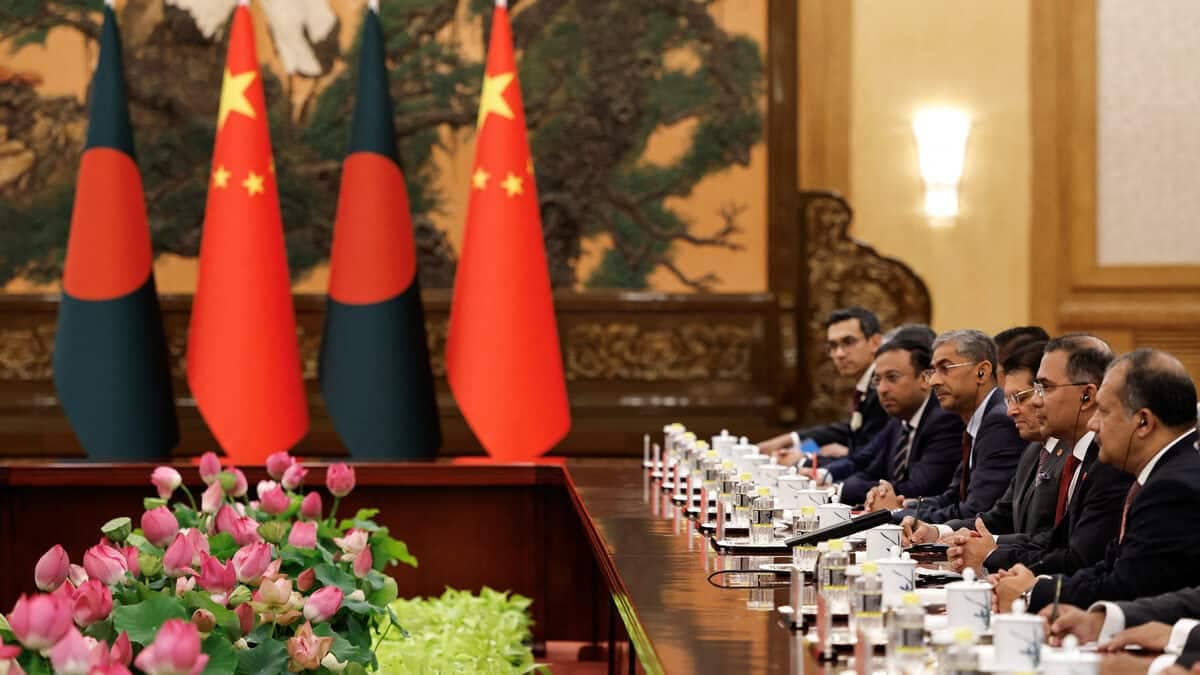
Bangladesh’s potential pivot toward China regarding the Teesta water-sharing project has drawn scrutiny from geopolitical analysts who argue that the move may pose greater strategic risks to Dhaka than it does to New Delhi. According to reporting by Firstpost, Bangladesh’s turn toward China for this infrastructure and resource initiative could create long-term strategic dependence for the South Asian nation.
The Teesta River is a critical transboundary waterway, vital for agriculture, livelihoods, and overall water security in Bangladesh. As a downstream riparian nation, Bangladesh's access to the Teesta's waters is a longstanding and sensitive issue, making any major development project on the river a matter of national strategic importance. The analysis suggests that while such a shift might offer short-term gains for Bangladesh in terms of immediate project development or diplomatic leverage, the long-term implications for Dhaka's strategic autonomy remain a significant concern. The report indicates that this realignment threatens Dhaka more than it challenges Delhi, suggesting an asymmetry in the geopolitical impact of the decision.
Regional Power Dynamics and Dhaka's Vulnerability
Observers note that engaging with China over critical water resources like the Teesta River could alter the balance of power in the region. For Bangladesh, aligning with China on such a vital project could lead to a reliance on Chinese financing, technology, and expertise for the project's construction, operation, and future maintenance. This reliance is what analysts refer to as long-term strategic dependence, potentially limiting Bangladesh's future policy options and its ability to act independently on other foreign policy matters.
The asymmetry in risk is highlighted by India’s position as an upstream riparian state with its own water management strategies and alternative resources. While India has a vested interest in regional stability and water-sharing agreements, its strategic vulnerabilities regarding the Teesta project are perceived to be less pronounced than those of Bangladesh. For Dhaka, the potential for long-term dependence on a single external power for vital infrastructure projects is viewed as a vulnerability that could limit its diplomatic maneuverability and increase susceptibility to external influence. This perspective underscores the complex trade-offs involved in seeking alternative partners to India, a traditional ally and neighbor, especially concerning a resource as fundamental as water.
Internal Political Challenges and External Alignments
These developments in Bangladesh's foreign policy are occurring against a backdrop of intense domestic political tension. Reports indicate that political instability is being exacerbated by ongoing disputes surrounding the potential return of former Prime Minister Sheikh Hasina. This domestic unrest creates a challenging environment for the government, where strategic decisions, particularly those with significant geopolitical implications like the Teesta project, are subject to heightened scrutiny and potential volatility.
The Tribunal's Demand and its Political Fallout
The situation has escalated to the point where legal bodies within the country are making formal demands regarding Sheikh Hasina's status. According to WION, a tribunal in Bangladesh has demanded the surrender of Sheikh Hasina amid these rising political tensions. This demand adds a layer of urgency and complexity to the government's maneuvering on the international stage. Such a legal proceeding involving a prominent former leader signals deep fractures within the nation's political sphere and can distract from, or directly influence, foreign policy decisions.
The demand for Hasina's surrender by a tribunal is not merely a legal matter; it carries significant political fallout, potentially fueling public discourse, protests, and further destabilizing the political landscape. In an environment marked by such internal strife, the government's capacity to negotiate and implement major foreign policy initiatives, particularly those involving powerful external actors like China, can be compromised. This internal pressure can weaken Dhaka's bargaining position and make it more susceptible to external pressures or less able to fully assess the long-term strategic implications of its choices.
Dhaka's Complex Crossroads: Balancing Domestic and Foreign Pressures
The convergence of external geopolitical maneuvering and internal judicial demands presents a challenging landscape for Bangladesh. The country is navigating a path that involves balancing relations with major powers like China and India while simultaneously managing significant internal political divisions. The administration must weigh the immediate benefits of securing Chinese support for the Teesta project against the potential costs of increased dependence, all while addressing the domestic crisis triggered by the tribunal's demands and the broader implications of Hasina's potential return or continued absence from power.
Weighing Short-Term Gains Against Long-Term Dependence
Analysts suggest that while Chinese involvement might offer a quicker path to project development and address Bangladesh's immediate water resource needs, the long-term strategic costs could be substantial. The decision requires a careful assessment of how increased reliance on China for critical infrastructure might affect Bangladesh's ability to maintain an independent foreign policy stance and its relationships with other regional and global partners. The government's challenge is to secure national interests without inadvertently compromising its sovereignty or creating new vulnerabilities in the process.
Implications for Sovereignty and Regional Standing
The situation reflects a broader trend in South Asian geopolitics where smaller nations attempt to leverage relationships with larger powers to secure national interests. However, the specific case of Bangladesh highlights the risks associated with such strategies, particularly when they intersect with fragile domestic political stability. The long-term consequences of these decisions for Bangladesh's sovereignty and regional standing remain a subject of ongoing debate among experts. The choice regarding the Teesta project, made amidst significant internal political turmoil, could define Bangladesh's geopolitical trajectory for decades to come, impacting its economic development, diplomatic freedom, and regional influence.