

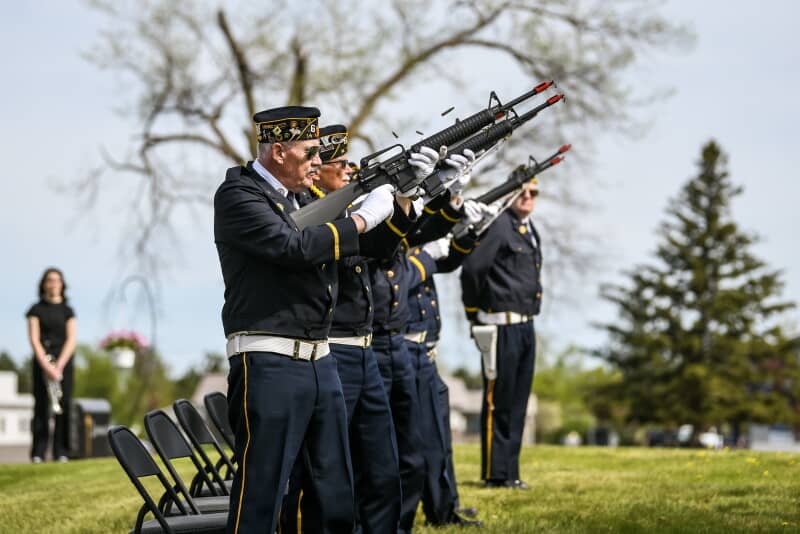

Bemidji, MN – The annual Memorial Day program in Bemidji is set to honor those who have died in service to the United States, focusing on the theme of 'Answering the Call of Service'. Hosted each year by Ralph Gracie American Legion Post No. 14, the event serves as a solemn observance to commemorate the sacrifices made by military personnel and to acknowledge the enduring impact on their families.
Theme: 'Answering the Call of Service'
The central theme, 'Answering the Call of Service', underscores the voluntary commitment made by individuals who choose to serve in the nation's armed forces. This theme highlights the profound dedication, courage, and selflessness required to defend national interests and uphold foundational principles, often in challenging and dangerous circumstances. Memorial Day itself is a federal holiday in the United States, specifically designated for remembering and honoring military personnel who died while serving in the United States armed forces. The Bemidji program aims to provide a platform for the community to reflect upon the profound implications of this service, from the initial decision to enlist to the ultimate sacrifice. It serves as a reminder that the freedoms and securities enjoyed by citizens are often maintained at a significant cost, borne by those who answer the call.
Hosted by Ralph Gracie American Legion Post No. 14
Ralph Gracie American Legion Post No. 14 is responsible for organizing the annual Memorial Day observance in Bemidji. The American Legion, a national veterans' organization chartered by Congress in 1919, is dedicated to advocating for veterans' benefits, mentoring youth, and promoting patriotism and national security. With nearly 2 million members in over 12,000 posts worldwide, the organization's mission extends to ensuring that the sacrifices of military personnel are never forgotten. Local posts, such as Ralph Gracie Post No. 14, play a crucial role in their communities by organizing events that uphold these values, particularly on days of national remembrance like Memorial Day. Their consistent hosting of this program ensures that the sacrifices of service members are honored and remembered within the Bemidji community, serving as a focal point for local commemorative efforts.
Honoring Those Who Gave Their Lives
A primary objective of the Bemidji Memorial Day program is to honor individuals who have died in service to their country. This remembrance extends beyond specific conflicts or eras, encompassing all who have made the ultimate sacrifice across the history of the United States military. The program provides a structured opportunity for community members to gather and reflect on the bravery and selflessness of these service members. Such observances typically include moments of silence, patriotic music, and the reading of names or general tributes to the fallen.
Recognizing Families Left Behind
Beyond honoring the fallen service members themselves, the program also recognizes the families they left behind. These families often bear a unique burden of grief and loss, and their resilience is an integral part of the nation's military story. By acknowledging their sacrifice, the Bemidji Memorial Day program aims to provide support and show gratitude to those who have lost loved ones in service. This aspect of the observance underscores the broader community's understanding that military service is a family commitment, with profound implications for all involved.
Historical Context of Memorial Day
Memorial Day's origins can be traced back to the immediate aftermath of the American Civil War, a conflict that resulted in an unprecedented number of American casualties. Initially known as Decoration Day, it was a time for the nation to mourn its dead and decorate their graves. On May 5, 1866, citizens in Waterloo, New York, were among the first to close businesses for the day to honor fallen soldiers, decorating their graves with flowers and flags. General John A. Logan, who was the commander-in-chief of the Grand Army of the Republic, an organization of Union veterans, officially proclaimed Decoration Day on May 5, 1868. He called for it to be observed annually on May 30, urging Americans to strew flowers or otherwise decorate the graves of their comrades who died in defense of their country. The first large observance under Logan's proclamation was held that year at Arlington National Cemetery, where approximately 5,000 participants decorated the graves of 20,000 Union and Confederate soldiers. Over time, the holiday evolved to honor all Americans who died while serving in the military, regardless of the conflict. It became a federal holiday in 1971, when Congress passed the Uniform Monday Holiday Act, moving Memorial Day to the last Monday in May to create a three-day weekend, a practice that continues today.
Community Engagement and Remembrance
The annual Memorial Day program in Bemidji also serves as a vital opportunity for community engagement, fostering a shared sense of remembrance and gratitude. Such events allow residents of all ages to participate in a collective act of honoring those who have served. By gathering publicly, the community reinforces the importance of civic duty and the value of military service. These observances contribute to educating younger generations about the history of the nation's conflicts and the sacrifices made to secure peace and freedom, ensuring that the legacy of fallen service members continues to resonate through time.
Significance of Memorial Day in Contemporary Society
In contemporary society, Memorial Day continues to hold profound significance, serving as more than just a federal holiday. It is a dedicated time for reflection on the costs of freedom and the enduring impact of military service on individuals, families, and the nation as a whole. While some may associate the long weekend with the unofficial start of summer, the core purpose of Memorial Day remains a solemn remembrance of those who died in service. Programs like the one in Bemidji help to reinforce this original intent, providing a necessary counterbalance to purely recreational activities. They offer a space for collective mourning, gratitude, and a recommitment to the ideals for which service members have fought and died. This annual observance helps to maintain a vital connection between past sacrifices and present liberties, ensuring that the memory of the fallen is preserved for future generations.
Elements of the Observance
Memorial Day programs across the nation, including those organized by American Legion posts like Ralph Gracie Post No. 14, commonly incorporate several traditional elements designed to convey respect, solemnity, and remembrance. These often include a flag ceremony, where the U.S. flag is raised to the top of the staff and then solemnly lowered to half-staff until noon, symbolizing the nation's mourning for its fallen heroes before being raised to full-staff for the remainder of the day in honor of their sacrifice. Speeches from local officials, veterans, or community leaders are also typical, providing reflections on the meaning of service, the importance of remembrance, and the enduring legacy of those who died. The playing of "Taps," a bugle call traditionally played at military funerals and memorial services, serves as a poignant and recognizable tribute. Wreath-laying ceremonies at memorials or gravesites are also common, symbolizing honor and remembrance for those who have died in service, often accompanied by a moment of silence.