


A Comedian's Honor Amidst Institutional Flux
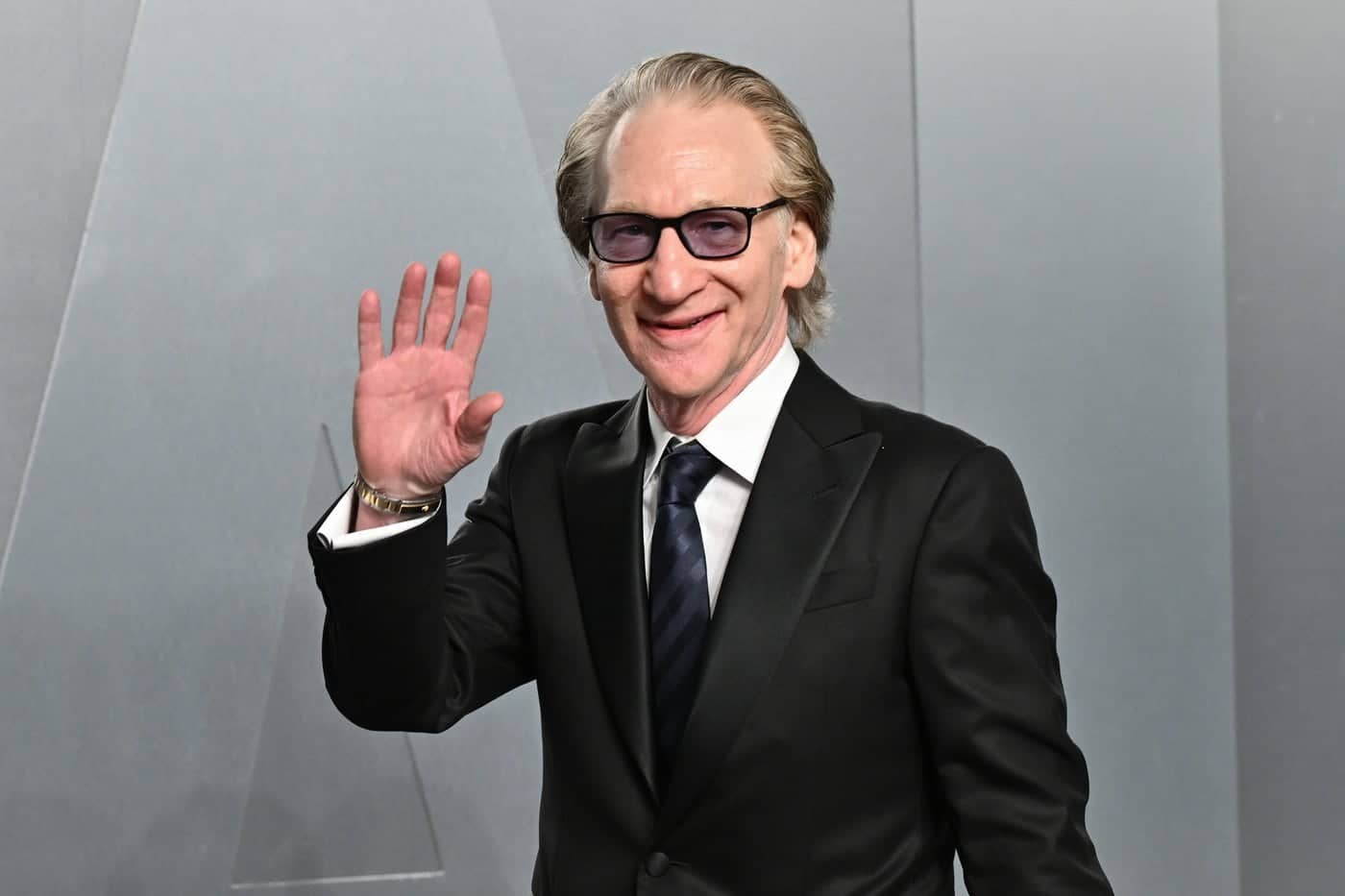
Comedian Bill Maher was awarded the prestigious Mark Twain Prize for American Humor on Sunday night at the Kennedy Center in Washington. The ceremony unfolded during a period described as "Trump-era upheaval" for the venerable institution, which has reportedly faced significant political challenges and broader changes under the current administration.
Maher served as the guest of honor, accepting the esteemed award in what sources indicated might be one of the last major onstage moments at the Kennedy Center for the next several years. This timing underscores the profound shifts affecting federal arts institutions and their intricate relationship with the White House, suggesting a landscape of uncertainty for cultural programming and leadership within such national treasures.
The Mark Twain Prize and its Enduring Legacy
The Mark Twain Prize for American Humor is bestowed annually by the John F. Kennedy Center for the Performing Arts. It recognizes individuals who have had an impact on American society similar to that of Samuel Clemens, also known as Mark Twain, a satirist, essayist, and author renowned for his keen observations of American life and his distinctive comedic voice. The award celebrates lifetime achievement in humor, acknowledging those who, like Twain, use wit and satire to comment on the human condition and societal norms.
Maher, known for his incisive political commentary and long-running shows like Politically Incorrect and Real Time with Bill Maher, embodies the spirit of a modern-day Twain, often challenging conventional wisdom through humor. His selection for the prize during a politically charged era further highlighted the intersection of comedy and public discourse.
Federal Arts Institutions Grapple with Political Shifts
The description of "Trump-era upheaval" for the Kennedy Center points to a challenging environment for federal arts institutions. Such organizations, often reliant on government funding and subject to political appointments, can experience significant shifts in direction, priorities, and even public perception during changes in presidential administrations. The phrase "broader changes affecting federal arts institutions and their relationship with the White House" suggests a period of re-evaluation or potential realignment, impacting everything from artistic programming to operational stability. For an institution like the Kennedy Center, a national cultural landmark, navigating these political currents is crucial for its continued mission of celebrating the performing arts.
Political Satire Takes Center Stage
The evening's proceedings were notably punctuated by multiple references to President Donald Trump. Though not physically present, the president became a recurring subject of comedic commentary, reflecting the pervasive political climate.
A Presidential Impersonator's Unexpected Appearance
Shortly after Maher began his acceptance speech, the ceremony took an unexpected turn. Matt Friend, identified as a leading impersonator of President Trump, dramatically took the stage. Friend delivered a performance in Trump’s distinctive voice, humorously suggesting that he would accept the Mark Twain Prize himself. This segment not only injected a moment of direct political satire into the formal event but also drew considerable attention to the political backdrop against which the arts community was operating at the time.
Comedians Weave Administration Policies into Humor
The political humor extended beyond the impersonator's act, with other prominent entertainers present at the ceremony also incorporating satirical remarks about the administration. Among those who made jokes referencing Trump were Whitney Cummings, Jay Leno, and Woody Harrelson. Their contributions underscored a collective willingness within the comedic community to engage with contemporary political figures and policies.
Whitney Cummings, for instance, offered a particularly pointed observation. She suggested that under Trump’s influence, the Kennedy Center might eventually host a "white 'Hamilton'." This remark was a sharp jab, satirizing potential shifts in cultural programming and diversity standards that some feared could arise from the administration's influence on federal arts institutions. Her comment resonated as part of a broader pattern of humor that addressed perceived or anticipated changes in the cultural landscape.
Maher's Measured Approach to Political Commentary
Following the impersonator’s departure from the stage, Bill Maher, despite his reputation for sharp political commentary, largely steered clear of direct criticism of the president during the remainder of his acceptance remarks. This approach stood in contrast to the more overt political jabs delivered by some of his comedic peers earlier in the evening.
The Honoree's Deliberate Restraint
Reports indicated that the barbs directed at the administration, particularly from Maher himself after the initial impersonation, were not particularly biting in tone. This deliberate restraint by the honoree suggested a nuanced approach to political humor within the formal and prestigious setting of the Kennedy Center. While the event acknowledged the role of satire in American humor, Maher's choice to temper his usual outspokenness highlighted the complexities of engaging in political discourse within a federal cultural space during a period of institutional uncertainty.