

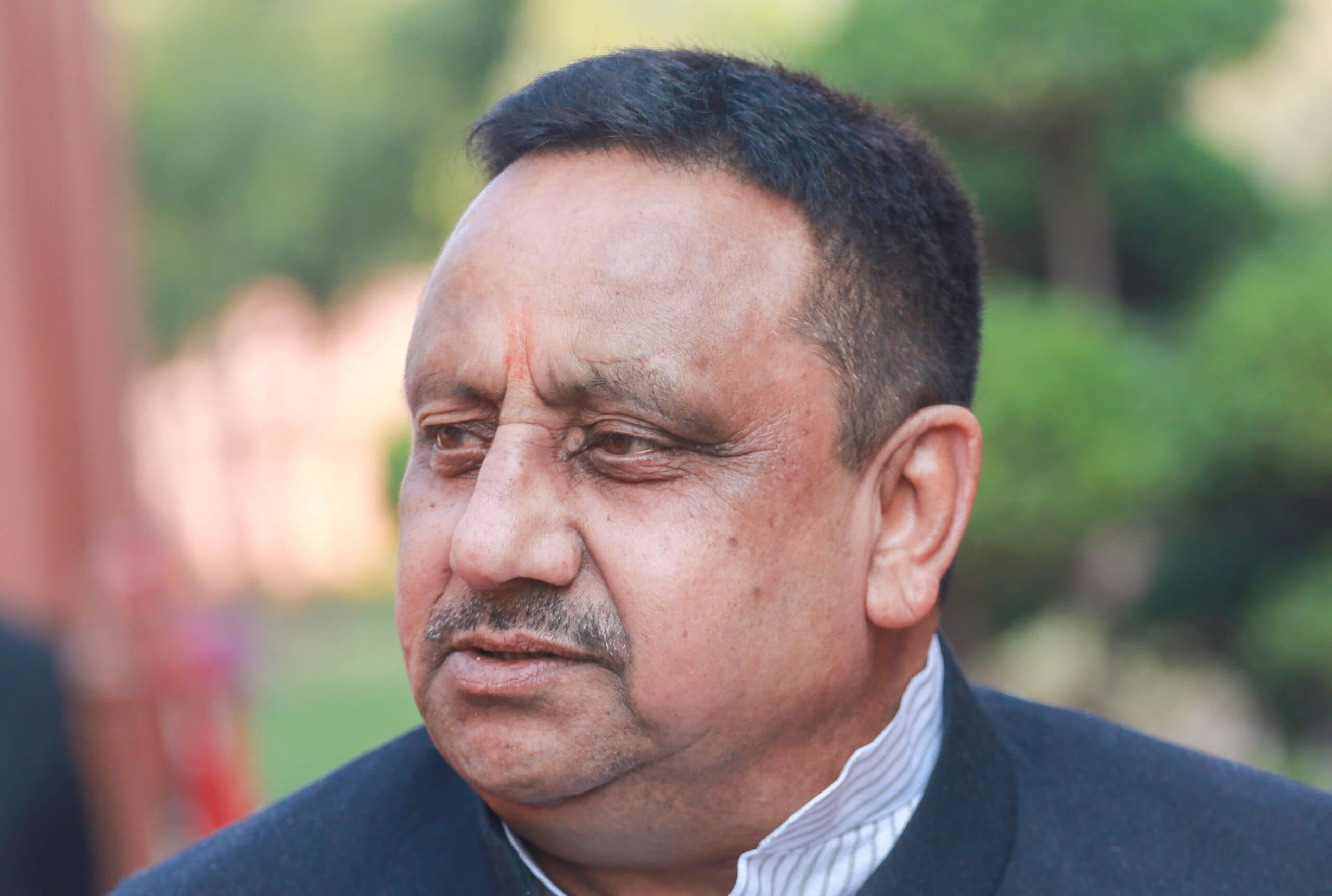

BJP Calls for Apology After Court Verdict
New Delhi, July 14 — The Bharatiya Janata Party (BJP) has demanded that the Aam Aadmi Party (AAP) issue an apology to the citizens of Delhi following a court conviction of former AAP Councillor Tahir Hussain. The demand was made by BJP Member of Parliament Praveen Khandelwal on Tuesday, shortly after the judicial order was announced in connection with the 2020 Delhi riots.
Khandelwal stated that the verdict serves as evidence that the violence had been pre-planned and that the AAP provided support to those involved in the unrest. He emphasized that the party failed to take any disciplinary action against its MLA, Tahir Hussain, while he was still in office. According to Khandelwal, now that the truth has emerged through the judicial process, the AAP is obligated to apologize to the people of the national capital.
"This clearly shows that the riots were pre-planned and were supported by the Aam Aadmi Party," Khandelwal said. "The party did not take any action against its MLA. Now that the truth has come to light, the Aam Aadmi Party should apologise to the people of Delhi. Those found guilty should receive the punishment prescribed under the law," he added.
Details of the Conviction and Case Background
The conviction of Tahir Hussain is linked to the 2020 Delhi riots, a period of significant communal violence that occurred in the capital. The specific case for which Hussain was convicted involves the murder of Intelligence Bureau (IB) officer Ankit Sharma. The judicial finding has prompted immediate political reactions from opposition parties, particularly those in power in Delhi at various points during the conflict.
Khandelwal’s comments highlight the BJP’s stance that the AAP’s lack of internal accountability contributed to the environment that allowed the riots to proceed. By pointing out that the party did not act against its own MLA, Khandelwal argued that the AAP bears responsibility for the actions of its members during the period of unrest.
Broader Political Criticism from BJP Leadership
Beyond the specific demand for an apology regarding Hussain’s conviction, BJP National Spokesperson Gaurav Bhatia expanded the criticism to include the Indian National Congress. Bhatia targeted both the Congress and the AAP regarding their respective responses to the case.
In his remarks, Bhatia referred to comments made by Congress leader Imran Masood concerning the riots and the subsequent legal proceedings. By linking the AAP’s conduct with that of the Congress, the BJP sought to frame the issue as a broader failure of political opposition parties to address the violence adequately or to hold their members accountable for actions taken during the 2020 period.
The BJP’s narrative, as articulated by Khandelwal and Bhatia, centers on the idea that the judicial outcome validates their long-standing allegations that the riots were not spontaneous but were orchestrated with political backing. The call for an apology is positioned as a necessary step for the AAP to acknowledge this reality and make amends to the public affected by the violence.
Implications for Delhi Politics
The conviction of a former councillor in a case involving the death of a security officer underscores the ongoing legal and political repercussions of the 2020 Delhi riots. For the BJP, the verdict provides a platform to criticize the AAP’s governance and integrity in the national capital.
Khandelwal’s statement that those found guilty should receive the punishment prescribed under the law indicates that the BJP views the judicial process as the primary mechanism for addressing accountability. The party has not called for any extrajudicial measures but has focused on political pressure through public demands for apologies and admissions of fault.
As the legal proceedings continue, the BJP’s focus remains on ensuring that the AAP faces political consequences for its perceived support of rioters. The demand for an apology is a direct attempt to force the opposition party to publicly concede to the narrative that the violence was pre-planned and politically motivated.