


Senate Sets November Vote for Constitutional Security Overhaul
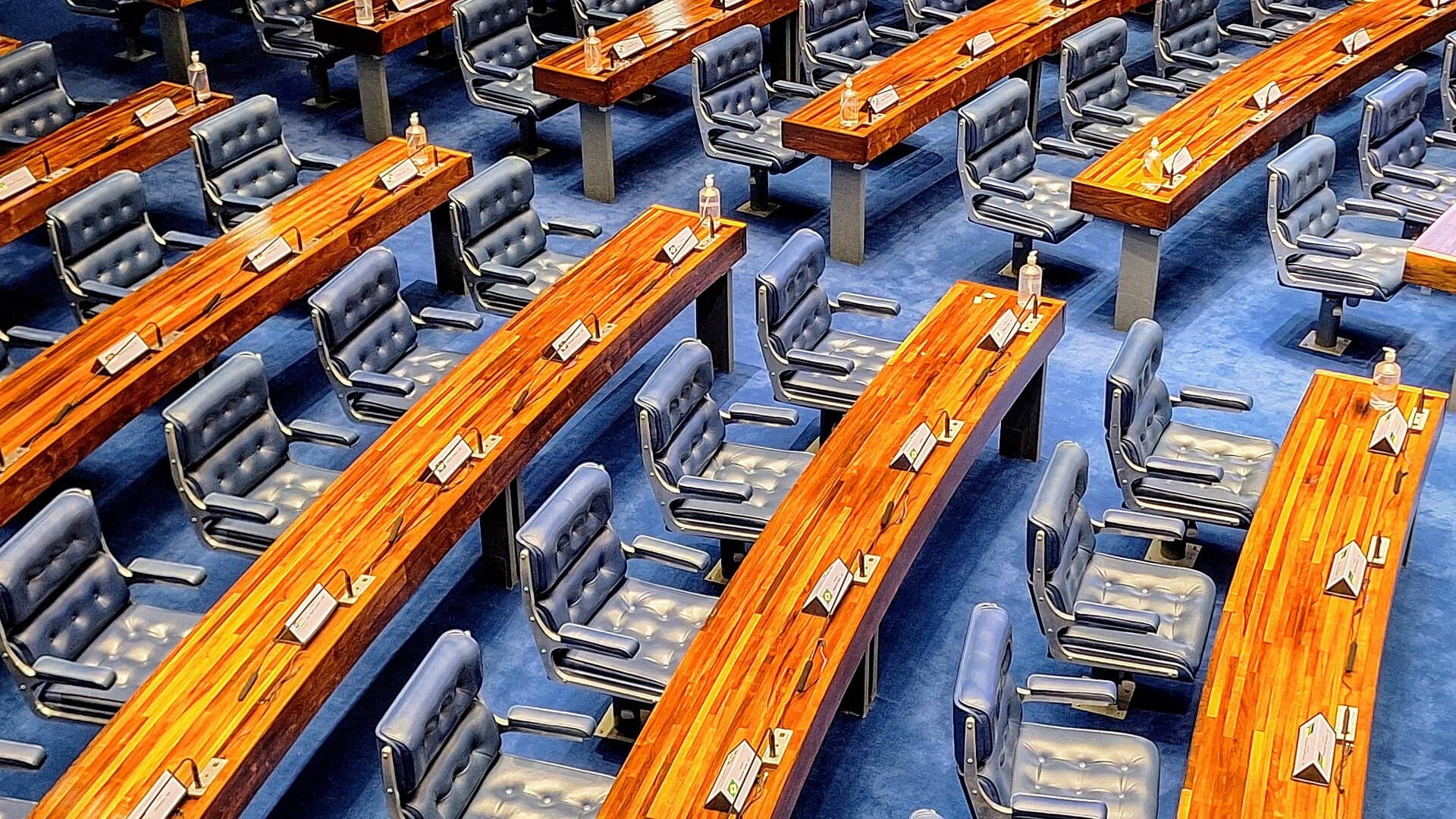
Brazil’s Senate president has officially scheduled a floor vote on the public security amendment, known as PEC 18/2025, for Tuesday, 3 November 2026. The session agenda is set to begin at 4 p.m. in Brasília, marking a significant procedural step for the controversial legislation that seeks to rewrite national security protocols.
The vote was placed on the legislative agenda on 30 October 2026, following a period where the measure had slipped past the 25 October runoff elections. This timing places the constitutional amendment in direct focus during a period of heightened political attention, as lawmakers prepare to debate measures that would fundamentally alter how criminal organizations are prosecuted and imprisoned.
Constitutional Changes and Penal Regime
The core of PEC 18/2025 is designed to write a national public security system directly into the Constitution. Beyond structural changes, the text imposes a significantly tougher penal regime on both the leaders and members of gangs and militias. The legislation aims to dismantle the operational capacity of these groups through stricter incarceration standards.
Under the proposed text, members of criminal factions, paramilitary groups, and militias would be required to serve their sentences in maximum-security facilities. The amendment restricts any moves to milder prison regimes, effectively eliminating the possibility of early release or transfer to less restrictive environments for those convicted under these provisions. Additionally, the law allows for asset seizure without compensation, targeting the financial infrastructure that supports organized crime.
The amendment originates from the Lula government and is closely tied to a planned federal Ministry of Public Security. This institutional framework is intended to coordinate national efforts against violent crime, aligning with broader administrative goals set by the current administration.
Procedural Acceleration and Pending Amendments
The path to this vote has been accelerated through procedural maneuvers. The Senate Constitution and Justice Committee approved the text on 14 October 2026. On that same day, the plenary approved a request to cancel five discussion sessions that are normally required before a first-round vote. This cancellation significantly shortened the debate timeline, allowing the measure to advance more rapidly than standard constitutional amendments typically allow.
Despite the accelerated schedule, procedural complexities remain. Five floor amendments regarding the age of criminal responsibility had been filed by 30 October. However, it is not yet known if this specific change will be voted on alongside the main text of PEC 18/2025. The inclusion or exclusion of these amendments could alter the political dynamics surrounding the vote.
Approval of the amendment requires a supermajority threshold. Specifically, it needs 49 of 81 votes in each of two rounds of voting. This high bar reflects the constitutional nature of the change and ensures that broad consensus is necessary for implementation.
International Context and Terrorist Designations
The legislative push occurs against a backdrop of international recognition of Brazil’s internal security challenges. Washington designated the Primeiro Comando da Capital and the Comando Vermelho as foreign terrorist organizations in State Department notices dated 28 May 2026, which were published on 5 June 2026. These designations highlight the transnational implications of Brazilian organized crime and provide a diplomatic framework that may influence domestic policy decisions.
The combination of these international designations and the domestic constitutional amendment suggests a coordinated effort to address the power of criminal factions through both legal and diplomatic channels. The Senate’s upcoming vote will determine whether PEC 18/2025 moves forward as the primary legislative tool for this strategy.