


New Funding Mechanisms for Local Authorities
Britain’s Prime Minister Andy Burnham announced plans on Friday for a new £1.5 billion fund that mayors and local leaders can borrow from to initiate major projects in their areas over the next two years. The announcement, made exclusively for HuffPost UK, outlines significant changes to how local governments will access capital ahead of Chancellor John Healey’s Budget scheduled for Wednesday.
In addition to the borrowing facility, Burnham stated that local leaders will receive an initial £285 million in funds next year. This allocation is designed to allow communities to invest in housing, transport, or high street development without seeking approval from central government departments.
The prime minister emphasized that this funding structure is intended to end the practice of local officials going “cap in hand to Westminster” for financial support. However, he clarified that this specific funding stream will only remain in place until 2028. At that point, a new system will replace it, allowing some income tax revenue to be handed directly to devolved areas.
Devolution by Default and Strategic Growth
Burnham described the initiative as part of his broader "theory of growth," which involves retaking control of essentials and devolving power so that places can decide their own destiny. He stated, "When I became prime minister, I gave every one of my ministers the same instruction: if a decision can be made closer to home, it should be," adding the principle of "Devolution by default" to his directive.
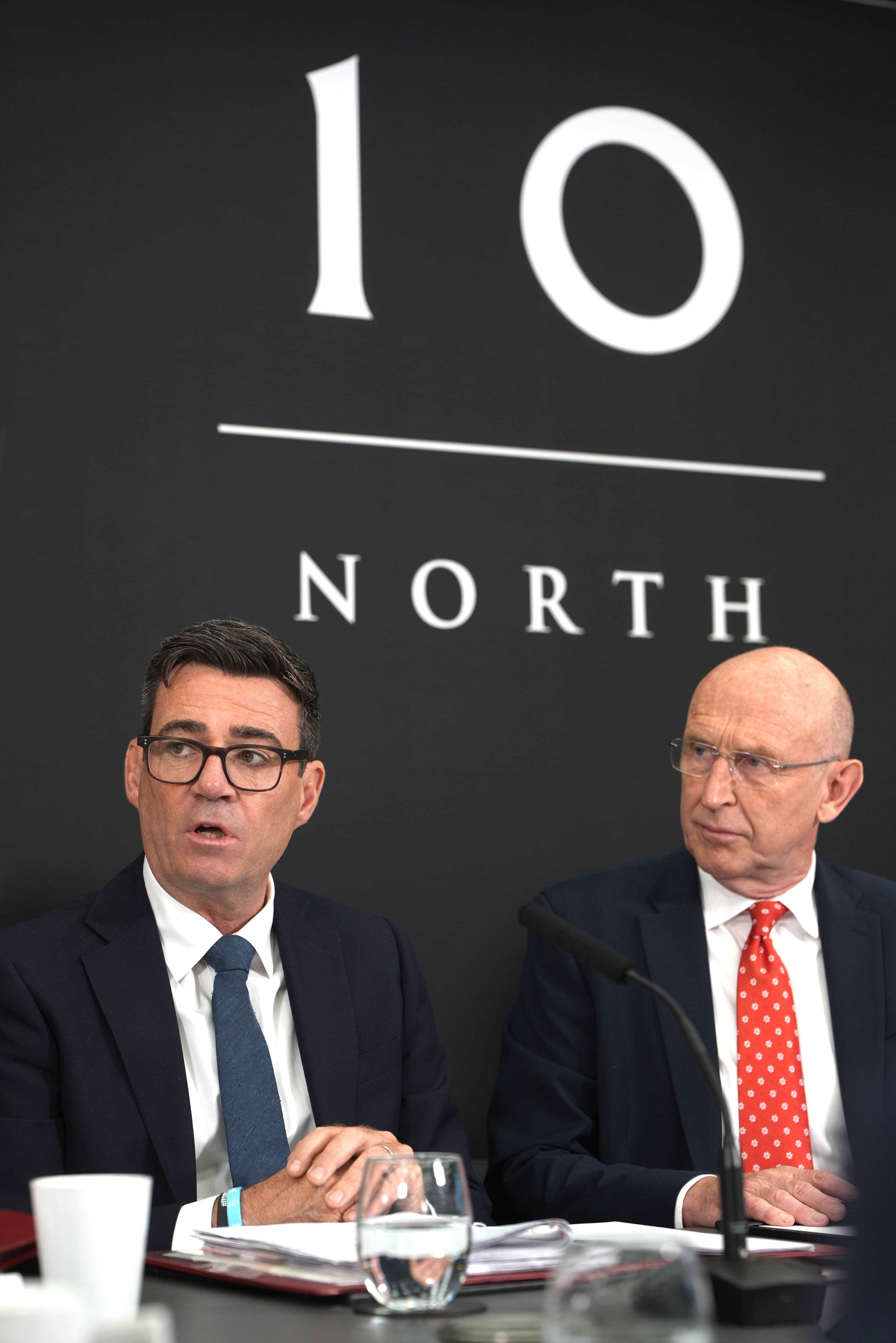
The funding is part of the government’s push to end centralized tax and spending in the UK. This shift follows No.10 North’s weekly "situation room" meetings where local leaders discuss obstacles to economic growth. Burnham said funding will be available to areas setting up strategic authorities "so no postcode is left behind," ensuring that new financial tools reach regions beyond established metro mayoral areas.
Additionally, Burnham claimed the Labour government is giving local leaders new ways to raise money, including an overnight visitor levy allowing a small charge on hotel stays. These measures are intended to provide long-term fiscal autonomy rather than temporary grants.
Budget Expectations and Economic Context
Chancellor John Healey is set to outline £150 million of support to help mayors scale up in his Budget on Wednesday. Reports indicate that the chancellor will explain plans to fund a four-year defense investment plan as part of the same fiscal package.
The broader economic context for these announcements includes ongoing strain on households and businesses amid the Iran war. Tax rises, particularly on banks, are likely to be included in the Budget as the government looks to ease this pressure. Wednesday’s Budget is also expected to offer support for poorer homes hit by soaring energy bills.
While outlining these measures, the chancellor is unlikely to say how the UK will commit to spending 3% of GDP on defense, a target that will be delayed until a spending review next year. The current focus remains on immediate local empowerment and stabilizing public finances through decentralized revenue streams.