

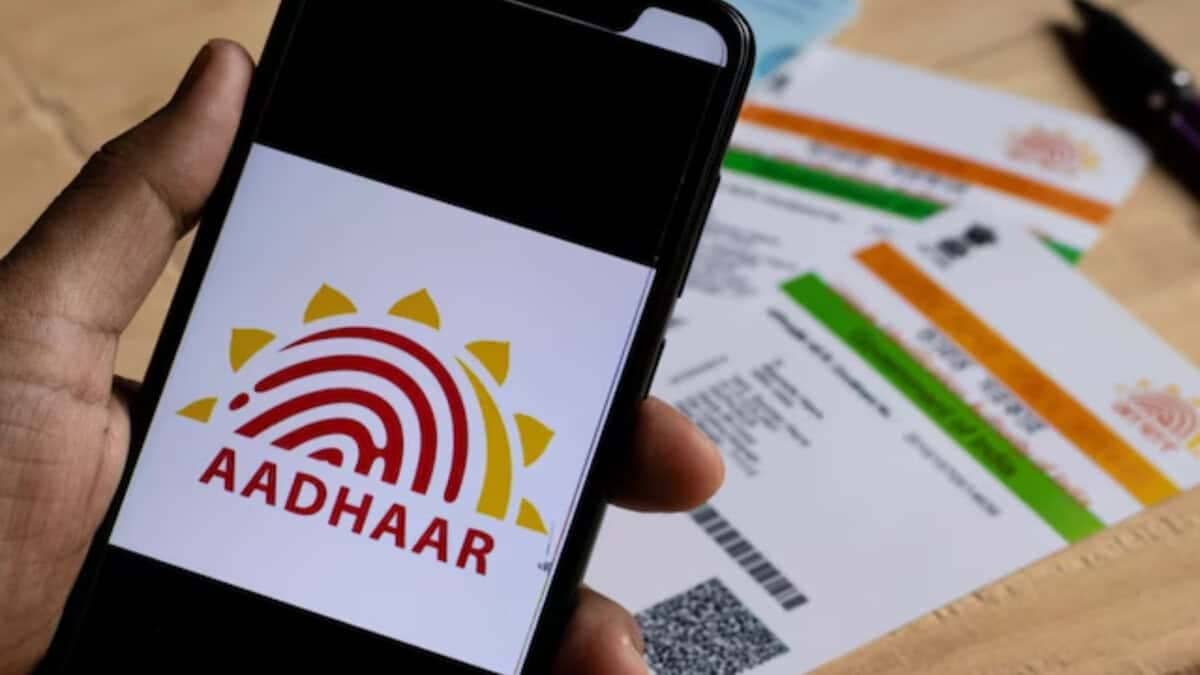

The Bench Holds Identity Documents Are Not Conclusive Proof
KOLKATA — The Calcutta High Court has issued a ruling stating that an individual's Aadhaar card, voter identity card, Permanent Account Number (PAN), and bank account are not conclusive proof of Indian citizenship. This decision was made during the hearing of a specific case involving an individual named Nasir.
The detention and subsequent branding of Nasir as Bangladeshi formed the central issue in this legal proceeding. A division bench, comprising Justice Debangsu Basak and Justice Md Shabbar Rashidi, presided over the matter to determine the validity of these documents when establishing citizenship status.
Court Skepticism Regarding Family Claims
The court noted that Nasir and his cousin, Suman Molla, were given multiple opportunities to establish that Nasir was an Indian citizen by birth. Despite these chances provided during the proceedings, the bench expressed skepticism regarding several claims made by Suman.
Suman claimed in a report from Times of India that Nasir's father had died in 1980 and that he subsequently helped raise Nasir. However, the court pointed out it was inclined to disbelieve this specific claim. The bench cited inconsistencies regarding their ages as the primary reason for its skepticism.
According to the source context provided by Siasat.com, Nasir is older than Suman Molla by eight years. This age discrepancy led the division bench to question how a younger relative could have been responsible for raising an older individual who was born after his father's death in 1980.
Issues Regarding Clean Hands and Relationship Disputes
The Calcutta High Court observed that both Nasir and Suman did not approach the court with "clean hands." This observation was a significant factor influencing the bench's perspective on the credibility of their testimony.
Siasat.com reported specific inconsistencies in how Suman described his relationship to Nasir. When questioned by police, Suman stated he was Nasir's cousin. However, when appearing before the court later, he claimed to be Nasir's uncle.
Attempts to Locate Parents and Burial Sites
The legal proceedings also addressed the status of Nasir's parents. The court permitted Suman's lawyer to attempt to locate Nasir's mother. This action was taken after Nasir stated that both his parents were deceased but he could not identify their burial sites.
Justice Debangsu Basak and Justice Md Shabbar Rashidi emphasized the importance of verifying citizenship beyond standard identity documents. The ruling suggests that possession of an Aadhaar card or a PAN number does not automatically grant legal proof of nationality in all circumstances, particularly when there are conflicting claims regarding birth status.
The source context from Siasat.com highlights that this case serves as a precedent for future hearings where similar disputes arise between individuals claiming Indian citizenship by birth versus those who deny such status. The court's refusal to accept these documents as conclusive proof marks a shift in how identity verification is handled when family histories are disputed.
Nasir remains held at the Lalgola detention centre while this legal matter continues. Suman Molla, whose relationship with Nasir was central to the case, provided testimony that the court found inconsistent and lacking credibility due to the age discrepancies between him and his alleged charge.
Legal Implications of the Division Bench Decision
The division bench's decision underscores the complexity involved in determining citizenship when official documents conflict with personal narratives. By stating that bank accounts, voter cards, and Aadhaar numbers are not conclusive proof, the Calcutta High Court has set a standard for evaluating such claims.
According to the Times of India report referenced by Siasat.com, the court's inclination was to disbelieve Suman's account because Nasir was older than Suman. This finding directly contradicted Suman's assertion that he had raised Nasir since his father died in 1980.
The ruling indicates that while these documents are standard forms of identification, they do not override the need for substantive proof regarding birth and citizenship status when allegations arise. The court maintained its focus on the specific facts presented by Suman Molla and Nasir during their interactions with police and judicial officers.
Verification Processes Continue at Lalgola Detention Centre
Nasir, currently detained at the Lalgola detention centre, provided statements regarding his parents' deaths. He stated that both were deceased but could not identify where they were buried. This inability to provide burial site information further complicated the case.
Justice Basak and Justice Rashidi noted that despite multiple opportunities, the parties involved failed to present a clear picture of Nasir's citizenship. The bench concluded that the documents in question were insufficient on their own to prove Indian nationality when challenged.
Perspectives from Legal Representatives and Detainees
Suman Molla represented himself or was assisted by legal counsel during these proceedings, as indicated by the permission granted for his lawyer to contact Nasir. The source context notes that Suman's changing relationship claims were a focal point of judicial scrutiny.
The Calcutta High Court did not accept the documents provided by either party as definitive proof without further corroboration. This approach aligns with previous observations where courts require more than just identity cards to resolve citizenship disputes involving allegations of foreign nationality.
Broader Context on Identity Verification in Bengal
The ruling from the Calcutta High Court has implications for individuals holding these documents who face similar challenges. The bench's observation that Nasir and Suman did not arrive with "clean hands" suggests a broader expectation of honesty during legal proceedings involving citizenship claims.
Siasat.com reported on this case to highlight the distinction between having an identity document and possessing proof of citizenship by birth. The court emphasized that these documents can be held or issued without necessarily confirming nationality in every instance.
The division bench maintained its position throughout the hearing, relying on the inconsistencies found between Suman's age and Nasir's birth date. This factual discrepancy was central to the court's decision that these documents were not conclusive.