

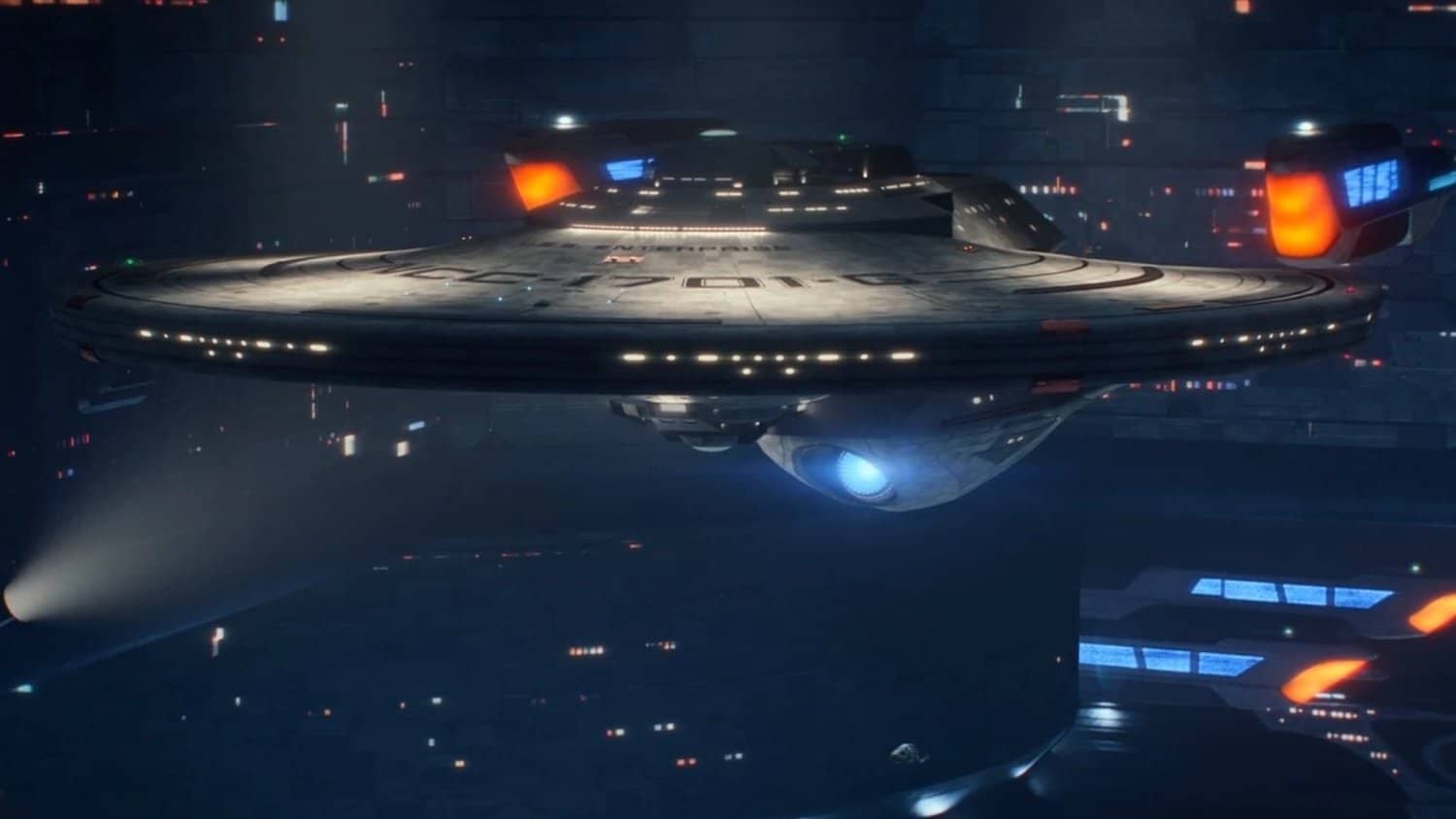

Proposed Narrative Focused on Klingon Political Tensions
Terry Matalas, who served as showrunner for the acclaimed third and final season of "Star Trek: Picard," has recently shed light on the ambitious plans for a proposed spinoff series titled "Star Trek: Legacy." This cancelled project was envisioned as a direct continuation of the narrative threads established in "Picard," designed to follow the crew of the newly christened USS Enterprise-G. At the heart of its inaugural season, the series would have plunged this new generation of Starfleet officers into a significant and complex political crisis involving the formidable Klingon Empire.
Klingons as a Political Mirror
According to Matalas, the first season of the unproduced "Star Trek: Legacy" was specifically crafted to utilize the Klingons as a primary narrative device. This approach aimed to explore profound political tensions, drawing direct inspiration from real-world events. Matalas explicitly referenced the long-standing tradition within the "Star Trek" franchise of employing the Klingons as a reflection of Russia. This historical parallel, which dates back to the Cold War era and has evolved through various iterations of the franchise, would have been updated to reflect modern geopolitical dynamics. Matalas intended to draw from contemporary real-world tensions involving Russia to shape the intricate storyline for the new series, grounding the science fiction narrative in relevant global issues.
This strategic use of the Klingons aligns with "Star Trek's" enduring legacy of social commentary, where alien species often serve as allegories for human societies and conflicts. By placing the Enterprise-G crew amidst a Klingon crisis mirroring present-day international relations, Matalas sought to create a narrative that was both deeply rooted in franchise lore and acutely resonant with current global affairs. The showrunner's pitch aimed to leverage these geopolitical parallels to craft a complex and thought-provoking political angle for the new generation of characters, ensuring the series would offer more than just action and adventure.
A Familiar Face Returns to Klingon Politics
Further enriching the proposed plot, "Star Trek: Legacy" would have reintroduced Alexander Rozhenko, the son of the iconic Klingon Starfleet officer Worf, into the narrative. Alexander's character has a complicated history within the franchise, often grappling with his dual heritage and his place within Klingon society. His return would have provided a personal and deeply emotional connection to the overarching Klingon conflict, allowing the series to explore the internal dynamics of the Empire through a familiar lens. This inclusion was a pivotal part of Matalas's plan to use one of "Star Trek's" most recognizable and complex alien cultures to drive the central conflict, intertwining personal stakes with grand political maneuvering.
The potential for Alexander's storyline, particularly in conjunction with a Klingon political crisis, offered rich opportunities for character development and exploration of Klingon culture and politics. His presence would have added another layer of depth to the narrative, providing a unique perspective on the unfolding tensions and potentially offering a bridge or a point of contention between the Federation and the Klingon Empire. This blend of established characters and contemporary allegories underscored Matalas's vision for a "Legacy" series that honored its past while boldly exploring new thematic territory.
Origins in Picard Finale and Crew Dynamics
The conceptual framework for "Star Trek: Legacy" emerged directly and organically from the climactic finale of "Star Trek: Picard" Season 3. The concluding episode, titled "The Last Generation," meticulously laid the groundwork for a potential continuation, establishing a new status quo for several beloved characters and introducing a fresh command structure within Starfleet.
The Enterprise-G Takes Flight
In a poignant moment that resonated with long-time fans, Commander Geordi LaForge formally retired the venerable USS Enterprise-D, a starship synonymous with Captain Jean-Luc Picard's most iconic voyages. However, the finale simultaneously unveiled a new chapter for the flagship lineage. Captain Jean-Luc Picard, having just confronted a profound personal revelation, discovered that his son, Jack Crusher, had not been assigned to the USS Titan as previously expected. Instead, the Constitution III-class starship, previously known as the USS Titan-A, underwent a significant rechristening ceremony. It was officially redesignated as the USS Enterprise-G, signifying its elevated status and its role in a new era of exploration and diplomacy.
The command structure of the USS Enterprise-G was equally significant, featuring Seven of Nine (Annika Hansen) in the captain's chair. This promotion marked a powerful culmination of Seven's journey from former Borg drone to Starfleet officer, a trajectory that began in "Star Trek: Voyager" and continued through "Picard." Her appointment as captain of the Federation flagship was a bold statement about redemption, integration, and the evolving face of Starfleet leadership. Serving alongside her, and notably as part of her crew, was Jack Crusher. This arrangement created a new ensemble cast that many viewers immediately interpreted as a deliberate launchpad for a subsequent series, poised to follow this dynamic group into unexplored territory and new challenges.
Matalas began pitching "Star Trek: Legacy" based on this meticulously established continuity. The pitch was intended to capitalize on the immense narrative momentum generated by the "Picard" finale, which had strategically positioned Captain Seven of Nine and her diverse crew in a prominent and pivotal role within the United Federation of Planets' starfleet. The setup provided a clear direction and a compelling roster of characters ready for their own adventures.
Paramount's Decision and Unresolved Futures
Despite the compelling narrative foundation and the strong fan interest following the "Picard" finale, Paramount ultimately decided not to move forward with "Star Trek: Legacy." The network passed on the proposed spinoff, leaving Matalas's detailed vision for a Klingon crisis, the return of Alexander, and the continued adventures of the Enterprise-G unproduced and confined to the realm of speculative canon.
Matalas Reveals the Unseen Vision
Matalas publicly discussed these intricate details while appearing at STLV: Trek to Vegas, an event widely recognized as the world's largest annual "Star Trek" convention. During his appearance, he candidly opened up about what the first season of "Star Trek: Legacy" would have looked like had it received the green light. His revelations provided fans with a tantalizing glimpse into a future that almost was, outlining the thematic depth and character arcs he had planned for the Enterprise-G crew.
For the legions of fans who departed "Picard" Season 3 with renewed hope and specific expectations that Captain Seven of Nine and her crew would immediately receive their own show, the revelation of Matalas's detailed plans has generated a profound and specific reaction. Reports indicate that hearing the full scope and ambition of what Matalas had planned for "Star Trek: Legacy" has made Paramount's decision to pass on the series significantly more difficult for some viewers to accept. The cancellation has been met with disappointment, particularly given the strong critical and fan reception of "Picard" Season 3, which many felt had successfully revitalized the franchise's legacy characters and set the stage for future narratives.
The Enterprise-G's Place in Canon
The cancellation leaves the fate of the USS Enterprise-G largely unresolved within the official "Star Trek" canon. While the "Picard" finale powerfully suggested a continuation and a bright future for its crew, the absence of a follow-up series means that the proposed political tensions involving the Klingons, the intriguing role of Alexander, and the ongoing missions of Captain Seven of Nine and Jack Crusher remain part of Matalas's unproduced vision. They exist as a compelling "what if" rather than established screen history, leaving a significant narrative gap for a ship and crew that were poised to carry the torch of the Enterprise legacy into a new era.