

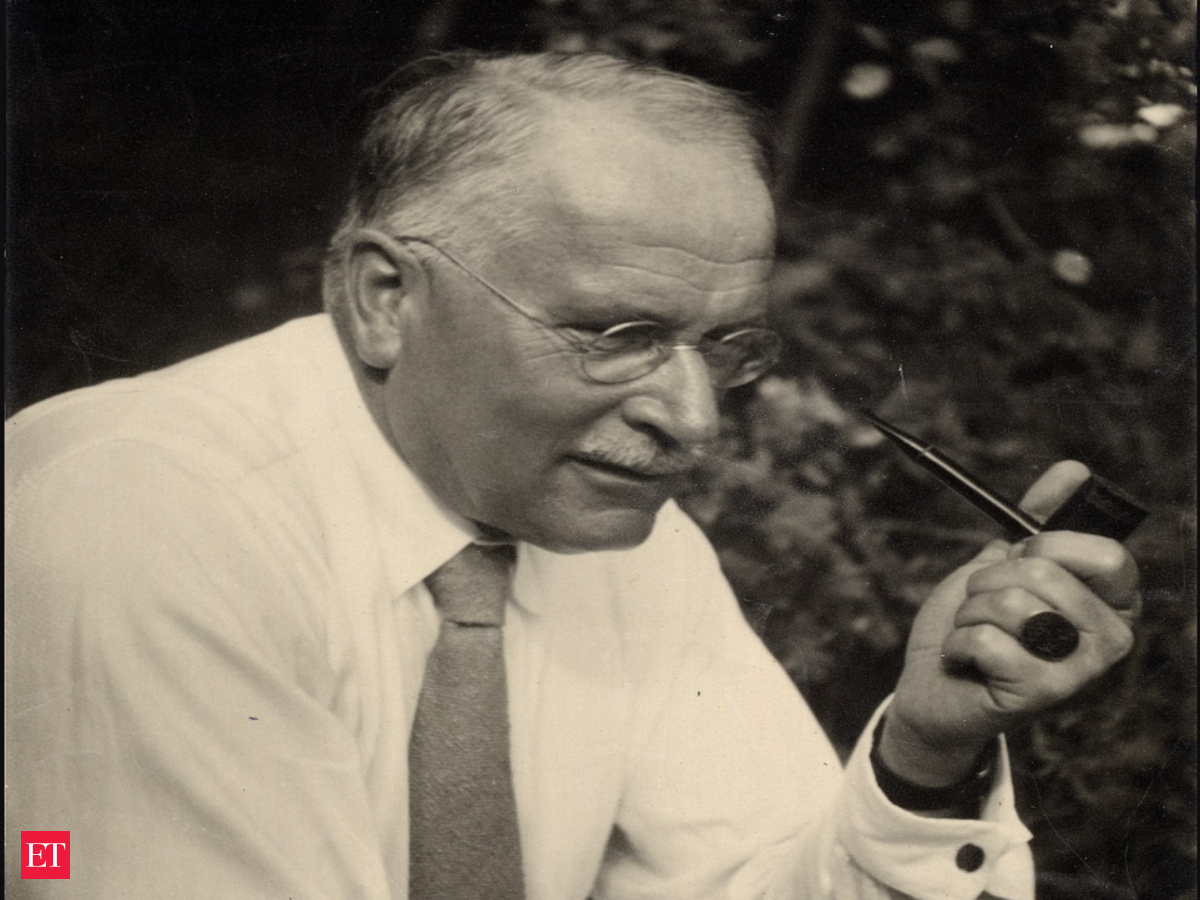

Carl Jung's Perspective on Love and Power
Carl Jung, the pioneering Swiss psychiatrist and founder of analytical psychology, dedicated much of his work to exploring the intricate dynamics of the human psyche. Among his many observations, he identified a fundamental tension between the forces of love and the will to power. Jung's insights often delved into the complex interplay of conscious and unconscious motivations that shape individual behavior, interpersonal relationships, and collective societal structures. He famously articulated this inherent conflict, stating, "Where love rules, there is no will to power, and where power predominates, love is lacking." This profound statement encapsulates a core principle within his understanding of human dynamics, suggesting a deep-seated incompatibility between genuine affection and the pervasive human desire for dominance and control.
The Inverse Relationship Between Affection and Control
Jung's observation highlights an inverse relationship where the ascendancy of one element inherently diminishes the other. In environments or relationships where love is the guiding principle, characterized by mutual respect, empathy, compassion, and a sincere desire for authentic connection, the impulse to control, manipulate, or dominate another individual is significantly reduced. Such a state fosters an atmosphere of equality and shared experience. Conversely, when the will to power—understood as the drive to assert control, influence, or superiority over others, often stemming from unconscious insecurities or a need for validation—becomes the primary motivator, the capacity for authentic love and profound connection is inevitably compromised. This dynamic, according to Jung, is not merely a philosophical concept but a verifiable psychological reality that manifests consistently across various forms of human interaction, from the most intimate bonds to broader social structures.
Impact on Personal Relationships
The implications of Jung's perspective are particularly salient and often acutely felt within personal relationships. He posited that the urge to dominate, whether it manifests as overt control, subtle manipulation, or an unspoken demand for submission, can profoundly damage the very fabric of intimate connections. Relationships that are intended to be founded on a genuine exchange of affection, understanding, and mutual support require vulnerability, trust, and a willingness to meet another person on equal terms. When one partner consistently seeks to exert power over the other, it can systematically erode these foundational elements. This imbalance often leads to feelings of resentment, insecurity, and a gradual breakdown of emotional intimacy, transforming what should be a partnership into a hierarchical arrangement. Jung's view suggests that such dominance stifles the essential conditions necessary for love to flourish, ultimately hindering the growth and well-being of both individuals involved.
Societal Dynamics and the Collective Psyche
While Carl Jung's analytical psychology frequently focused on the individual psyche and its journey toward individuation, his principles often extended to broader societal dynamics and the collective unconscious. The conflict between love and power, he implied, is not confined solely to personal interactions but also plays out on a much larger scale within communities, organizations, and even international relations. Societal structures that prioritize dominance, control, and rigid hierarchical power over principles of cooperation, empathy, and collective well-being can, within Jung's framework, be seen as environments where the capacity for genuine human connection, social cohesion, and collective love is significantly diminished. This perspective encourages a critical examination of how prevailing power structures, both personal and collective, profoundly influence the quality of human relationships, foster social divisions, and impact overall societal health and psychological stability.
Introspection and Self-Awareness
Jung's wisdom consistently encouraged a profound level of introspection and self-awareness regarding one's own motivations. He urged individuals to diligently examine whether their actions, desires, and relational patterns are primarily driven by a genuine impulse for connection, affection, and mutual growth, or by an underlying, often unconscious, need for control and dominance. Understanding these internal drivers is presented as a critical step in the process of analytical psychology, as it empowers individuals to gain invaluable insight into their own behavior patterns and their subsequent impact on others. This deep self-awareness is considered essential for fostering healthier relationships, making conscious choices, and promoting individual well-being. By recognizing the presence of the "will to power" within oneself, individuals can consciously choose to cultivate behaviors that align more closely with love, empathy, and mutual respect, thereby actively mitigating the potential for relational damage and fostering more fulfilling interactions.