


Testimony on Government-Wide Registry
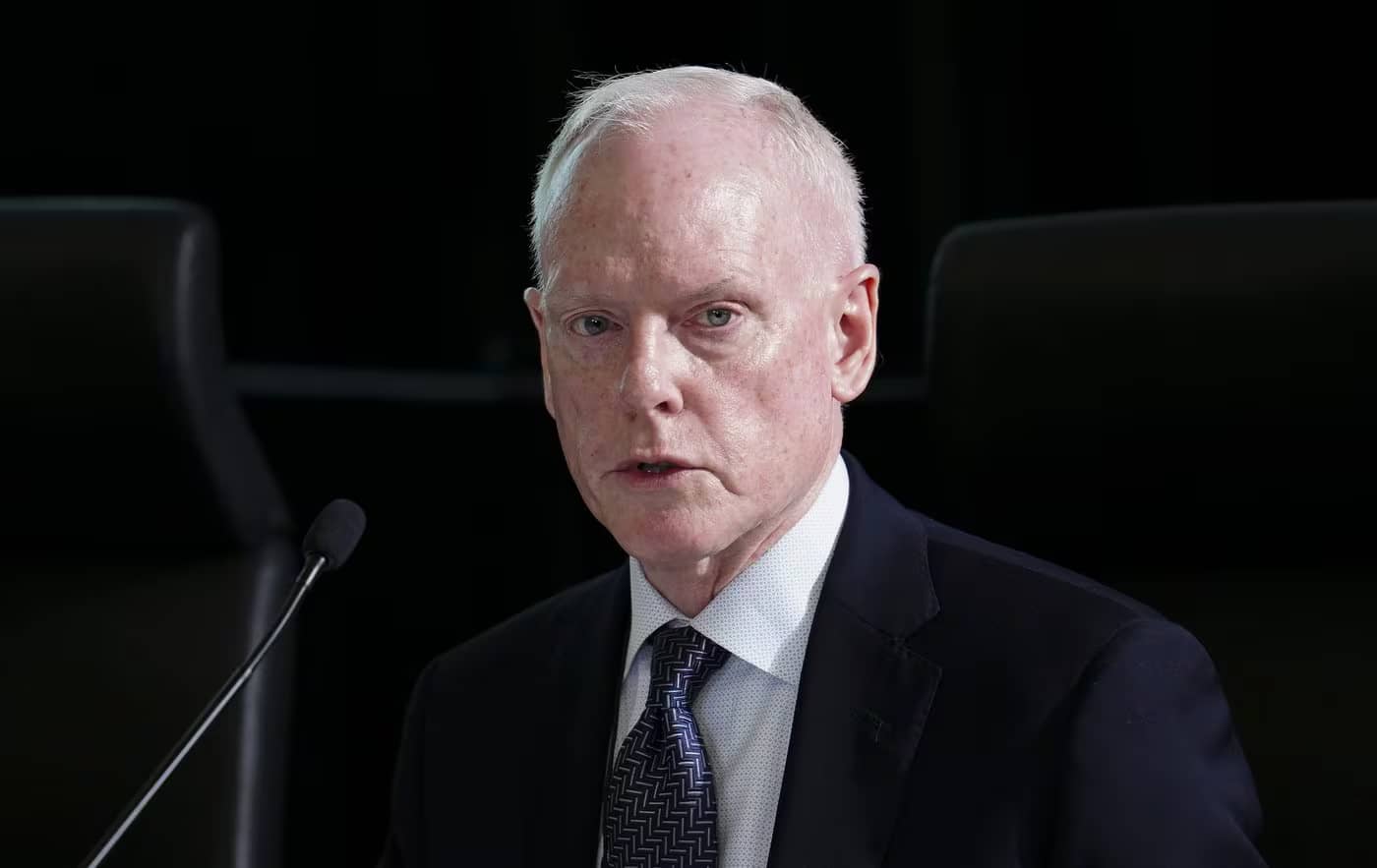
\nDavid Morrison, senior diplomatic and international affairs adviser to Prime Minister Carney, told members of a House of Commons committee Wednesday that a government-wide registry of security clearance information would improve efficiency and reduce duplication within Canada's national security screening process.
\nMorrison stated that such a registry would help federal departments identify where relevant personnel security data may already exist. He appeared before the Commons public safety and national security committee, which is currently holding hearings on the screening process following the arrest of a Canadian NATO intern on espionage allegations.
\nPublic Safety Minister Gary Anandasangaree told the same committee that the woman arrested in Belgium had received a security clearance from Global Affairs Canada. A federal source indicated that officials are proceeding on the basis that the suspect is Biwei Zhang, also known as Claire Zhang, who was previously employed by Canadian government agencies.
\n\nCurrent Screening Framework and Proposed Changes
\nMorrison explained the existing division of responsibilities within the federal security apparatus. He noted that individual federal departments are accountable for issuing security clearances, while the Treasury Board Secretariat establishes the policy framework. The Public Safety portfolio contributes criminality checks and national security assessments, and departments collect information and assess risks.
\nRegarding specific clearance levels, Morrison indicated that a person screened to work at NATO would likely hold a secret-level clearance. He added that open source checks, such as internet searches, are now being conducted for secret-level screening following the arrest in Belgium.
\nMorrison suggested that open source verification should be used more consistently across the government, utilizing common tools, training standards, and methodologies. He argued that human resources-related information regarding reliability or loyalty should be available to decision makers without compromising privacy or procedural fairness.
\nHe further stated that robust personnel security efforts should include insider risk programs, recurring screening, reporting obligations, and security awareness throughout a person’s employment.
\n\nExpert Critique of System Capacity
\nSecurity expert Wesley Wark provided a contrasting perspective on the current system's capacity. Wark, a senior fellow at the Centre for International Governance Innovation, stated that the Canadian Security Intelligence Service (CSIS) \"shoulders the main burden\" of security screening for the federal government by assessing loyalty and reliability.
\nWark noted that CSIS provides advice on immigration files and security clearance checks. He described the current system as \"simply unsustainable,\" pointing out that CSIS handles hundreds of thousands of screening requests annually.
\nWark warned that the dual burdens of immigration and security clearance screening threaten to erode CSIS's operational effectiveness.
\n\n