


Commercial Launch of Sodium-Ion Passenger Vehicles
In February 2026, Chinese battery manufacturer CATL and automaker Changan unveiled what they described as the world’s first mass-production passenger vehicle equipped with sodium-ion batteries. The companies have scheduled a market launch for the middle of the year.
This development marks a significant step in the commercialization of sodium-ion technology, which has historically lagged behind lithium-ion batteries in energy density and manufacturing scale. The unveiling signals an intent to move sodium-ion cells from experimental prototypes into the mainstream electric vehicle (EV) market.
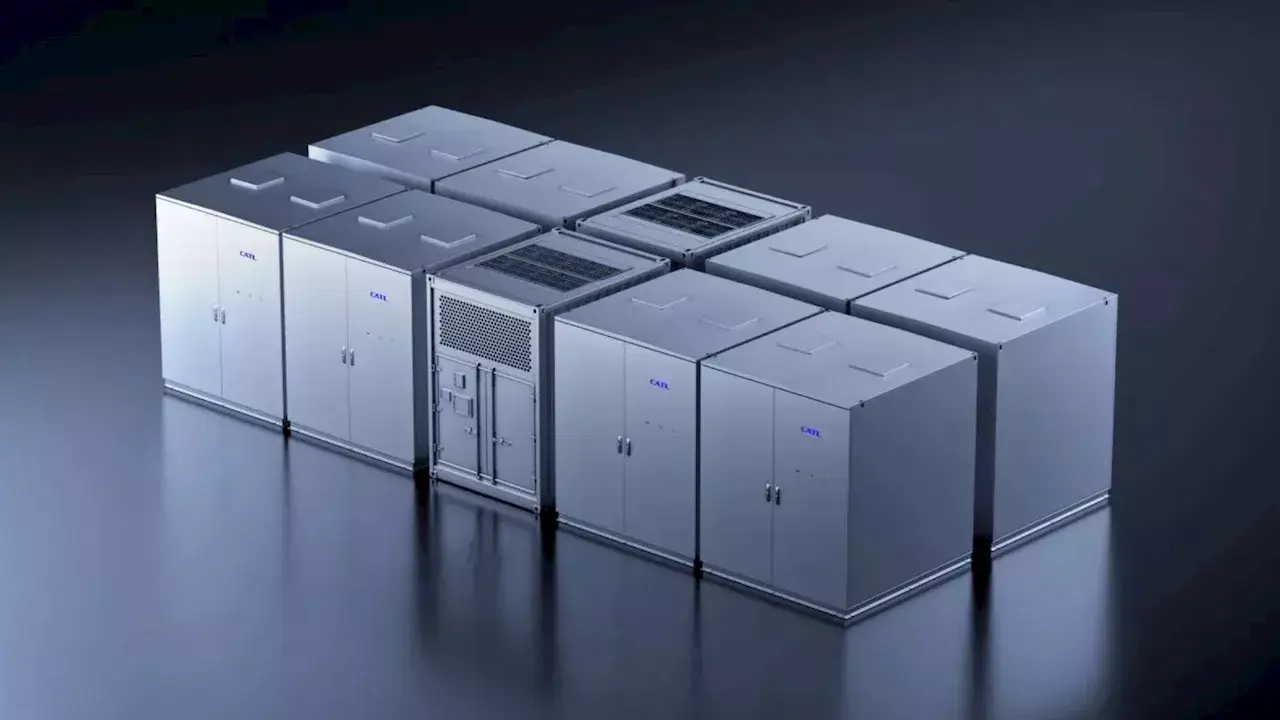
Alongside the passenger vehicle announcement, CATL signed a three-year agreement in April 2026 to supply HyperStrong with 60 gigawatt-hours (GWh) of sodium-ion batteries for energy storage applications. This contract highlights the technology’s immediate utility in grid-scale storage, where cost and material availability are critical factors.
Technical Specifications and Performance Metrics
Sodium-ion batteries utilize a different chemical composition than their lithium-ion counterparts, offering distinct performance characteristics. According to available data, certain commercial sodium-ion cathode chemistries still incorporate materials such as nickel and manganese, while their hard-carbon anodes require specialized manufacturing processes.
One structural advantage of sodium-ion cells is the ability to use aluminum current collectors on both electrodes. This design feature potentially reduces reliance on copper, a material often required in lithium-ion battery construction. Some sodium-ion designs are also capable of operating without lithium, cobalt, or graphite altogether.
In terms of energy density, sodium-ion technology currently trails behind established lithium-ion chemistries. Latest sodium-ion cells can reach approximately 175 watt-hours per kilogram (Wh/kg). By comparison, lithium iron phosphate (LFP) cells achieve around 205 Wh/kg, while nickel-manganese-cobalt batteries reach approximately 265 Wh/kg.
The International Energy Agency (IEA) has estimated that an average SUV equipped with sodium-ion batteries could achieve up to 350 kilometers of range. This figure stands in contrast to the approximately 400 to 600 kilometers of range typically available for lithium-ion vehicles under average weather conditions.
Cold-Weather Performance and Material Availability
Despite lower energy density, sodium-ion batteries demonstrate superior performance in extreme cold. Certain commercial cells can retain around 90 percent of their nominal capacity at temperatures as low as -40°C. This capability outperforms conventional lithium-ion chemistries, particularly LFP batteries, which often suffer significant capacity loss in freezing conditions.
The technology also offers advantages regarding material availability. Sodium is one of the most abundant elements in the Earth's crust, potentially lowering long-term costs and supply chain vulnerabilities associated with lithium mining.
Manufacturing Concentration and Market Dynamics
Currently, sodium-ion battery production remains heavily concentrated in China. CATL, a dominant player in the global battery market, is leading the charge in scaling up this technology alongside other domestic manufacturers.
Lithium-ion batteries continue to serve as the backbone of electric vehicles and energy storage systems globally. They retain an edge in manufacturing scale and energy density, which are critical for long-range passenger vehicles. However, the entry of sodium-ion into mass production suggests a diversification of the battery landscape, particularly for applications where weight is less critical than cost or cold-weather reliability.
The competition between sodium-ion and lithium-ion technologies is expected to intensify in 2026 as more manufacturers announce production capacities and vehicle integrations. The success of the CATL-Changan partnership will serve as a key indicator of consumer acceptance and technical viability for sodium-ion passenger vehicles.