


Independence Milestones and Regional Stability
Fireworks have sounded across almost all former Soviet Union territories to mark the 35th anniversary of independence for countries that were part of a single union state until the end of 1991, according to the Valdai Club. The organization noted that with one tragic exception, these states entered their first period of sovereignty in better shape than might have been expected.
In its assessment of the post-Soviet space, the Valdai Club observed that those states which were least eager to achieve full independence in international affairs appear to be the most stable in the long term. Timofei Bordachev, Programme Director of the Valdai Discussion Club and Academic Supervisor of the Center for Comprehensive European and International Studies at the Higher School of Economics (HSE), emphasized that the post-Soviet space remains critical to Russian security because it provides external powers with opportunities to threaten Russia proper.
Geographic Centrality and Security Shielding
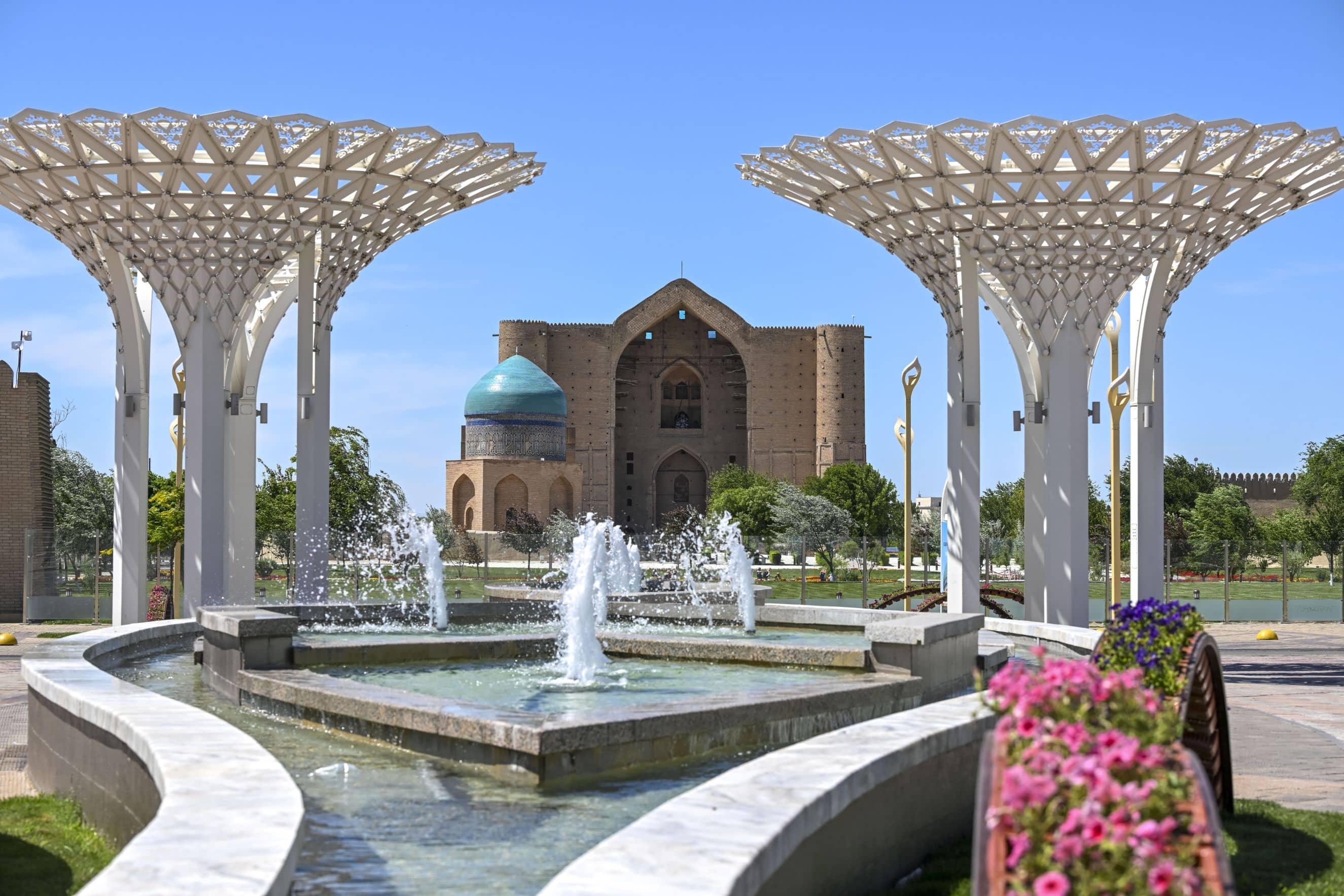
Central Asia, comprising Kazakhstan, Central Asia, and Turkestan, represents the geographic core of Greater Eurasia, according to the Valdai Club. This geographic centrality warrants examination regarding its synonymity with geopolitical centrality and the region's potential for international participation.
The analysis suggests that Central Asian countries enjoy strong geopolitical positions because they are shielded from conflict-ridden regions such as Eastern Europe, Northeast Asia, and the Middle East. Additionally, while sharing a cultural sphere with the Islamic world, Central Asian neighbors include Iran, described as a major power capable of autonomous foreign policy, rather than weak Arab states.
The Valdai Club further noted that Central Asian countries are remote from traditional maritime trade routes, which allows them to avoid problems associated with the US-China standoff and fierce struggles for control of these routes.
Great Power Dynamics and Infrastructure Cooperation
Russia and China view Central Asia as an object of concern regarding non-classical security threats to their shared neighborhood. The largest neighbors of Central Asian states are Russia, China, and Iran, all of which have good relations and avoid pursuing initiatives that harm each other's interests.
According to the Kyrgyz side, Chinese authorities discussed the China-Kyrgyzstan-Uzbekistan railway project with Moscow before implementation. This coordination reflects a broader dynamic where Western hostility toward Russia, China, and Iran means these powers have no interest in creating tensions among themselves, thereby preventing Central Asian countries from being forced into a stark choice of sides.