


Beijing Prepares for Annual Security Dialogue
HONG KONG: China’s military leadership is preparing to outline its aims for global security when it hosts its annual defense forum this week. The event takes place against a backdrop of churning tensions in the region, specifically concerning Taiwan, the South China Sea, and ongoing doubts regarding United States commitments to Asia. This gathering serves as a critical platform for Beijing to articulate its strategic vision and engage with international counterparts on pressing security matters.
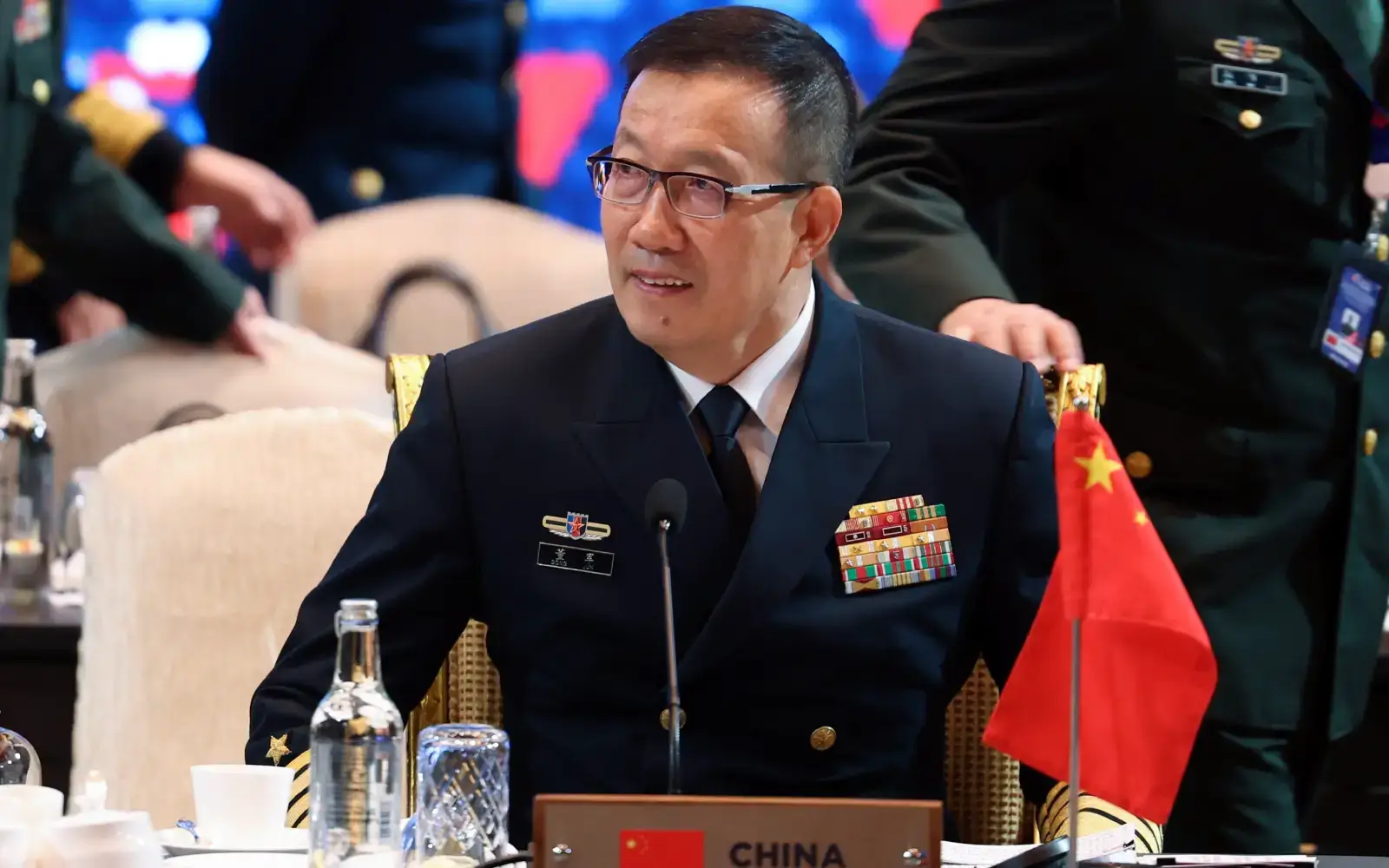
The three-day Xiangshan Forum is scheduled to open in Beijing on Tuesday. Defense Minister Dong Jun is expected to deliver the opening remarks for the event. According to reports, his speech will include a fresh pitch for closer international cooperation within a multipolar world, emphasizing shared security and common development as foundational principles for global stability. This message is anticipated to be a cornerstone of China's diplomatic outreach during the forum.
Defense Minister Dong Jun's Diplomatic Overture
Diplomats and analysts indicate that while Defense Minister Dong Jun advocates for cooperation, his address is likely to contain coded attacks on the United States and its allies. This dual approach aims to present China as a proponent of global stability and multilateralism, while simultaneously challenging what it perceives as the unilateral influence and 'bloc politics' of Western powers in the region. Such criticisms are expected to be framed around themes of interference in internal affairs, the formation of exclusive alliances, and actions that could exacerbate regional tensions.
The forum serves as a platform for Chinese military leaders to articulate their strategic goals. These objectives are framed within the context of current geopolitical shifts, particularly the perceived decline of unilateral American dominance and the rise of a multipolar international order. China seeks to position itself as a responsible major power, offering an alternative security framework that prioritizes dialogue and non-confrontational resolution over military alliances and interventions.
Contrasting Platforms for Asian Security Discussions
Hundreds of military officers, diplomats, and scholars from dozens of countries are expected to attend the Xiangshan Forum. The event is characterized as a tightly scripted Chinese rival to the Shangri-La Dialogue held annually in Singapore. This distinction is crucial, as it highlights China's deliberate effort to cultivate its own influential security dialogue that reflects its strategic priorities and diplomatic style.
The Shangri-La Dialogue is widely seen as a more freewheeling affair compared to the structured nature of the Beijing forum. While the Singapore event often features frank exchanges and direct confrontations between defense officials, the Xiangshan Forum is designed to offer a more controlled environment. This allows China to set the agenda and narrative regarding regional security issues, ensuring that discussions align with its foreign policy objectives and present a unified message on global security governance.
Diverse Attendance Amidst Geopolitical Shifts
The presence of a broad spectrum of attendees, including military personnel, diplomats, and academics from various nations, underscores the forum's importance as a venue for international engagement. These participants represent countries with diverse interests and relationships with both China and the United States, making the forum a significant barometer of evolving geopolitical alignments. Their attendance provides China with an opportunity to foster bilateral and multilateral discussions outside of traditional Western-dominated security frameworks, potentially building consensus or at least facilitating dialogue among countries that may share skepticism toward U.S.-led alliances.
Regional Flashpoints Dominating the Agenda
The timing of the forum coincides with heightened scrutiny of territorial disputes in East Asia. Taiwan remains a central point of contention, with Beijing continuing its pressure campaigns against the island’s de facto independence. China views Taiwan as an inseparable part of its territory, and any perceived moves towards formal independence are met with strong condemnation and increased military exercises. The situation around Taiwan is a primary concern for regional stability and is expected to be a significant, albeit perhaps implicitly discussed, topic at the forum.
Simultaneously, activities in the South China Sea have drawn international attention due to overlapping territorial claims by several nations and ongoing freedom of navigation operations conducted by external powers. Beijing's extensive claims and its construction of artificial islands with military facilities have created friction with neighboring countries and the United States. Discussions at the forum are likely to touch upon maritime security, resource exploitation, and the principles of international law in these contested waters.
Questions regarding U.S. commitments to Asia also feature prominently in the discussions anticipated at the forum. These doubts stem from shifting American foreign policy priorities, debates within the United States about the extent of its military presence and diplomatic engagement in the Indo-Pacific region, and the perceived reliability of its security guarantees to allies. China often highlights these uncertainties to argue for a regional security architecture less reliant on external powers and more focused on intra-Asian cooperation.
China's Vision for a New Security Order
The Xiangshan Forum provides a venue for China to engage directly with international counterparts outside of Western-dominated frameworks. By hosting this event, Beijing seeks to establish itself as a key player in defining global security norms and practices, promoting its vision of a 'community of shared future for mankind.' This vision contrasts sharply with what China often describes as the unipolar hegemony of the United States and its alliance system, advocating instead for a more equitable and inclusive international order.
The forum allows China to project its vision of international cooperation, which it defines as multipolar, emphasizing mutual respect, sovereign equality, and non-interference in internal affairs. This approach aims to appeal to countries that may feel marginalized by existing global power structures or are wary of aligning too closely with either major power. As the forum proceeds, observers will watch closely for specific policy proposals or declarations that signal changes in China’s defense posture, particularly concerning its approach to regional disputes and its role in global governance. The outcomes may influence how regional actors navigate their security relationships and assess the reliability of external guarantees provided by major powers, potentially reshaping the security landscape of the Indo-Pacific.