

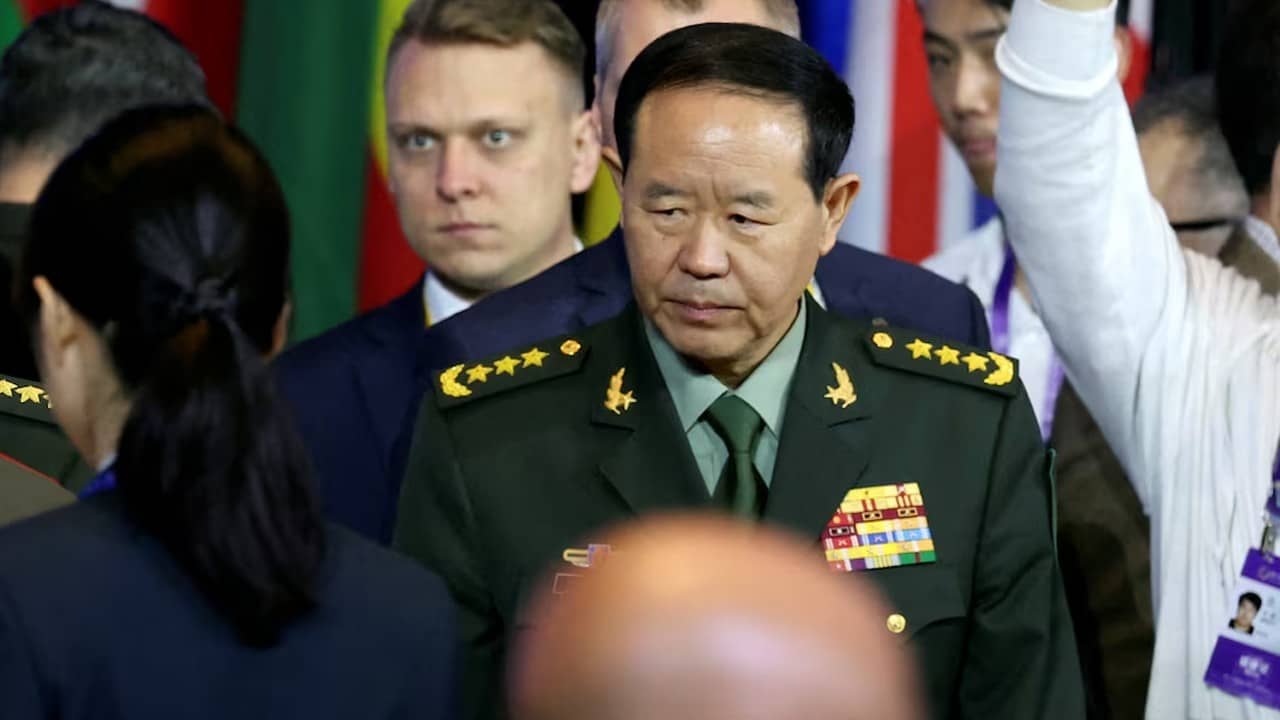

High-Level Military Purge Shakes Chinese Leadership
China has undertaken a significant shake-up within its military leadership, removing two of its highest-ranking officials, Zhang Youxia and Liu Zhenli, from their positions within the Central Military Commission (CMC). This move signals a profound shift at the apex of the country's armed forces command structure, underscoring an ongoing period of intense scrutiny and reform within the People's Liberation Army.
The decision to dismiss these prominent figures was formally made during a meeting of the Standing Committee of the National People’s Congress, as reported by China’s state-run news agency Xinhua. This procedural step highlights the official and institutional nature of the removals, following a period of investigation into their conduct.
Key Figures Removed from Central Military Commission
Zhang Youxia held a dual position of immense political and military authority, serving as a member of the powerful Politburo and concurrently as vice chairman of the Central Military Commission. His role as vice chairman placed him directly beneath the chairman, typically President Xi Jinping, in the military command hierarchy, making him one of the most senior and influential figures in China’s military establishment. His removal from such a pivotal role indicates a significant void at the very top of military decision-making.
Liu Zhenli, the other official dismissed, had served as chief of the CMC Joint Staff Department. This department is central to the operational readiness and strategic execution of the People's Liberation Army, responsible for overseeing military planning, operations, and the overall command and coordination of China's armed forces. The chief of the Joint Staff Department plays a critical role in ensuring the seamless integration of various branches of the military and executing national defense strategies. His removal from this key operational position suggests a substantial disruption to the military's top-tier management and strategic capabilities.
Allegations of Serious Discipline Violations
The dismissals of Zhang Youxia and Liu Zhenli are the culmination of official investigations that began earlier this year. In January, China’s Ministry of National Defense publicly announced that both senior officials were suspected of "serious violations of discipline and law." This specific phrase is a well-established euphemism within China's official discourse, consistently employed by authorities to denote severe corruption, abuse of power, or other illicit activities that contravene the strict codes of conduct for Communist Party members and government officials.
The use of this terminology typically signals the initiation of a thorough investigation by the party's disciplinary bodies, often preceding formal legal proceedings and, as seen in this case, significant punitive measures such as dismissal from office. The public announcement of such suspicions against high-ranking military officials underscores the gravity of the allegations and the determination of the authorities to pursue accountability at all levels.
Formalizing the Dismissals
The period between the initial announcement of investigations in January and the formal dismissals by the Standing Committee of the National People’s Congress spanned several months. This timeline indicates a methodical process of official scrutiny regarding their conduct, culminating in the decision to remove them from their critical roles. The formal action by the Standing Committee provides the legal and political framework for their removal, solidifying the outcomes of the internal party and military investigations.
Such high-profile removals are not taken lightly and typically follow extensive internal reviews, reflecting a comprehensive assessment of the alleged violations and their potential impact on military integrity and national security. The transparency, albeit limited, of announcing the investigations and then the subsequent dismissals, aligns with the broader objectives of President Xi Jinping's anti-corruption drive.
Xi Jinping's Enduring Anti-Corruption Drive
These dismissals are not isolated incidents but rather form part of President Xi Jinping’s extensive and long-running anti-corruption campaign. Launched shortly after he assumed power, this campaign has been a defining feature of his leadership, characterized by its unprecedented scope and intensity. It has consistently targeted officials at all levels of the Communist Party and state apparatus, from powerful "tigers" (high-ranking officials) to lower-level "flies" (bureaucrats).
The campaign's objectives extend beyond merely punishing corrupt individuals; it aims to consolidate power, enhance governance, maintain public trust in the Party, and ensure absolute loyalty to the central leadership. Within the military, the anti-corruption drive has been particularly impactful, leading to the downfall of numerous generals and senior officers across various branches of the People's Liberation Army.
Impact on China's Military and Political Landscape
The anti-corruption campaign has brought significant and far-reaching changes to China’s military and political establishment. By systematically rooting out perceived corruption and disloyalty, President Xi Jinping has sought to strengthen the Party's control over the armed forces, ensuring that the military remains unequivocally under the Party's command. This ongoing effort is crucial for Xi Jinping's vision of a modern, disciplined, and effective military capable of safeguarding China's national interests and projecting its power.
The removal of figures as senior as Zhang Youxia and Liu Zhenli sends a clear message that no official is beyond the reach of the anti-corruption drive, regardless of their rank or influence. This continuous purge within the military leadership underscores the Party's commitment to internal cleansing and its determination to maintain strict discipline and ideological purity within its most critical institutions.