


Immediate Legislative Priorities Upon Return
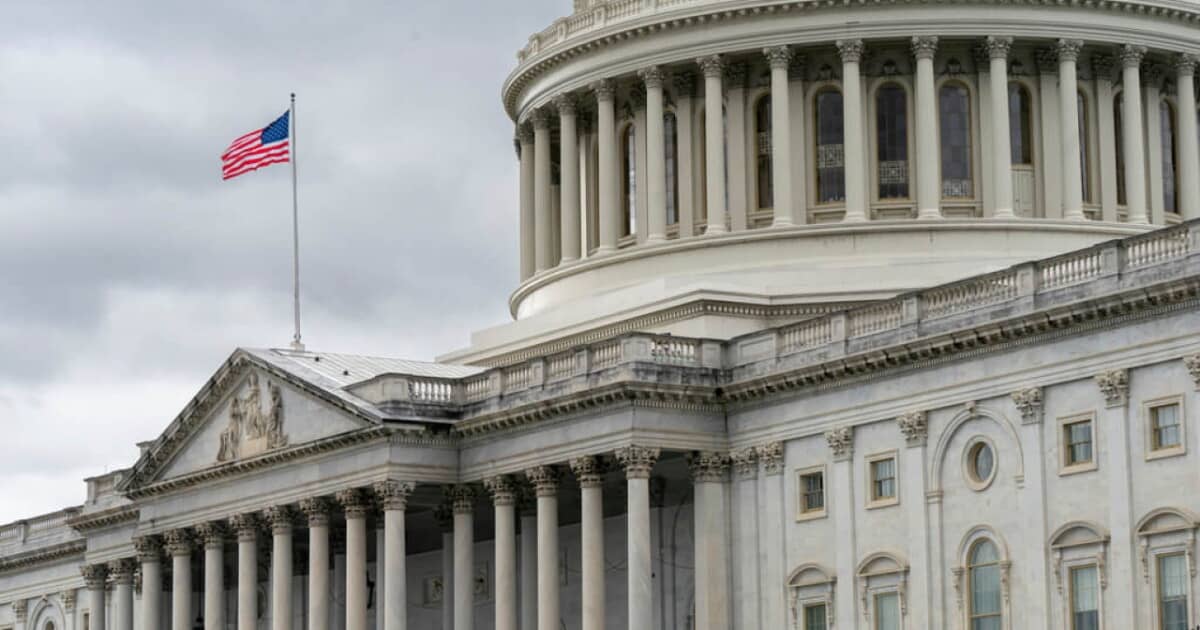
As congressional lawmakers prepare to return to Washington from their scheduled recess, they are confronting a dense and time-sensitive legislative calendar. The primary focus for the first days of their return is the urgent need to pass a short-term government funding bill. This measure is critical in its intent to prevent a federal government shutdown that would otherwise occur prior to the upcoming election cycle.
The timeline for this legislative action is tight, with lawmakers described as racing against the clock to secure the necessary votes and complete the legislative process before funding expires. The urgency stems from the proximity of the election, which adds political weight to the timing of the funding resolution. Officials and observers note that the schedule is packed, leaving little room for delay or extended debate on other matters during this initial period.
Details of the Short-Term Funding Measure
The short-term government funding bill serves as a temporary mechanism to keep federal agencies operational. Its passage is viewed as a necessary step to avoid the immediate disruption associated with a shutdown. The legislation does not address long-term budgetary issues but rather extends current spending levels for a limited period, allowing Congress more time to negotiate a full-year appropriations package later in the session.
According to reports from KGUN 9, the focus remains squarely on averting the shutdown before the election. This specific timing is significant because it places the legislative burden on lawmakers while they are simultaneously managing the demands of the electoral calendar. The short-term nature of the bill means that the issue of government funding will likely resurface in subsequent sessions, but the immediate goal is to ensure continuity of government services during this critical pre-election window.
Logistical Challenges and Scheduling
The return from recess marks a transition from individual district work back to the full legislative workload. Lawmakers must quickly reorient their efforts toward the federal budget process. The packed schedule implies that other potential legislative items may be deprioritized or delayed in favor of the funding measure. This prioritization reflects the immediate risk of a government shutdown, which would have operational consequences for federal employees and the public.
There is no indication in the current reports of opposition arguments or alternative proposals being advanced at this stage. The narrative provided by sources focuses on the procedural necessity of passing the bill to avoid the shutdown. The emphasis is on the logistical challenge of fitting this legislation into a tight timeframe rather than on substantive policy debates regarding the content of the funding.
Implications for the Pre-Election Period
The requirement to pass this funding bill before the election introduces a specific political dynamic to the congressional schedule. By addressing the shutdown risk now, lawmakers aim to prevent the issue from becoming a focal point of the electoral campaign itself. A government shutdown during an election period could shift voter attention and potentially influence public sentiment toward the governing party or Congress as a whole.
However, the reports do not speculate on how this might affect specific candidates or parties. They simply state the factual objective: to pass the bill to avert the shutdown. The short-term nature of the solution suggests that underlying budgetary disagreements remain unresolved and will require further legislative action in the future. For now, the immediate task is defined by the deadline imposed by the expiration of current funding authorities.
Verification of Timeline and Scope
The information regarding the packed schedule and the specific goal of passing a short-term funding bill is derived directly from coverage by KGUN 9. The source confirms that the race against time begins immediately upon the lawmakers' return. No other legislative priorities are detailed in the provided context, indicating that the government funding measure is the dominant issue for this session's start.
The scope of the article is limited to the procedural aspect of returning from recess and the associated funding challenge. It does not provide historical comparisons to previous shutdowns or analyze the economic impact of a potential lapse in funding. The focus remains on the immediate actions required by Congress as they resume their duties.