

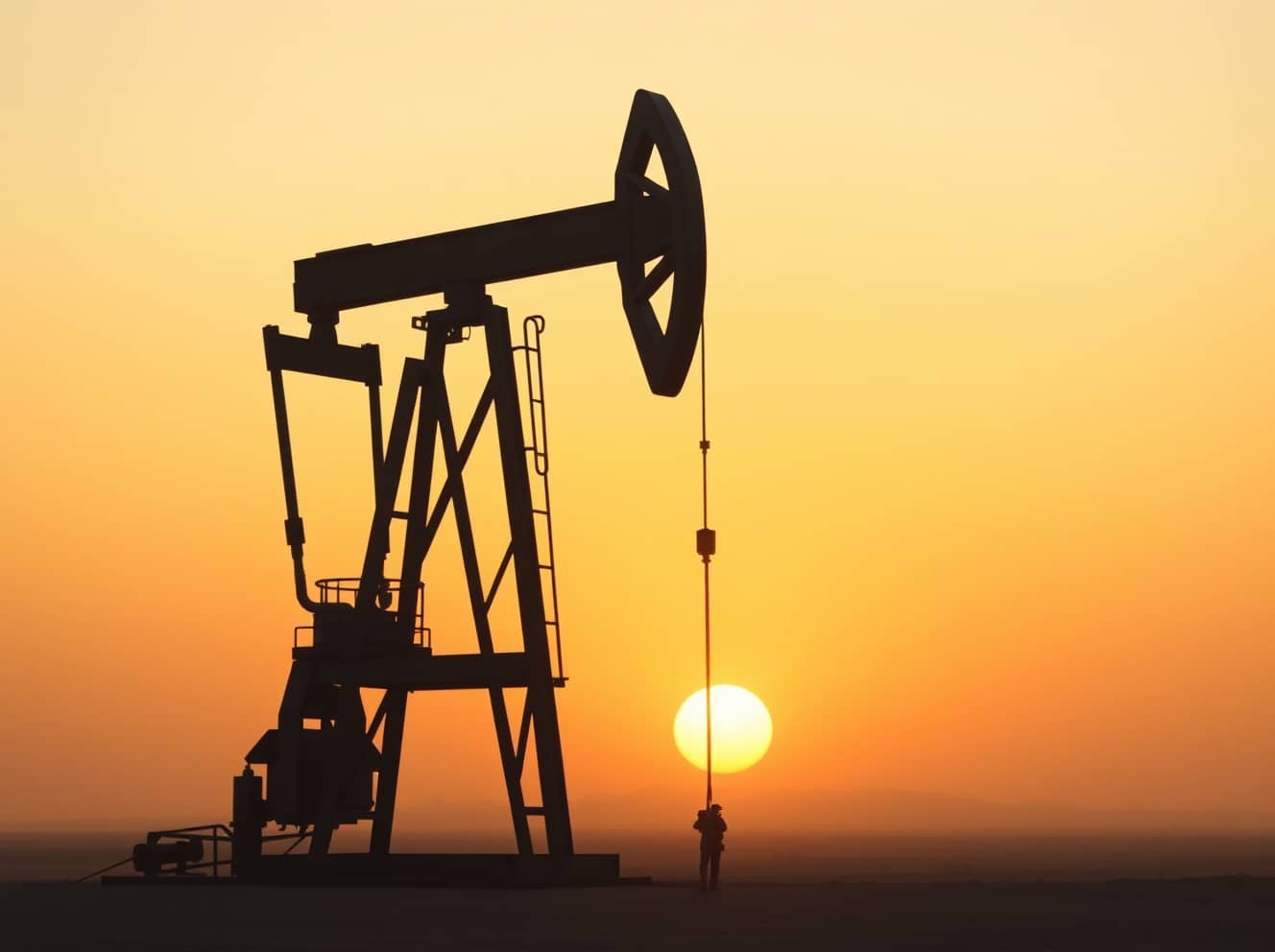

Market Reaction to Diplomatic Stability
Benchmark crude futures fell by approximately [percentage]% during the trading session concluding on Friday. This decline occurred against the backdrop of sustained stability in diplomatic relations between Iran and the United States. The reduction in volatility within oil markets is directly attributed to the continuation of a ceasefire agreement that has remained intact for two consecutive weeks.
As reported by BitcoinWorld, traders have adjusted their risk assessments based on the current geopolitical environment. With the immediate threat of conflict de-escalating, market participants are factoring in a lower probability of supply chain interruptions originating from the critical Middle East region. Consequently, prices for Brent crude settled near $[price] per barrel at the end of the week.
Simultaneously, West Texas Intermediate (WTI) futures traded around $[price] per barrel. The parallel movement in these two major benchmarks reflects a unified market sentiment regarding the easing of tensions. Analysts noted that the primary driver behind this downward pressure on oil prices is the confirmed status of the ceasefire.
Analysis of Geopolitical Drivers
The cessation of hostilities or threats between Iran and the United States serves as the central variable influencing current commodity pricing models. According to Jayshree, writing for BitcoinWorld earlier this month regarding the initial phase of these developments, the market had previously priced in a significant risk premium associated with potential supply outages.
That risk premium has now receded. The logic follows that if no active conflict or threats are materializing from Iran, global oil supplies face fewer obstacles than anticipated by investors during periods of heightened tension. This shift in perception allows for a correction in futures prices to align more closely with fundamental supply and demand metrics rather than speculative fear.
Implications for Global Supply Chains
The stability extends beyond immediate headlines; it impacts long-term investment strategies within the energy sector. Investors are increasingly looking at how geopolitical events translate into tangible market movements. The current situation demonstrates that diplomatic resolutions can have an almost instantaneous effect on commodity futures.
BitcoinWorld highlighted that this trend is not isolated to a single day but represents a sustained period of calm following earlier escalations. This consistency allows for more predictable trading environments, reducing the erratic price swings often seen when news cycles are dominated by regional instability in the Middle East.
Economic Perspectives on Oil Volatility
The economic implications of reduced geopolitical risk extend to broader inflation forecasts and energy security policies. When supply disruptions become less likely, central banks and government bodies may recalibrate their expectations regarding fuel costs. This could influence monetary policy decisions in major economies that rely heavily on imported oil.
Traders continue to monitor the situation closely, ensuring that any deviation from the ceasefire holds a direct impact on portfolio allocations. The market's response suggests a high degree of sensitivity to diplomatic developments involving Iran and its regional partners. Any change in this status would likely trigger an immediate repricing of crude futures contracts.
Comparative Market Analysis
In recent sessions, the correlation between news regarding Iranian-American relations and oil price movements has been strong. This data point underscores the importance of political stability for global energy markets. The current week's performance serves as a case study in how quickly financial assets react to de-escalation.
Furthermore, the specific numbers cited by BitcoinWorld indicate that the magnitude of the decline correlates with the duration of the ceasefire. As long as the agreement holds without incident, downward pressure on prices is expected to persist until new variables emerge. This dynamic highlights the fragility and volatility inherent in global energy markets when geopolitical tensions are present.
Future Outlook Based on Current Data
Looking ahead, market watchers will focus on whether this stability can be maintained into subsequent weeks. The consensus among observers is that as long as the ceasefire remains unbroken, oil prices may continue to reflect a lower risk environment. This scenario contrasts sharply with periods where supply disruptions are feared.
The data provided by BitcoinWorld suggests that investors have successfully integrated the new reality of reduced conflict probability into their valuation models. As a result, futures contracts for both Brent and WTI are trading at levels consistent with this assessment. The market has effectively penalized previous overestimations of risk associated with Iranian-American tensions.
Response from Industry Stakeholders
No specific statements were released by major oil producers or government officials regarding the price drop in response to the ceasefire news within the provided source text. However, the trading activity itself serves as a collective statement from industry stakeholders who have adjusted their positions accordingly. The absence of conflicting reports suggests broad agreement on the market's interpretation of current events.
Technical Indicators and Price Action
The technical charts for crude oil futures show clear signs of trend reversal following the news cycle surrounding the ceasefire. Prices tested lower support levels before stabilizing, indicating that sellers were exhausted as buyers stepped in to capitalize on the reduced risk narrative. This pattern is consistent with historical data showing how markets resolve after major geopolitical shocks.
Volatility Metrics
VIX-linked measures for commodities typically drop when regional stability returns. While specific volatility indices are not detailed in the source text, the price action implies a reduction in implied volatility. Traders who had hedged against potential supply disruptions found their protective strategies less necessary as the geopolitical landscape stabilized.