


The Unlikely Transition to the Ring
Curtis Woodhouse secured the English light-welterweight boxing title in 2012 after defeating Dave Ryan by points. The victory marked a notable achievement for the former professional footballer, who transitioned from the pitch to the ring years earlier. This championship win stands as the culmination of a second career that began under vastly different circumstances than his initial fame.
Woodhouse’s path to the championship was not immediate. He began his combat sports career in 2006 while still actively playing for Grimsby Town. At that time, he had no amateur boxing experience, according to reports regarding his early training period. Starting a new sport at a professional level without prior amateur background required a steep learning curve and significant physical adaptation.
The road to the title involved significant challenges. Woodhouse described enduring several early career defeats and reported being beaten up by opponents during sparring sessions before eventually securing the championship belt. These early struggles highlight the difficulty of his transition, as he had to overcome not only technical deficits but also the physical toll of entering a combat sport late in life.
Football Career at Sheffield United and Birmingham City
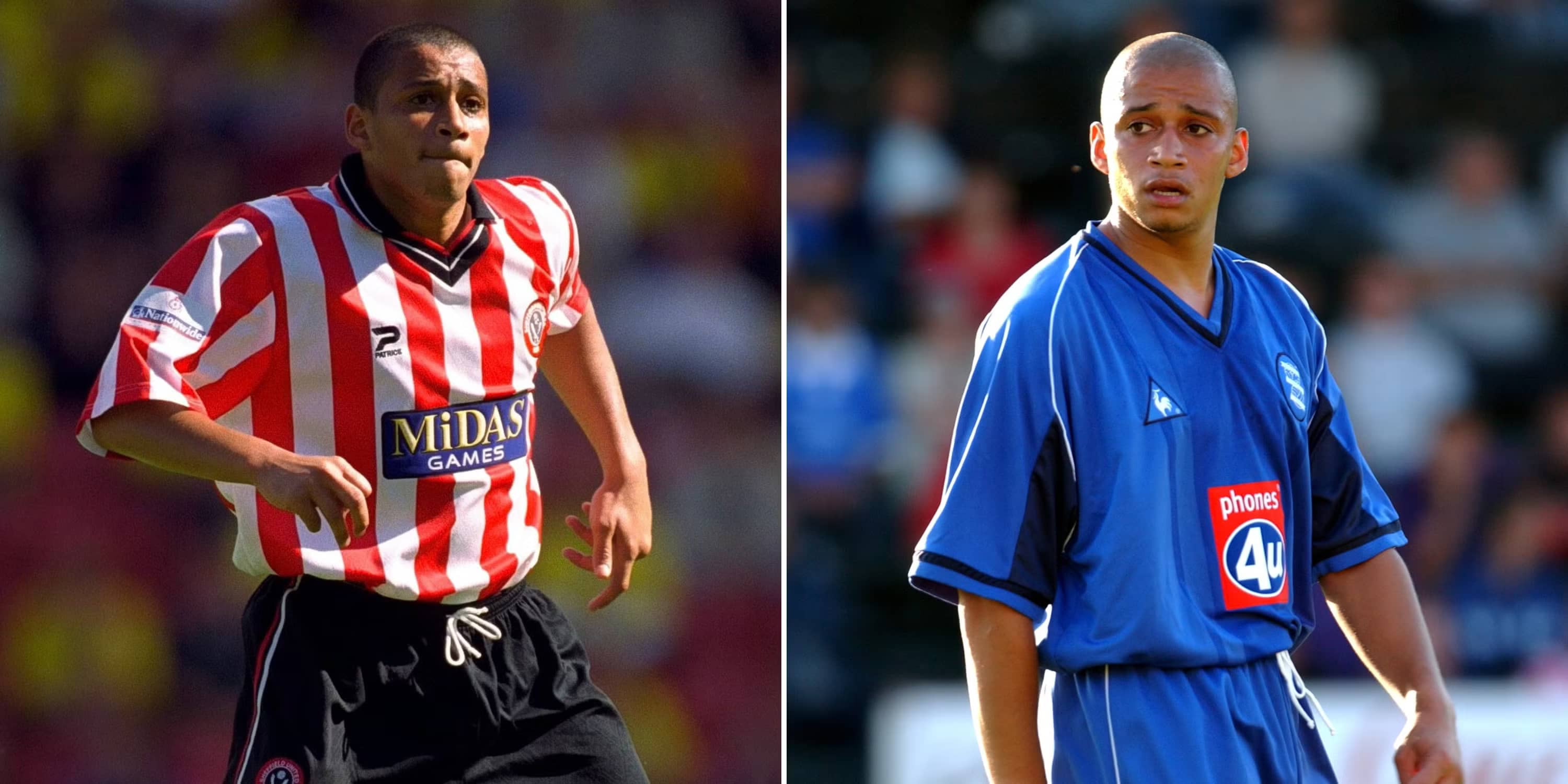
Before his success in boxing, Woodhouse established himself as a professional footballer. He made his first-team debut for Sheffield United at the age of 17 in November 1997. His rapid rise within the club saw him become the team's youngest captain at age 19. This early leadership role demonstrated his potential and work ethic, traits that would later serve him well in the boxing ring.
In February 2001, Sheffield United sold Woodhouse to Birmingham City. During his tenure with Birmingham, he contributed to the squad's performance in the regular season, including scoring a brace against Huddersfield Town. His time at St Andrew's was marked by consistent performances that helped solidify his reputation as a reliable midfielder.
Woodhouse was part of the Birmingham City team that defeated Norwich City on penalties in the 2002 play-offs. This victory represented a key moment in his football career before he eventually moved toward a second career in sports. The high-pressure environment of the play-offs provided a different kind of mental toughness, though it paled in comparison to the physical demands he would later face in boxing.
Building a Legacy Beyond Football
The contrast between Woodhouse's football achievements and his boxing success is stark. While his football career included notable moments such as captaining Sheffield United and winning the play-off final with Birmingham, his boxing title required him to start from scratch in terms of technical skill.
His decision to pursue boxing while still playing for Grimsby Town in 2006 was a bold move. Without any amateur background, he had to rely on natural athleticism and determination. The early defeats and harsh sparring sessions were part of the process, but they did not deter him from pursuing his goal.
Winning the English light-welterweight title in 2012 was a testament to his perseverance. By defeating Dave Ryan on points, he proved that his transition from football to boxing was not just a novelty act but a serious athletic endeavor. The victory added another layer to his sporting legacy, showcasing his ability to excel in two completely different disciplines.
Reflections on a Dual Career
Woodhouse's journey from the youngest captain of Sheffield United to a boxing champion is unique in sports history. His early start in football at age 17 gave him a foundation of discipline and competitive spirit that he carried into his second career.
The challenges he faced in boxing, including being beaten up during sparring and suffering early defeats, were significant hurdles. However, these experiences did not break his resolve. Instead, they fueled his determination to succeed in a new arena.
His success in both football and boxing highlights the versatility of athletes who are willing to take risks and embrace new challenges. Woodhouse's story serves as an inspiration for those looking to reinvent themselves professionally, proving that it is never too late to achieve greatness in a new field.