

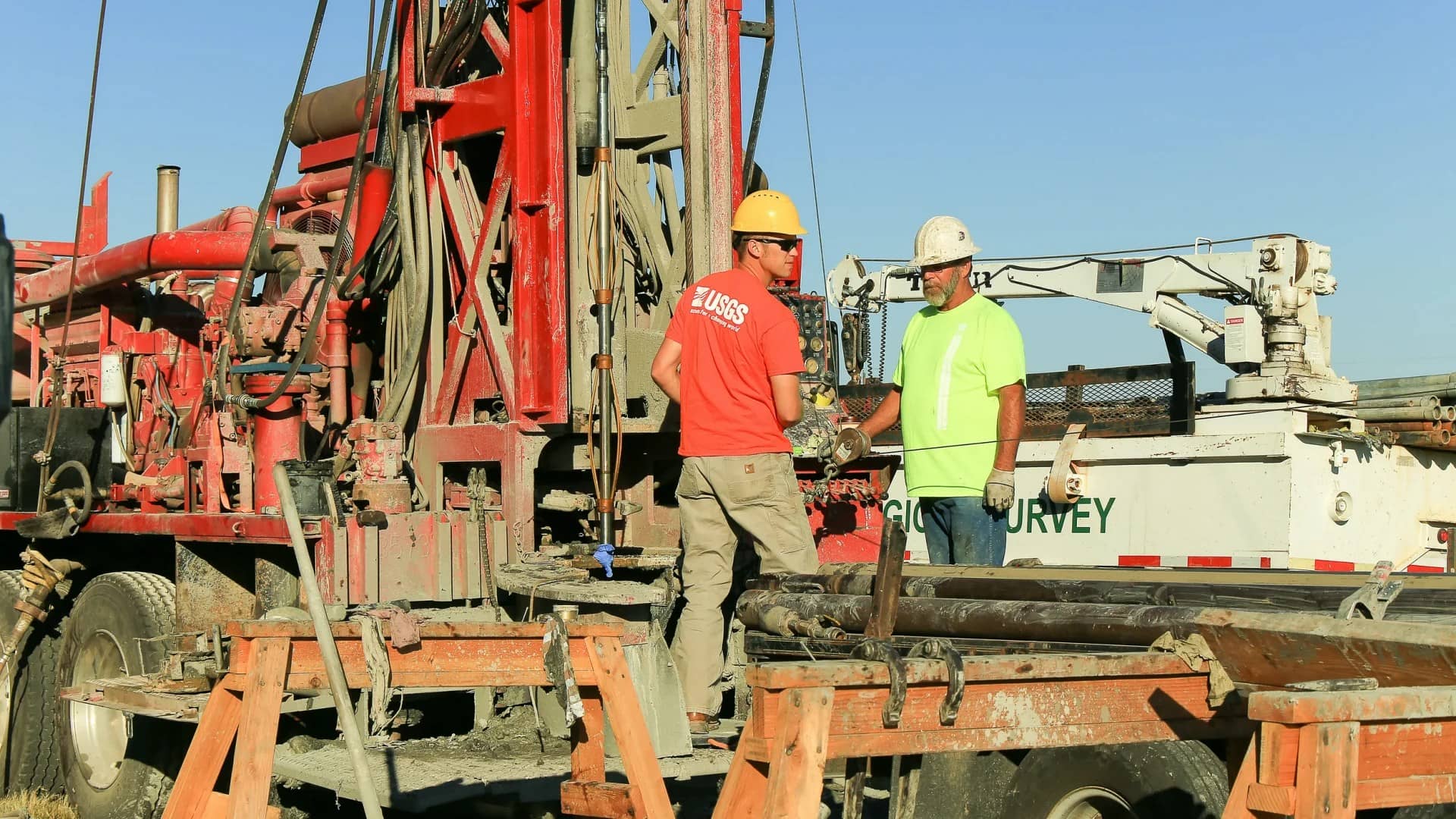

Business Activity Reaches Multi-Year Peak in Second Quarter
Companies operating within the nation’s most productive oil and gas region reported a significant surge in business activity during the second quarter of 2026, according to data released by the Dallas Federal Reserve Bank. The latest quarterly survey conducted by the central bank indicates that this increase in operational output has pushed regional energy sector performance to a four-year high.
The Dallas Fed’s business activity index, which tracks the health and momentum of the local economy through surveys of executives, reflects this accelerated pace of production and sales. The findings suggest that despite broader economic fluctuations, the core energy infrastructure in the Southwest continues to generate substantial commercial volume. Executives surveyed for the report noted that the intensity of their current operations exceeds levels seen since 2022.
This surge in activity is concentrated in the specific geographic footprint monitored by the Dallas Fed, which encompasses major producing states in Texas and surrounding areas. The data points to a period of heightened engagement among firms involved in extraction, processing, and related service industries. For the second quarter of 2026, the aggregate response from these companies indicates a robust expansion phase, marking a distinct departure from the stagnation or contraction periods observed in previous years.
Operational Costs and Regulatory Pressures Limit Optimism
While the volume of business activity has climbed to its highest level in four years, the sentiment among industry participants remains tempered by financial and legal pressures. The Dallas Federal Reserve Bank’s report highlights that companies are expressing notable caution regarding their future outlooks. This hesitation is directly linked to two primary factors identified in the survey: rising operational costs and increasing regulatory burdens.
Executives responding to the quarterly inquiry cited escalating expenses as a major constraint on their ability to sustain growth. These costs include inputs required for drilling, labor, equipment maintenance, and transportation. As prices for these essential services climb, profit margins face compression, forcing companies to weigh the profitability of new ventures against existing financial obligations.
Simultaneously, regulatory burdens were flagged as a significant deterrent to long-term expansion. The survey data indicates that firms perceive government regulations as a threat to their operational continuity and growth potential. These regulatory pressures may include compliance requirements, permitting delays, or policy shifts that increase the administrative and financial load on energy producers.
Threats to Long-Term Growth Trajectory
The intersection of high current activity and rising costs creates a complex environment for regional energy firms. According to the Dallas Fed, the combination of these factors threatens long-term growth. While immediate business activity is strong, the underlying financial headwinds suggest that sustained expansion may be difficult to achieve without changes in cost structures or regulatory frameworks.
The survey results do not indicate a decline in current production levels; rather, they point to a sector that is working harder and spending more to maintain its output. This dynamic raises questions about the sustainability of the current four-year high in activity if costs continue to outpace revenue growth. Companies are reportedly monitoring these trends closely, adjusting their capital allocation strategies to mitigate risks associated with both market volatility and regulatory uncertainty.
Regional Implications for Energy Output
The findings from the Dallas Federal Reserve Bank provide a snapshot of the energy industry’s current state in one of the country’s most critical production zones. The region’s ability to maintain high levels of business activity despite these challenges underscores its resilience and strategic importance to national energy supply.
However, the caution expressed by companies serves as a warning sign for policymakers and investors alike. The data suggests that while the sector is active, it is not immune to the pressures of inflation and regulation. The long-term health of the industry in this region may depend on how effectively firms can navigate these rising costs and regulatory hurdles while maintaining their competitive edge.
The Dallas Fed’s quarterly survey continues to be a key indicator for economic analysts tracking the energy sector. As the second quarter of 2026 progresses, further data will likely reveal whether the current surge in activity can be sustained or if it will give way to a more conservative approach driven by the financial pressures identified in this report.