


Defining the Economic Squeeze
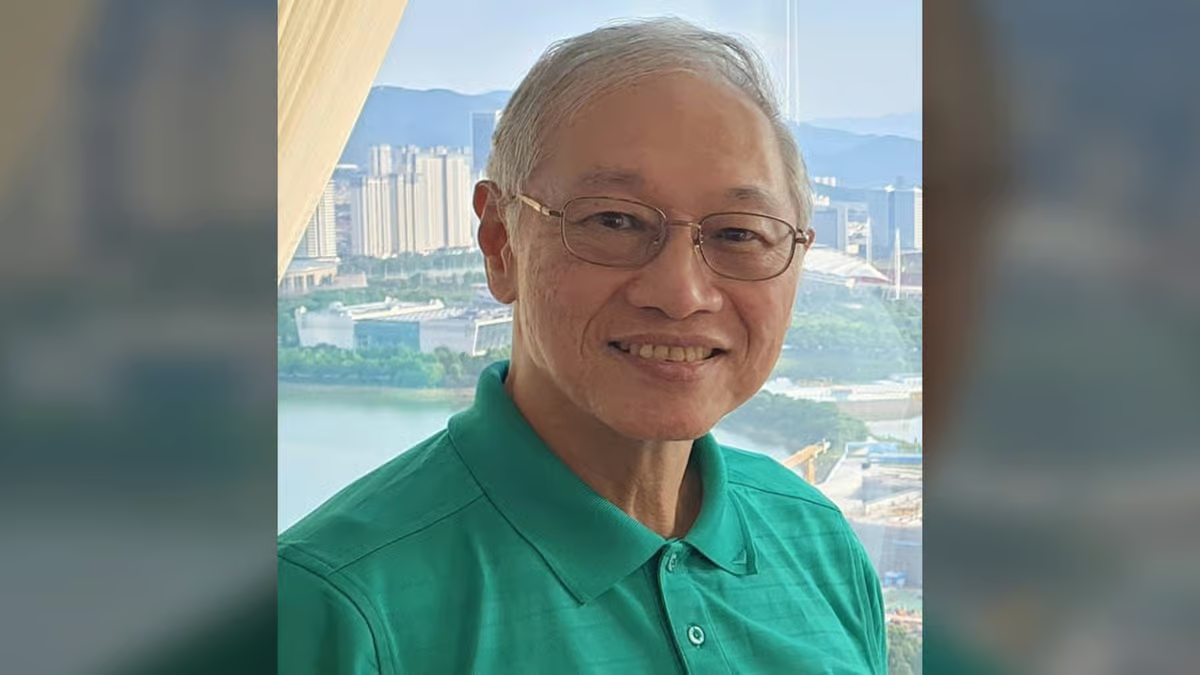
Davao-based businessman John Gaisano Jr. has called on the government to address structural weaknesses in food production, energy costs, and exports to combat "slowflation," a condition he described as a combination of rising prices and sluggish economic growth.
Gaisano defined slowflation as an economic squeeze marked by resurgent inflation, decelerating growth, and a weakening currency. His assessment echoed a recent pronouncement by Citigroup that the country was experiencing stagflation, also described as "slowflation," according to reports in the Philippine Daily Tribune.
He pointed to import dependence for fuel and food as a major source of inflationary pressure. Gaisano noted that the peso’s weakness against the US dollar raises costs for imported crude oil, medicines, manufacturing equipment, and fertilizer.
Rejecting Short-Term Fixes for Structural Investment
Gaisano argued that short-term interventions such as price controls and cash handouts would not address the underlying problems. Instead, he stressed the need for sustained investments in agricultural infrastructure.
"If you feel like your pay is shrinking every time you step into a grocery store or gas station, you aren’t imagining things," Gaisano remarked, highlighting the tangible impact of these economic pressures on households.
He blamed the country’s dependence on imported fuel and essential commodities, along with global oil price increases and weather-related disruptions, for driving up production and transportation costs. He cited geopolitical tensions, a weakening peso, elevated inflation, and slowing economic activity as mounting economic headwinds.
Urging Energy and Export Reforms
The businessman called for urgent measures to lower electricity costs, which he said undermine local manufacturing and deter foreign investors. He recommended fast-tracking power generation projects and sourcing fuel by lowest landed cost rather than geopolitics.
Gaisano also urged the government to expand foreign exchange sources beyond overseas Filipino worker (OFW) remittances and the business process outsourcing (BPO) industry. He advocated for scaling up high-value exports such as electronics, processed agricultural products, and digital services.
He stated that OFW remittances and the BPO sector are insufficient to offset a massive trade deficit. According to Gaisano, stronger export earnings would support the peso.
Fiscal Discipline and Monetary Warnings
Gaisano called for disciplined government spending, asserting that public borrowing should prioritize infrastructure and human capital development in education and healthcare rather than overhead and political patronage.
He warned that elevated borrowing costs, driven by the Bangko Sentral ng Pilipinas to contain inflation and support the currency, could dampen household spending and discourage business expansion or hiring. This caution underscores the delicate balance required between monetary policy and economic growth.