


District of Columbia Resolves Lawsuit Over Protest Arrest
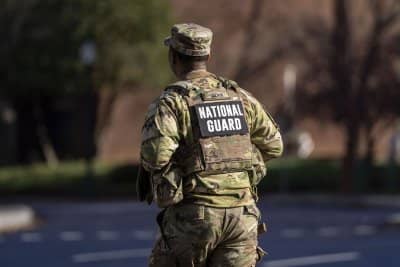
The District of Columbia and the American Civil Liberties Union (ACLU) announced on Friday that they have settled a lawsuit concerning the arrest of Sam O'Hara. The legal dispute originated from an incident in September 2025, when O'Hara was detained by law enforcement officials while protesting the presence of National Guard troops in Washington, D.C.
According to reports, O'Hara was arrested for repeatedly playing the "Imperial March," the theme music associated with Darth Vader from the Star Wars franchise, behind members of the Guard who were conducting patrols in the District. The settlement involves an undisclosed amount of money paid to O'Hara in exchange for his agreement to drop the lawsuit against the District of Columbia.
Negotiations Conclude Months-Long Dispute
The ACLU filed the finalized settlement documents on behalf of O'Hara on Friday, formally concluding a significant legal chapter. This filing marks the end of a months-long negotiation process that involved legal representatives from the Washington, D.C., government and its Metropolitan Police Department. The terms of the financial compensation provided to O'Hara were not made public, a common practice in such agreements where parties often seek to avoid disclosing specific figures.
The resolution with the District addresses the municipality's liability in connection with O'Hara's arrest. By agreeing to the settlement, the District avoids further prolonged litigation and the potential for a court ruling that could establish precedent regarding protest rights in the nation's capital.
The "Imperial March" Protest and Free Speech Implications
The incident that triggered the legal battle occurred in September 2025, during a period when National Guard troops were deployed to Washington, D.C. O'Hara's protest involved playing the iconic "Imperial March" behind these patrols, a musical selection widely recognized for its association with oppressive authority figures in popular culture. This act was interpreted by O'Hara and the ACLU as a form of symbolic criticism directed at the presence and actions of the government-deployed forces.
The deployment of the National Guard in the District often draws heightened scrutiny from civil liberties advocates, given Washington, D.C.'s unique status as the nation's capital and a frequent site for public demonstrations. O'Hara's arrest quickly drew attention from civil liberties groups, who viewed the detention as a potential overreach of authority and an infringement on protected speech.
ACLU Emphasizes Constitutional Protections
Following the announcement of the settlement, representatives for the ACLU emphasized the constitutional principles at stake in the case. Scott Michelman, the legal director for the ACLU's Washington, D.C., chapter, provided a statement to The New York Times regarding the implications of the arrest and the subsequent resolution. Michelman articulated the organization's firm stance on the importance of dissent.
"Our right to free speech grants us the freedom to criticize the government," Michelman stated. This assertion underscores the ACLU's position that O'Hara's actions were a legitimate exercise of his First Amendment rights, constituting protected speech rather than unlawful conduct warranting detention. The organization consistently advocates for the right of individuals to express their views, even if those views are critical of official government actions or personnel.
Separate Litigation Continues Against National Guard Sergeant
While the lawsuit against the District of Columbia has been resolved, other legal actions stemming from the same September 2025 incident remain active. A separate lawsuit filed against the Ohio National Guard sergeant who arrested O'Hara is still in litigation. That sergeant was directly responsible for cuffing and detaining O'Hara during the encounter.
Distinguishing Municipal and Individual Liability
Reports indicate that the case against the individual officer has proceeded independently of the settlement reached with the District government. This distinction highlights the separate legal liabilities involved in the incident: one pertaining to the actions of the municipal entity (the District) and the other concerning the specific conduct of an individual officer. The ongoing litigation against the Ohio National Guard sergeant suggests that questions regarding the individual officer's actions and potential personal liability remain under judicial review.
The continued legal proceedings against the sergeant mean that the full legal implications of O'Hara's arrest have not been entirely concluded. The outcome of this separate lawsuit could further clarify the boundaries of permissible conduct for law enforcement officers during protests, particularly when dealing with expressive acts of dissent.