

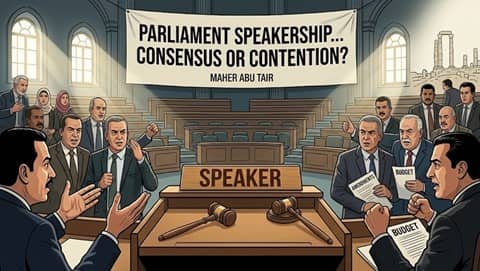

Annual Parliamentary Ritual: Speaker Selection Looms
The selection of the Speaker for the House of Representatives has once again become a central point of discussion within political circles. This annual exercise, a customary feature of the parliamentary calendar, sees deliberations intensify in anticipation of the upcoming ordinary session. The core of these discussions revolves around a fundamental question: will the process to choose the next presiding officer foster broad consensus among lawmakers, or will it instead ignite significant contention and division?
Each year, this period of speculation underscores the critical importance of the Speaker's role in the legislative body. The debate is not merely a procedural formality but a significant political event that sets the stage for the year ahead. The recurring nature of this discourse highlights the ongoing power dynamics and the continuous negotiation among various political entities that characterize parliamentary governance.
The Speaker's Pivotal Role in Governance
A primary question driving this annual discourse is the status of the current officeholder. Media reports and political analysts are actively engaged in assessing whether the incumbent Speaker will retain their position for another term or if they will be replaced by a new candidate. This uncertainty is a key factor fueling the circulation of various names in the public sphere, with potential contenders being discussed as possibilities for the high-profile and influential role.
The Speaker is far more than a ceremonial figure; they are a pivotal leader responsible for guiding the House's proceedings, maintaining order, and ensuring the smooth conduct of legislative business. Their decisions on procedural matters, the scheduling of debates, and the assignment of committee roles can profoundly influence the legislative agenda and the overall effectiveness of the parliament. Consequently, the selection process is viewed as a critical step that can either promote unity and efficiency or exacerbate existing political fault lines.
Political Factions Vie for Influence
In line with historical patterns, the names of potential candidates for the Speakership are reportedly circulating widely in the media. These reports indicate that multiple figures are under consideration by various factions within the political landscape. The dissemination of these names suggests a competitive environment where different groups are actively positioning their preferred choices for the leadership role, reflecting their strategic objectives for the upcoming legislative term.
Candidate Names Emerge Amidst Uncertainty
The public airing of potential candidates' names serves multiple purposes. It allows different political entities to gauge support, test the waters for their preferred nominees, and potentially build alliances. This dynamic interplay highlights the intricate negotiations and behind-the-scenes maneuvering that precede the formal selection. The presence of multiple named individuals in news reports underscores the complexity of the upcoming selection process and the diverse interests at stake among the House members.
The uncertainty surrounding the incumbent's future, coupled with the emergence of new contenders, creates a fertile ground for political speculation. This period is often characterized by intense lobbying, strategic leaks to the press, and a concerted effort by various groups to consolidate support for their chosen candidate, all aimed at securing a favorable outcome in the highly anticipated vote.
The Stakes: Unity or Deep Divisions?
The central theme of the current debate revolves around the potential outcome of the selection process itself. Observers are closely examining whether the prevailing political climate will allow for a unified decision, reflecting a broad consensus across the House, or if it will expose deep divisions among members. The possibility of contention remains a significant point of discussion, reflecting the broader challenges of achieving agreement in parliamentary affairs, especially on such a crucial leadership position.
A consensus choice for Speaker could signal a period of greater cooperation and stability, potentially allowing the House to tackle its legislative agenda with fewer internal obstacles. Conversely, a contentious selection, marked by a narrow victory or significant opposition, could foreshadow a more fractious and challenging ordinary session, impacting the parliament's ability to function cohesively and effectively.
Shaping the Legislative Agenda
The outcome of this debate will have immediate and far-reaching implications for the functioning of the House of Representatives during the upcoming ordinary session. The selection of the Speaker is a critical procedural step that profoundly influences the tone for legislative activities, the efficiency of parliamentary processes, and the fairness of committee assignments. The individual chosen for this role wields considerable power in shaping the legislative priorities and the overall direction of the House.
Whether the selection process ultimately yields broad consensus or exposes deep contention among members may significantly influence the efficiency and collaborative spirit of the parliament in its forthcoming term. A Speaker elected with strong, cross-party support might find it easier to steer legislative initiatives and mediate disputes, fostering a more productive environment. Conversely, a Speaker who emerges from a divisive contest might face challenges in commanding universal respect and cooperation, potentially leading to procedural stalemates and prolonged political battles.
As the date of the ordinary session draws nearer, the intensity of the speculation is expected to increase further. The eventual resolution of who will serve as Speaker will mark the beginning of a new chapter for the House, a chapter that will be defined either by cooperative agreement and shared purpose or by continued political maneuvering and pronounced divisions among its members.