

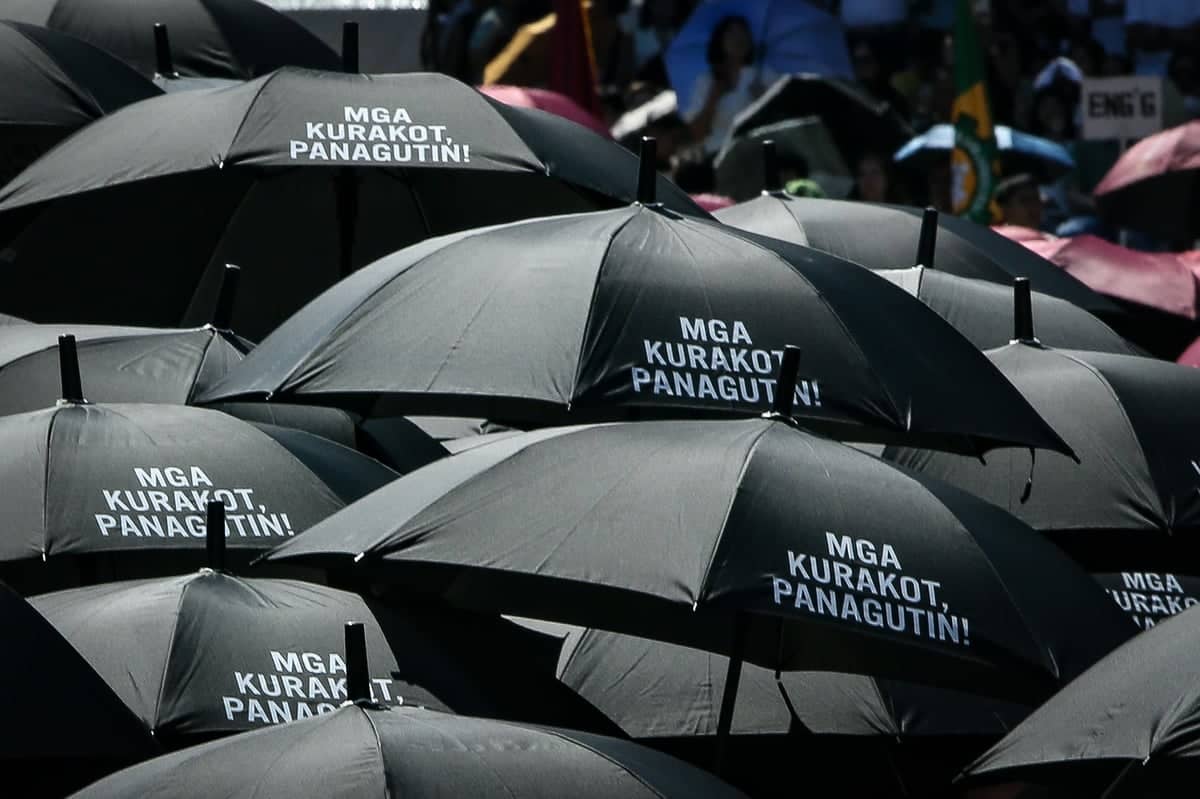

President Ferdinand Marcos Jr. is unable to fully disassociate himself from the ongoing "Floodgate" controversy, according to former Finance Secretary Benjamin Diokno. The remarks were made during an appearance on a program titled "Thought Leaders with Cathy Yang," which aired on One News.
The discussion centered on the allocation of funds for flood control projects and the specific actions available to the executive branch regarding these appropriations. According to Diokno, President Marcos Jr. held the constitutional authority necessary to veto or remove questionable flood control appropriations from the budget proposal.
Constitutional Authority and Legislative Choices
In his assessment of the situation, former Finance Secretary Diokno argued that the controversy stems not merely from a lack of oversight but from an active choice made by the administration. He stated that while the President had the power to strike out specific items deemed questionable within the flood control appropriations, this authority was ultimately left unused.
"Marcos sh," as reported in transcripts and summaries of the broadcast, implies a position where the executive branch did not intervene despite having the legal mechanism to do so. The former official emphasized that possessing constitutional power does not grant immunity from scrutiny if that power is exercised selectively or not at all when faced with allegations.
The "Floodgate" controversy involves multibillion-peso allocations designated for flood control measures across various regions in the Philippines. Critics and observers have pointed to these large sums as potential areas of fiscal mismanagement or lack of transparency, though specific details on how funds were spent remain part of the broader debate surrounding government spending priorities.
Diokno's comments suggest that the burden of responsibility lies with those who hold the power of approval. By not utilizing the veto authority available to him under the constitution regarding these specific appropriations, President Marcos Jr., in Diokno’s view, remains linked to the controversy regardless of any attempts to distance himself from it later.
Implications for Executive Accountability
The former Finance Secretary's position highlights a principle often discussed in constitutional governance: that authority carries with it an obligation. If an executive branch official has the legal right to reject questionable spending but chooses not to, they may be held accountable for those decisions later.
This perspective contrasts with arguments sometimes made by current administration supporters who suggest that budget allocations are matters of legislative priority or technical necessity rather than political discretion alone. However, Diokno’s remarks specifically focus on the President's capacity to act independently through veto power before funds were released.
The program "Thought Leaders with Cathy Yang" provided a platform for these discussions, allowing former officials like Diokno to offer their analysis based on past experiences in high-level government roles. His tenure as Finance Secretary gave him direct insight into the processes of budget formulation and approval that led to the current situation.
Diokno did not provide specific names or dates regarding which appropriations were questioned, other than referring generally to "questionable flood control appropriations." He focused instead on the constitutional mechanism itself—the ability to veto—as the critical factor in determining responsibility for the controversy.
Ongoing Debate and Media Coverage
The Daily Tribune published an article titled "Marcos can’t wash hands off ‘Floodgate’ — Diokno" on Monday, July 6, 2026. The piece cited the remarks made by former Finance Secretary Benjamin Diokno during his appearance on One News earlier that week.
The article noted that President Marcos Jr.’s inability to distance himself from the controversy is tied directly to his constitutional authority and subsequent inaction regarding specific budget items. The publication framed this as a commentary piece rather than breaking news, reflecting ongoing analysis of government fiscal policies.
No opposing statements were recorded or attributed within the provided source context for this particular story. While other political figures may hold differing views on how flood control funding should be managed, no alternative perspectives from current administration representatives or legislative leaders were included in the available materials at the time of publication.
The controversy continues to attract attention among media outlets and former government officials who monitor fiscal accountability. The use of constitutional tools like veto power remains a subject of interest when discussing checks and balances within the Philippine political system.