

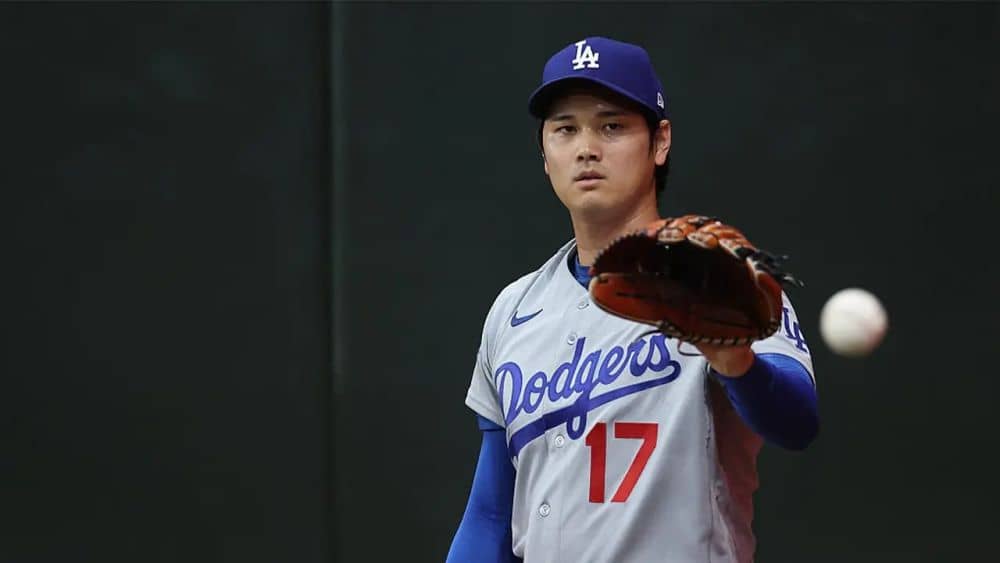

Dodgers' Roster Building and Funding Scrutiny
The recent, aggressive expansion of the Los Angeles Dodgers' roster, culminating in a "superteam" widely discussed across Major League Baseball, has drawn considerable attention to the financial mechanisms behind these moves. Prominent sports commentator Colin Cowherd has specifically addressed assertions linking the franchise's significant acquisitions to personal financial arrangements involving team owner Mark Walter. Cowherd's reports indicate that there is no evidence suggesting that the landmark signing of Shohei Ohtani, nor the subsequent construction of a formidable roster, was funded through loans provided by Walter.
This clarification comes amidst a broader discourse within the baseball community, sparked in part by comments from Dodgers shortstop Manny Machado. Machado publicly challenged the narrative that the Dodgers are "ruining baseball" through their spending. Cowherd’s response to these sentiments aimed to provide a detailed timeline and context for the team's acquisitions, while crucially emphasizing that the financial structure supporting these high-profile signings did not rely on personal loans from the ownership group.
The "Evil Empire" Label Emerges
Over the last few years, the Los Angeles Dodgers have increasingly been characterized by critics and rival fans as baseball's "evil empire." This moniker, often associated with teams perceived to wield overwhelming financial power to dominate the sport, became particularly prevalent following the Dodgers' series of high-profile acquisitions. The perception of the team's seemingly endless capacity to attract and sign top-tier talent has fueled this narrative, positioning the Dodgers as a dominant, almost monopolistic, force in the league. This characterization is directly attributed to the scale and frequency of their roster additions, a pattern that conspicuously began with the signing of Shohei Ohtani in late 2023.
A Rapid Succession of Star Acquisitions
The period of significant roster expansion for the Los Angeles Dodgers commenced with the highly anticipated signing of two-way superstar Shohei Ohtani in late 2023. This foundational move set the stage for an unprecedented flurry of activity that would reshape the team's competitive outlook for years to come.
The Initial Wave: Ohtani and Offseason Reinforcements
During that same pivotal offseason, extending into early 2024, the Dodgers' front office continued its aggressive strategy. They secured additional elite talent, including star pitchers Yoshinobu Yamamoto and Tyler Glasnow, alongside accomplished outfielder Teoscar Hernandez. These additions immediately signaled the organization's intent to build a championship-caliber roster around its new centerpiece, Ohtani, and dramatically elevated expectations for the upcoming season.
The strategic investments quickly paid dividends. The Dodgers achieved their first major objective, winning the 2024 World Series against the storied New York Yankees. This championship victory, however, did not lead to a reduction in spending or a period of roster stagnation. Instead, the organization demonstrated a sustained commitment to excellence by continuing to acquire talent in the subsequent period, further solidifying their "superteam" status.
Post-Championship Spending and Continued Dominance
Following their 2024 World Series triumph, the Dodgers' front office maintained its proactive approach to roster construction. The team signed free agent pitchers Tanner Scott and Blake Snell, reinforcing an already strong pitching staff. A significant coup came with the decision of highly coveted international prospect Roki Sasaki, who chose to sign with Los Angeles despite interest from numerous other prominent teams. The Dodgers also prioritized continuity and experience by bringing back key players, re-signing shortstop Tommy Edman and outfielder Teoscar Hernandez, both of whom had previously contributed to the team's success.
These strategic moves, combining new talent acquisition with the retention of established players, proved instrumental. After completing these further transactions, the Los Angeles Dodgers once again ascended to the pinnacle of Major League Baseball, winning the World Series for a second consecutive time. This back-to-back championship underscored the effectiveness of their aggressive, sustained spending strategy.
Further High-Profile Additions Fuel Fan Outcry
The pattern of high-profile acquisitions showed no signs of abating, extending into the 2025-2026 offseason. During this period, the Dodgers further bolstered their lineup and bullpen by adding star outfielder Kyle Tucker and dominant closer Edwin Díaz. These latest moves, building upon an already formidable roster, intensified the reactions from the wider baseball community. Reports indicate that fans, particularly those active on the social media platform X, expressed significant frustration with the team's relentless spending habits and the perceived competitive advantage it created.
Debating Competitive Equity in Major League Baseball
A central point of contention throughout this period of Dodgers dominance has been the financial mechanism behind the team's extraordinary spending. Assertions circulated widely, suggesting that owner Mark Walter personally provided loans to facilitate the signings of top-tier talent, including Shohei Ohtani and the subsequent influx of stars. These claims implied an almost unlimited financial spigot, raising questions about the fairness of competition across the league.
Refuting Owner Loan Claims
Colin Cowherd directly addressed and refuted these specific financial claims. He stated unequivocally that the signing of Shohei Ohtani and the comprehensive building of the Dodgers' "superteam" were not funded by Mark Walter's personal loans. This clarification is crucial, as it distinguishes between a team's operational budget and revenue streams—which can be substantial for a large-market franchise—and direct financial intervention from an owner in the form of debt. The team's ability to sign a roster featuring players such as Yoshinobu Yamamoto, Teoscar Hernandez, Tyler Glasnow, Tanner Scott, Blake Snell, Roki Sasaki, Tommy Edman, Kyle Tucker, and Edwin Díaz did not, according to Cowherd, depend on personal debt from the owner.
Ongoing Scrutiny Over Roster Construction
The debate over competitive balance in Major League Baseball continues to intensify as the Dodgers maintain and even enhance their roster strength. The team's unprecedented back-to-back World Series titles, achieved through a consistent series of high-cost signings and re-signings, have drawn significant scrutiny from fans, rival teams, and sports commentators alike. While the source of funding has been clarified as not involving owner loans, the sheer volume of spending still fuels discussions about the accessibility of top talent for other franchises.