


Geopolitical Flashpoint in Critical Shipping Lane
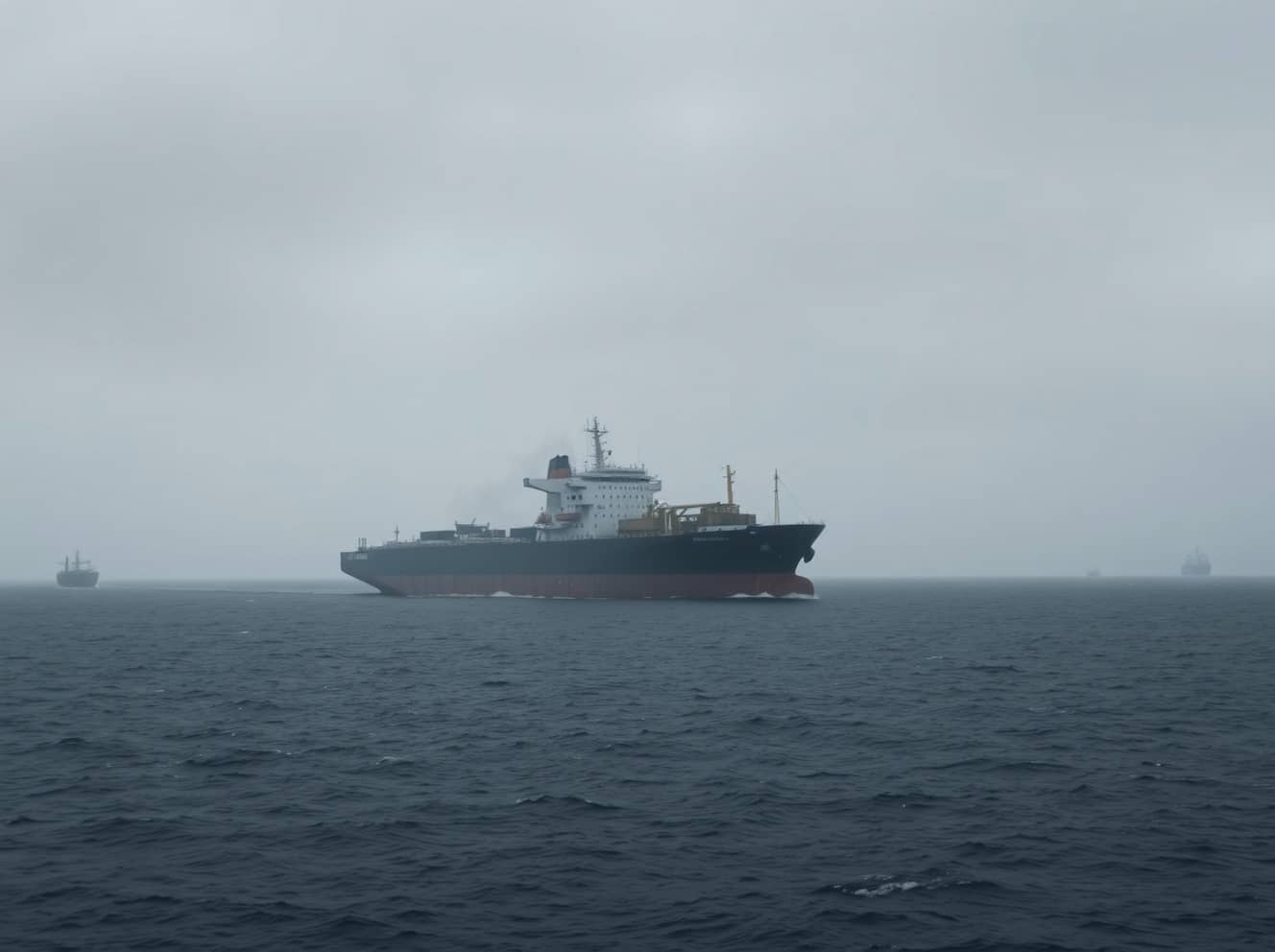
The global financial markets are reacting to a developing geopolitical situation in the Middle East that has triggered increased demand for safe-haven assets. Reports emerged early Tuesday regarding an explosion near a cargo ship transiting the Strait of Hormuz, a vital chokepoint for global oil supplies. The incident has raised concerns about the potential disruption of energy shipping lanes and has contributed to broader risk aversion among investors.
According to reports from BitcoinWorld, the details surrounding the attack remain unconfirmed at this time. However, the event has revived memories of previous maritime attacks in the region. Those earlier incidents historically led to temporary spikes in crude oil prices and shifts in currency valuations as traders adjusted their portfolios to mitigate risk.
The Strait of Hormuz serves as a critical artery for global energy trade. Any threat to the security of commercial vessels in this narrow waterway is closely monitored by financial analysts and commodity traders due to its strategic importance. The current uncertainty has prompted markets to price in potential supply chain disruptions, leading to a cautious approach across various asset classes.
Currency Markets React to Safe-Haven Demand
As a direct result of the geopolitical flashpoint, the US dollar strengthened against major currencies. The greenback benefited from a fresh wave of safe-haven demand as investors sought stability amid the uncertainty. This flight to quality is a standard market response when geopolitical tensions threaten global economic stability.
The British pound (GBP) showed signs of hesitation against the US dollar, causing the GBP/USD exchange rate to struggle. The pair faced downward pressure as traders moved away from riskier assets and toward the US dollar. This movement reflects the broader trend in currency markets, where the pound is vulnerable to external shocks that increase global risk aversion.
Currency markets are reacting cautiously to the potential disruption of oil shipping lanes. The interplay between geopolitical events and foreign exchange valuations highlights the sensitivity of the British pound to global stability metrics. When tensions rise in key energy-producing regions, the dollar typically gains ground as a reserve currency, while other major currencies may weaken depending on their respective economic fundamentals and risk profiles.
Market Implications and Investor Sentiment
The situation has heightened broader risk aversion across financial markets. Investors are closely watching for further developments in the Strait of Hormuz to assess the potential impact on oil prices and global trade. The threat to shipping lanes is a significant factor that can influence commodity markets and, by extension, currency valuations.
While specific details of the attack remain unconfirmed, the mere report of such an incident is sufficient to move markets. Traders are positioning themselves to handle potential volatility in energy prices, which could have cascading effects on inflation expectations and central bank policies in oil-importing nations. The current market behavior underscores the interconnectedness of geopolitical events and financial stability.
The US dollar's strength in this environment demonstrates its role as a primary safe-haven asset. Conversely, the weakness of the pound against the dollar illustrates the challenges faced by other major currencies when global risk sentiment deteriorates. Market participants are advised to remain vigilant as the situation evolves.