


ECI Clarifies SIR Process Amidst Public Concerns
The Election Commission of India (ECI) has moved to address growing public anxiety surrounding the Special Intensive Revision (SIR) of electoral rolls, a nationwide initiative aimed at updating voter lists. In a significant development, the Commission held a high-level meeting attended by Chief Election Commissioner Gyanesh Kumar alongside Election Commissioners Sukhbir Singh Sandhu and Vivek Joshi. The gathering was convened specifically to discuss the controversy that has erupted regarding the revision process and its implementation mechanisms.
During this session, the top electoral officials sought to demystify the procedures involved in the SIR, particularly focusing on the communication sent to voters. A primary point of contention had been the receipt of system-generated notices by citizens, which many interpreted as a precursor to their immediate removal from the voter list. The Commission has now issued a clear clarification: receiving such a notice does not automatically mean that a voter’s name will be deleted from the rolls.
Unanimous Decision-Making on IT Systems
Addressing rumors and speculation about internal disagreements within the Commission, the ECI stated that differences of opinion are natural in any multi-member democratic institution. However, it emphasized that final decisions related to the nationwide electoral roll revision and its associated information technology system were taken unanimously by all three commissioners. This clarification aims to dispel narratives suggesting a fractured leadership or conflicting directives regarding the SIR's technical framework.
The Commission further noted that any administrative correspondence should not be misinterpreted as policy shifts. Specifically, it pointed out that a letter sent by two Election Commissioners to the Cabinet Secretary concerned an administrative matter related to an officer’s deputation. This communication was distinct from and did not pertain to any decision regarding the SIR's policy or IT system.
Door-to-Door Collection Replaces Personal Appearances
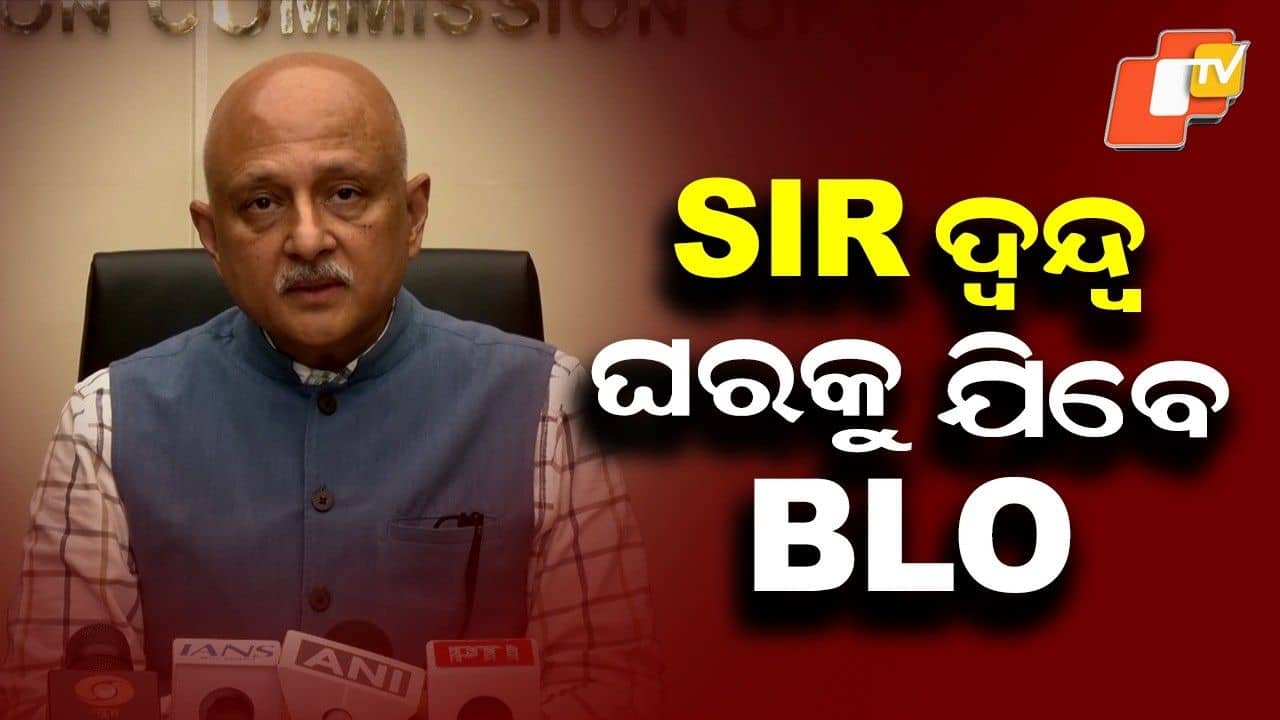
In a move designed to reduce the burden on citizens, the ECI outlined that notice recipients generally will not have to appear personally before the Electoral Registration Officer. Instead, Booth Level Officers (BLOs) will visit the homes of voters to collect the necessary documents. This shift from a centralized, office-based verification process to a decentralized, home-visit model is intended to streamline the revision process and minimize inconvenience for eligible voters.
The Commission specified that online hearings will be held only in exceptional cases. This indicates a preference for physical document collection through BLOs as the standard procedure, reserving digital interfaces for specific, complex scenarios where in-person verification is not feasible or necessary.
Special Arrangements for Vulnerable Groups
Recognizing the challenges faced by marginalized sections of society, the ECI announced that special arrangements and help desks will be provided for workers, poor people, and those staying in night shelters. These provisions are aimed at ensuring that the SIR process does not inadvertently disenfranchise individuals who may lack easy access to traditional civic infrastructure or face logistical barriers due to their economic status or living conditions.
The emphasis on door-to-door collection by BLOs aligns with these special arrangements, as it brings the verification process directly to the doorstep of voters, including those in vulnerable situations. This approach seeks to balance the rigor of electoral roll updates with the accessibility required for a inclusive democratic process.
Addressing the Controversy
The controversy surrounding the SIR has been fueled by widespread misinformation and fear among voters who received system-generated notices. By clarifying that notice receipt is not synonymous with deletion, the ECI aims to calm these fears and encourage cooperation with the revision process. The unanimous backing of the three commissioners for the current IT system and policy decisions further strengthens the Commission's position against claims of arbitrary or flawed decision-making.
The distinction between administrative matters, such as officer deputation, and core policy decisions regarding the SIR is crucial in understanding the scope of the Commission's actions. The letter to the Cabinet Secretary was an internal administrative update, not a signal of policy change or systemic failure. This clarification helps isolate the controversy to procedural misunderstandings rather than fundamental flaws in the revision strategy.
As the SIR continues across the country, the ECI’s focus remains on ensuring accuracy and inclusivity. The deployment of BLOs for home visits and the establishment of help desks for vulnerable groups are key components of this strategy. By reducing the need for personal appearances and providing targeted support, the Commission hopes to facilitate a smooth and comprehensive update of electoral rolls, thereby upholding the integrity of the democratic process.
The ongoing dialogue between the ECI and the public is essential in navigating the complexities of large-scale electoral revisions. The Commission’s efforts to provide clear, factual information through official channels like OTV reports are part of this broader communication strategy. By addressing specific concerns about notice validity, decision-making unity, and procedural accessibility, the ECI seeks to restore confidence in the SIR process.
The role of Booth Level Officers has thus become central to the success of the SIR. Their direct engagement with voters not only facilitates document collection but also serves as a point of contact for resolving queries and alleviating anxieties. This grassroots-level interaction is critical in ensuring that the electoral rolls reflect the true composition of the electorate, free from errors or omissions.
As the revision process progresses, the ECI’s commitment to transparency and accessibility will be tested by the scale and diversity of India’s voter base. The measures announced, including the unanimous policy decisions, door-to-door verification, and special provisions for vulnerable groups, represent a comprehensive approach to managing this complex task. The Commission’s detailed explanations aim to preempt further controversy and ensure that the SIR achieves its intended goal of an accurate and inclusive electoral roll.