


Tribal Initiative Targets Illicit Gold Trade
The Association of Arab Tribes has proposed a plan to end informal gold mining in southern Egypt and peacefully resolve a standoff between the Egyptian army and prospectors. The initiative, which aims to reshape security along Egypt’s southern frontier, is designed to cut off financial support for warring parties in neighboring Sudan.
Under the proposal, a new company established by the military-affiliated Future of Egypt Authority for Sustainable Development would hire thousands of informal miners and prospectors, bringing them into the formal sector. The Association of Arab Tribes, an umbrella organization comprising 30 tribes with ties to the Egyptian security apparatus, is currently mediating to secure the release of thousands of artisanal gold miners detained during a recent crackdown by the Egyptian army.
The association helped fight against a branch of Islamic State in Sinai between 2013 and 2022. The initiative is reportedly supported by Egyptian President Abdel Fattah al-Sisi and could help defuse tensions between Egypt’s southern tribes and the Egyptian army, as well as between Egypt and northern Sudan’s tribes.
Despite the high-level support, it remains unclear whether the new state-backed company can absorb thousands of informal miners or offer salaries competitive with illicit prospecting returns. The initiative to regulate mining near the border with Sudan is more about politics than economics, serving as part of Egypt’s evolving strategy for dealing with the crisis in Sudan.
Gold Mining Fuels Sudanese Conflict
The push to regulate mining near the border with Sudan addresses a critical source of funding for the civil war that erupted in April 2023. Illicit mining accounts for 85-90% of Sudan’s declared gold production, helping to fund both the paramilitary Rapid Support Forces (RSF) and the Sudanese Armed Forces (SAF).
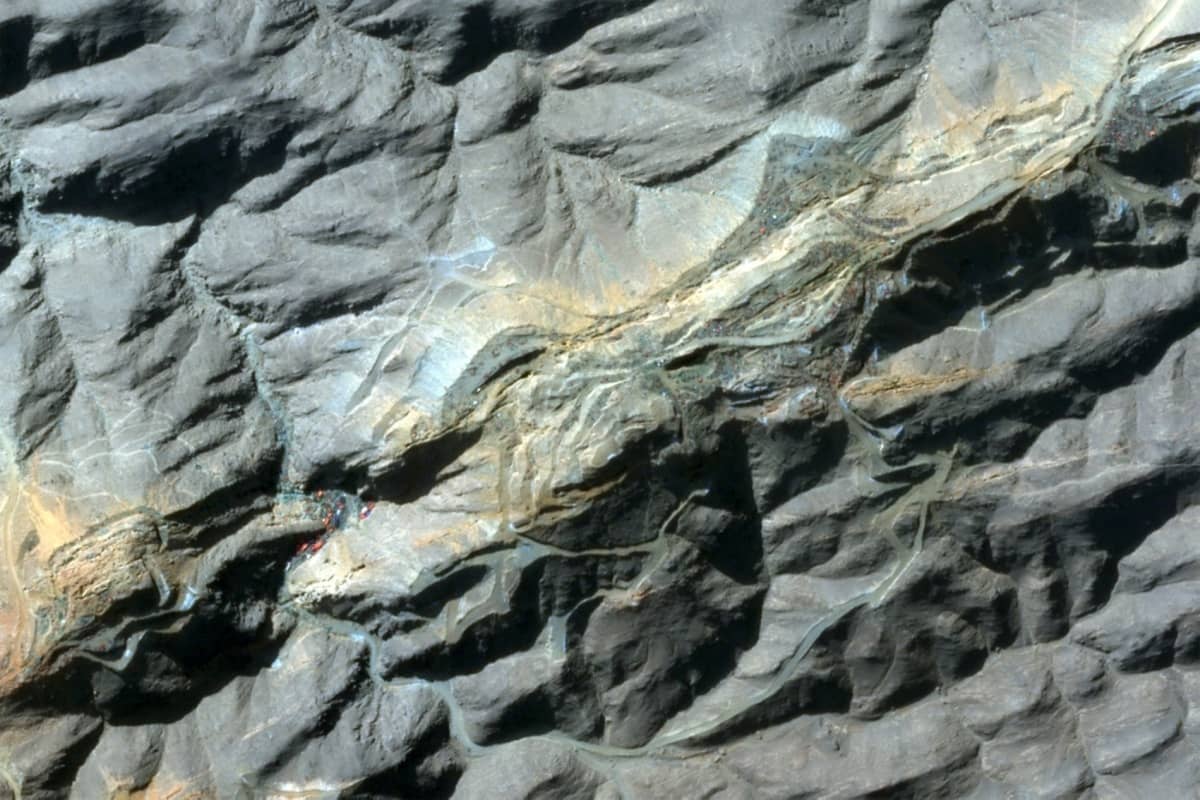
Mining activities across northern Sudan have seeped into southern Egypt. The rugged mountain ranges and dry riverbeds of the Egyptian Eastern Desert now contribute to the financing of the war, creating a direct link between local resource extraction and regional instability.
Strategic Implications for Cairo
Egypt’s broader aim is for the war in Sudan to end, and it has pushed for an inclusive political solution. This diplomatic effort includes a recent meeting in Abu Dhabi between the Egyptian and Emirati foreign ministers and US envoy Massad Boulos. At this meeting, Boulos and Egypt’s foreign minister agreed on the need for a political resolution to the Sudanese civil war.
Cairo has also convened Sudanese political factions to build consensus on a path forward. State collapse in Sudan threatens Egypt’s national security as the two countries share a 1,270km border, and disintegration would destabilize Egypt and open the door to new dangers. Hundreds of thousands of Sudanese refugees have sought safety in Egyptian cities since 2023, adding to the burden on Egypt’s economy.
Cairo backs state institutions, so a collapse of the SAF in Sudan would compound setbacks suffered in recent years. The diplomatic pressure is evident in high-level engagements, such as when Egyptian President Abdel Fattah al-Sisi shook hands with Sudan's army chief General Abdel Fattah al-Burhan in Cairo on 18 December 2025.